
Lattice Degeneration is a thinning of the Retina that happens over time

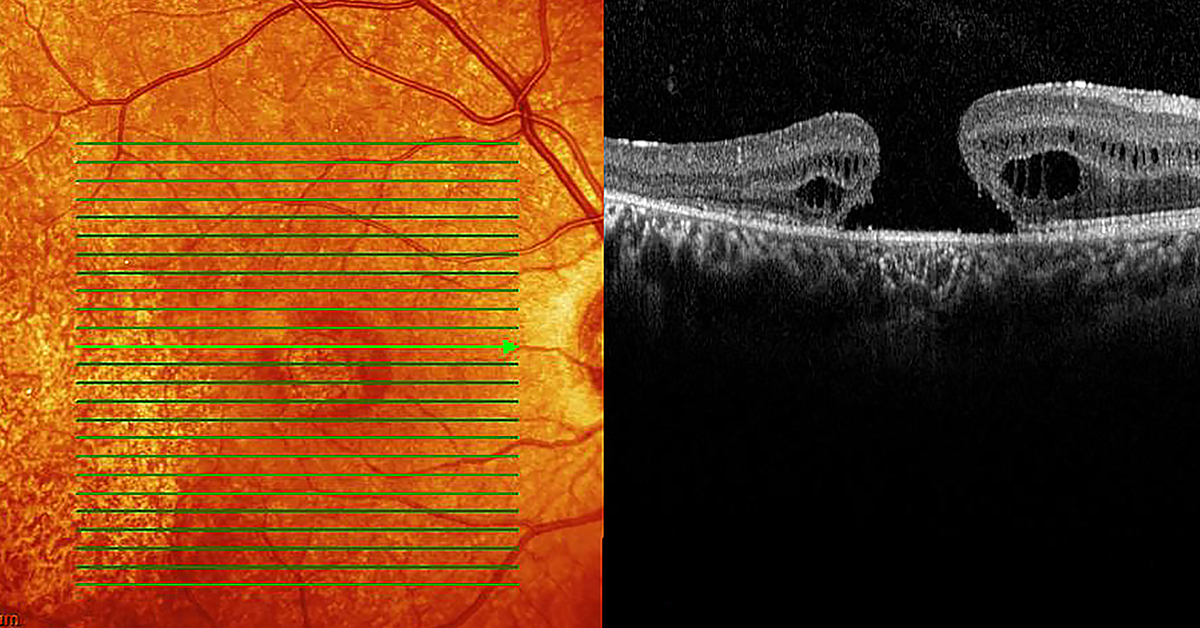
Lattice Degeneration is a thinning of the Retina that happens over time. Although 10% of the population has Lattice Degeneration, most will not have any symptoms or loss of vision as a result. Rarely, Lattice Degeneration may lead to Retinal Detachment. While doctors aren’t certain about what causes Lattice Degeneration, it’s most common in people with myopia, or nearsightedness, and in people with diseases like Stickler or Marfan syndrome. Although it is not genetically passed down from parents, those with a family history are more likely to also contract it. Lattice Degeneration doesn’t typically have symptoms, but because the Retina is thinner it is more subject to holes, tears, and breaking, which can in turn lead to Retinal Detachment, which can cause blindness if not treated immediately. Learn more about Lattice Degeneration at https://bit.ly/3gE9BM6


Is there a link between gut health and your eyes?

Is there a link between gut health and your eyes? Join this free online event Wednesday, May 26th at 1:00PM MDT to learn about the links between the gut microbiome and ocular disease.
Sponsored by The American Academy of Ophthalmology’s Truhlsen-Marmor Museum of the Eye,® this presentation will explore the complexity of the gut microbiome and new therapeutic models exploring how it may play a role in treating eye disease. An estimated 1,000 species of bacteria alone live in the human digestive system, but only a few of these microbes are understood. It’s as if, in a vast orchestra, only a handful of instruments can be heard.
Learn more about this free online event and register at https://bit.ly/2RBNGLh

As the weather warms up, questions may arise about whether exercise is safe for those with Retinal conditions

As the weather warms up and people are spending more time out of doors, questions may arise about whether exercise is safe for those with Retinal conditions. While most exercise is safe when the strength of the Retina is uncertain, sports that involve the potential for blows to the head or whiplash, like kickboxing or contact martial arts, should be avoided. When resuming physical activity after Retinal surgery, one should not engage in strenuous exercise, and swimming should be restricted for 2 weeks. Swimming is also restricted immediately after certain injections to treat Age-related Macular Degeneration (AMD). For those who have undergone Retinal surgery with a gas bubble, flying, high altitudes, and scuba diving are off limits. In general, exercise is encouraged in those with Retinal disease. It benefits overall health, and may even improve eye health, as it helps lower important health indicators like high blood pressure and high cholesterol. Learn more about safe exercise tips for those with retinal conditions at https://bit.ly/3nj4d29

Have you ever wondered how Retinal scanning works?

You’ve probably seen movies where access to a secure area required an eye scan. Have you ever wondered how Retinal scanning works?
A Retinal scan maps the pattern of the blood vessels within a person’s Retina. Each person’s network of Retinal blood vessels is unique and remains stable throughout life. The pattern is so complex that even identical twins don’t have the same blood vessel configuration. The Retina contains as much or more individual data as a fingerprint, but because it is an internal organ, it’s less susceptible to modification. After someone has had their unique blood vessel pattern scanned and stored in a database, future scans can determine whether a person is an exact match. Retinal scans are already in use in the Pentagon and organizations where people need to be identified before they can enter an area. Some states require that truck and bus drivers be mapped by Retinography to prevent bad drivers from holding licenses. Learn more at http://bit.ly/35CVdLr , and share with others who might find Retinal scanning interesting.

What are people most looking forward to after a year of sacrifice?

Human and artificial intelligence applied to people’s online social media posts identified what people are most looking forward to after a year of sacrifice. While one might think that seeing friends and family would be the most anticipated activity people are looking forward to, it’s not at the top of the list. What people are most looking forward to is pampering. Whether going to the salon or spa, and getting back to regular mani-pedis, beauty therapy tops the list of the activities people are most exited to get back to. Eating out, or “dinner and a movie” were next on the list, followed by a night out at the bar or club. Then travel, and concerts and sporting events. Seeing loved ones, friends, and family rounded out the list, just ahead of going back to work. See the entire list of most anticipated activities at https://bit.ly/32JTswg

After a year of disruption to daily routines, people are beginning to resume some of their normal activities

After a year of disruption to daily routines, people are beginning to resume some of their normal activities. While there were some unexpected perks of being at home, like always being steps from the kitchen or being able to take an afternoon nap if needed, those returning to the office or school may benefit from some healthy lifestyle changes. Some tips that may help the transition include choosing energizing to-go meals and snacks that balance lean protein, high fiber carbs, and healthy fats; reestablishing a decent bedtime routine, and getting outside to enjoy walking, hiking, swimming, and other outdoor activities. Learn more tips for making healthy transitions to your routine at https://bit.ly/3xlp2OV

AMDCentral.org is a newly launched website for the AMD patient and caregiver community

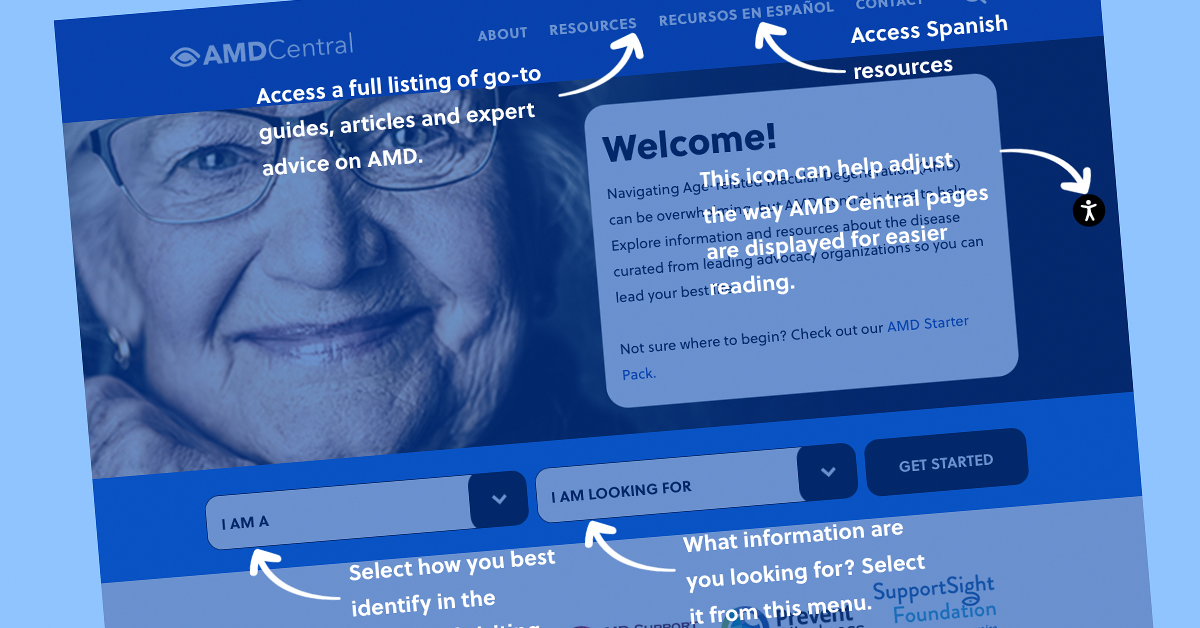
AMDCentral.org is a newly launched website that assembles trusted information, tools, and resources to support the Age-related Macular Degeneration (AMD) patient and caregiver community. AMD is the leading cause of blindness in people over 65, and impacts over 20 million people worldwide. For many suffering AMD, managing life as they lose their sight can be overwhelming, and only made worse by trying to navigate the plethora of AMD content available online. Realizing there was an opportunity to improve this experience, patient advocacy groups created AMDCentral.org as the pre-eminent resource to help patients and caregivers more easily find AMD support in one place, and to help empower patients to take ownership of their eye condition as a catalyst to improve the way they handle their changing lives. Featuring a wide range of materials including clinical details and practical advice for living with low vision, the site also takes accessibility in mind, allowing users to alter display settings on both desktop and mobile, and resources are available both as print and audio files. Learn more at AMDCentral.org, and share with friends and loved ones who suffer from AMD.

Did you know that arthritis can affect the eyes?

Those who suffer from arthritis are familiar with the swelling and associated pain in joints like the wrists, hands, and feet. But did you know that arthritis can also affect the eyes? Rheumatoid arthritis damages collagen, the connective tissue covering the ends of joint bones, which is also the primary substance that makes up the eye’s sclera and cornea. Most people who suffer from arthritis also suffer from dry eye, and it can also lead to other vision problems like uveitis, when the uvea – the layer of tissue between the Retina and the sclera, including the iris – becomes inflamed. Symptoms of uveitis include eye pain, light sensitivity and blurry vision. Whether or not you have arthritis, finding and treating eye problems early can help prevent vision loss. Learn more about arthritis and your eyes at http://bit.ly/2Z3F67c, and be sure to see your Retinologist at High Country Macula regularly to protect your sight.

Potential for harm to vision as people spend more time on screens

As more parents have switched to working from home, and their children spend time in virtual classrooms, concerns have arisen about the potential for harm to normal vision. Both kids and adults can experience tired, dry eyes from concentrating on laptops and tablets for extended periods of time. But this doesn’t mean you need a prescription for computer glasses, or that blue light is damaging your eyes. It means that you need to take more frequent breaks. The simple fact behind headaches, blurred vision, and tired eyes is that we don’t blink as often while using computers and digital devices, leaving eyes dry and irritated. And focusing at the same distance causes muscles around the eye to tire, which can cause headaches. To fix the problem, remember the 20 Rule, and take at least a 20 second break every 20 minutes. Other important factors are ergonomics and posture, and remembering to make sure to spend some time outdoors. Find more information about how to protect one’s vision while spending more time on digital screens at https://bit.ly/2QR0nRG