

A gene therapy being used to cure a form of blindness may hold the key to a speedy coronavirus vaccine

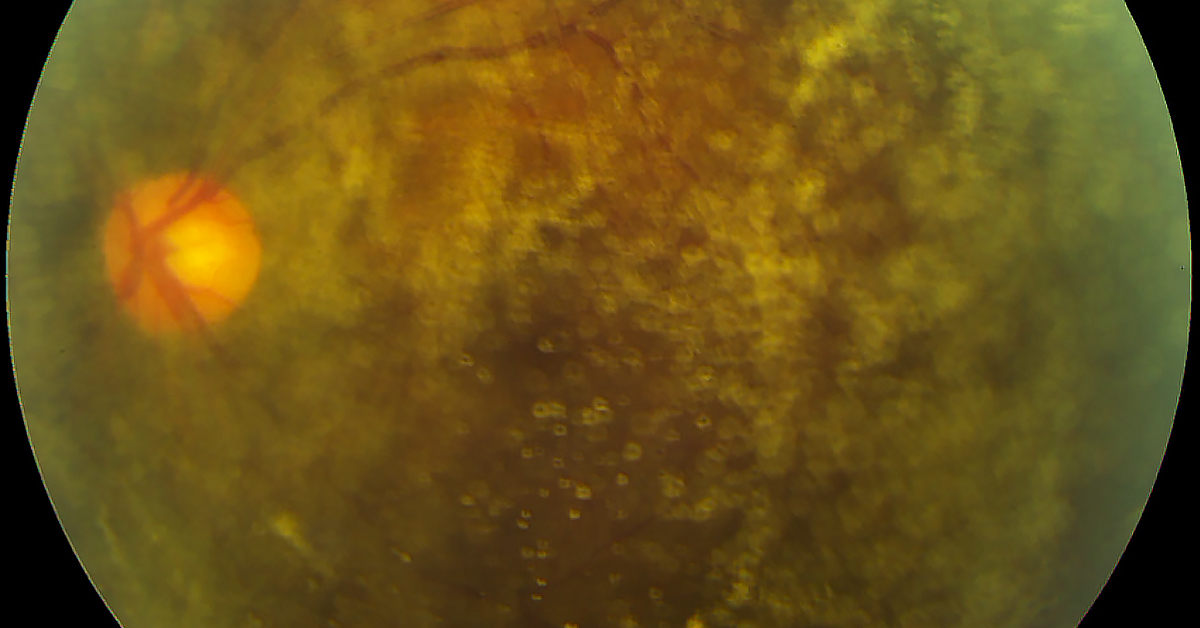
A gene therapy being used to cure a form of blindness may hold the key to a speedy coronavirus vaccine. The AAVCOVID vaccine has been tested for more than two decades, and is approved by the FDA to treat Luxturna, a form of inherited blindness, and spinal muscular dystrophy. AAVCOVID transforms a fragment of genetic code from the coronavirus (SARS-CoV-2) into the harmless AAV virus. But this time, instead of delivering gene therapy, it delivers instruction to the body to make the “spike” protein that could teach the immune system to recognize and fight off future infections of COVID-19. If studies continue to go well, AAVCOVID vaccine may begin testing in clinical trials this Summer. If regulatory approval is granted, vaccine production could be scaled up quickly to meet global demand, because multiple companies already make the AAVCOVID vaccine. Learn more at https://bit.ly/2Ac8nEi


Spending more time in front of your computer? You may be at risk for Computer Vision Syndrome

Whether you’re working from home or spending more time in front of your computer during “stay at home”, you may be at increased risk for the headaches, red and burning eyes, and stiff neck that are characteristic of Computer Vision Syndrome, or CVS. Learn how to create an ideal computer workstation that reduces your risk of stress, computer eye strain, and potential injury from prolonged computer use at https://bit.ly/2xU8aVy , and be sure to share with friends who may be working from home.

What’s the best way to wear a facemask without fogging your glasses?

What’s the best way to wear a facemask without fogging your glasses? Fogging occurs when warm breath escapes from the top of your mask and lands on the cooler surface of your lenses. Although by no means the biggest inconvenience of the coronavirus pandemic, it can be a nuisance nonetheless. To best prevent fogging, first make sure that your mask fits your face as tightly as possible. Pinch the top to make sure it fits the shape of your nose, and tighten the sides of your mask if it allows. You can also wash your glasses with soap and warm water often, which will keep water droplets from fogging.
Another way to clear things up is to use a tissue to absorb the fog from your breath. Just fold a tissue lengthwise 5 or 6 times to create a strip about a one inch high. Line the tissue strip up with the top of the inside of your mask, then anchor your mask with your chin and pull the mask with tissue in place up beneath your eyes. Adjust the straps over your ears, then put on your glasses to try it out. Please let us know which tips work best for you, and share with your friends who wear glasses. Learn more tips to prevent eyewear from fogging at https://bit.ly/2AcmM3m

Were you cooped up with the kids too long during quarantine?

Were you cooped up with the kids too long during quarantine? It’s time to send them outside to promote healthy eye development! Recent studies show that spending time outdoors may lower the risk of nearsightedness, which is more common today among children and adolescents than it was in the 1970s. One study in particular showed that for each additional hour children spent outdoors per week, their risk of being nearsighted dropped by about two percent. Learn more at: http://bit.ly/2HGAtpw

Hydroxychloroquine as a coronavirus treatment may be bad for your eyes

Hydroxychloroquine may have been prominently featured in the news lately, but as a coronavirus treatment it may be bad for your eyes. Although President Trump said that he is taking the drug as a preventative to ward off the virus, hydroxychloroquine and its sibling chloroquine have the potential to damage the Retina. Although the American Academy of Ophthalmology says that hydroxychloroquine doesn’t cause blindness, 1% to 2% of patients who take the drug to treat autoimmune conditions such as lupus experience Retinal problems during a 5-year course of treatment. Please consult with your Retinologist at High Country Macula before considering taking hydroxychloroquine.

We’re saddened by the illness, death, and tragic financial circumstances the Covid crisis has wrought upon us all

We’re saddened by the illness, death, and tragic financial circumstances the Covid crisis has wrought upon us all, but if there’s a silver lining it’s that we’ve all been forced to slow down and focus on the simpler things in life. Spending time with family, taking walks, sharing in housework, seeing more of our children than we have in years, cooking meals at home. We wouldn’t wish this upon anyone, yet we are trying to appreciate the circumstances for what they are, and we hope some of the simple tasks and lessons with which we’re becoming reacquainted will have a lasting impact upon all of us.

Did you know that half of all eye injuries happen at home?

Did you know that half of all eye injuries happen at home? While you may be “safer at home” during the coronavirus pandemic, you should take extra precaution when using chemical cleaning products or when doing yard work or home improvement projects, the activities most responsible for home eye injuries. By simply wearing protective eyewear, you can reduce the risk of eye injury by 90%. Learn more about preventing eye injuries at home at https://bit.ly/3aAf7Zl , and be sure to share with friends who are active at home.

Our employees have worked diligently throughout the crisis

Our employees have worked diligently throughout the crisis, even as seeing patients during these uncertain times has posed a certain amount of risk to themselves and their families. And while we’re certain that in some cases they might have been better off financially by taking unemployment, we’re proud that we have not furloughed or had to lay-off any employees throughout the crisis, and we’ve even given a Covid bonus to all High Country Macula staff to try to ease their financial burden, and to reward them for their extraordinary dedication.

Experiencing redness in your eyes?

Experiencing redness in your eyes? Although pink eye, or conjunctivitis, may be a rare symptom of coronavirus, it is also Spring allergy season, when many people are suffering from allergic conjunctivitis due to a reaction to pollen. While red eyes and eyelids are a symptom of Covid- 19, only 1-3% of coronavirus patients get viral conjunctivitis. The key difference between the viral and allergic forms of conjunctivitis is that viral conjunctivitis is rarely accompanied by the itching common in the allergic strain. Learn more about how to get relief from eye allergies at https://bit.ly/3cOSh1p, and share with anyone you know who experiences Spring allergies.

Does the appearance of new floaters qualify as an emergency during the coronavirus pandemic?

Does the appearance of new floaters qualify as an emergency during the coronavirus pandemic? Yes.
While most floaters are harmless and not a threat to your vision, new floaters may be a sign of a serious problem such as a Retinal Tear or a Retinal Detachment. If you experience floaters that are darker than normal, there are significantly more of them, or if you see flashing lights and notice a loss of peripheral vision, these symptoms may be signs of a more serious problems requiring evaluation. If this is the case, contact your Retinologist at High Country Macula immediately. We can discuss your symptoms to determine if an emergency exam is necessary. We remain committed to performing the essential care to help you preserve your sight.