

American Diabetes Association Alert Day®

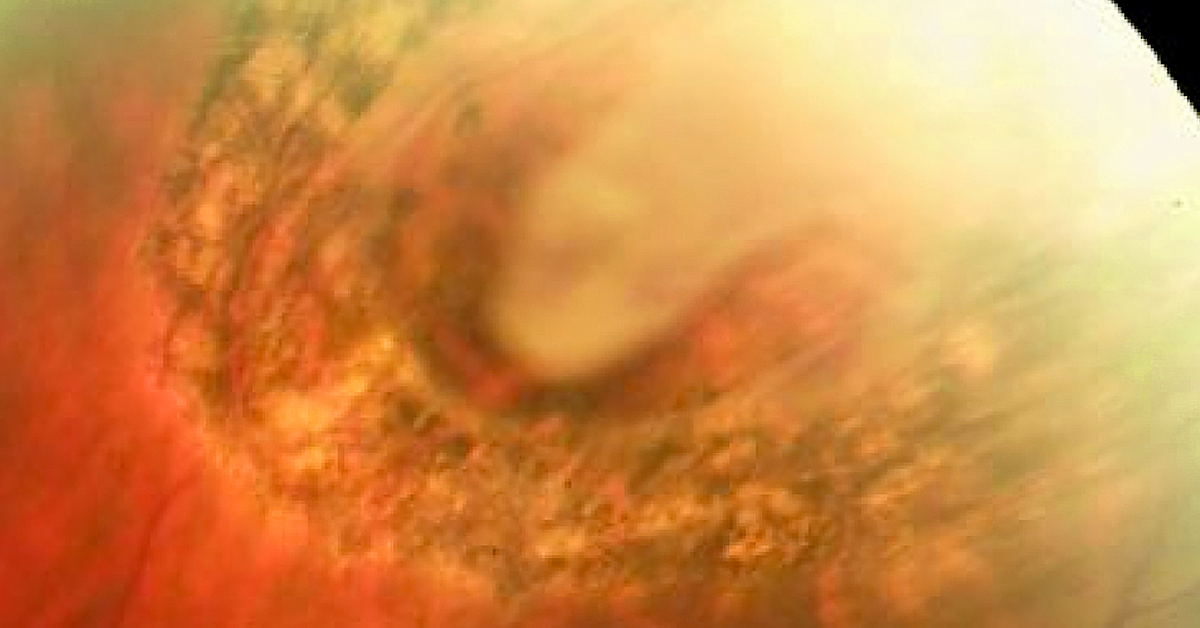
The last Tuesday of March each year is The last Tuesday of March each year is American Diabetes Association Alert Day®. One in every 3 Americans is at risk for developing Type 2 Diabetes, a serious disease that is the leading cause of vision loss and blindness. But Type 2 diabetes doesn’t have to be permanent – it can be prevented or delayed with healthy lifestyle modifications. Learn more about lowering your risk for diabetes and take the Type 2 Diabetes Risk Test at https://bit.ly/2Jyspdz. One in every 3 Americans is at risk for developing Type 2 Diabetes, a serious disease that is the leading cause of vision loss and blindness. But Type 2 diabetes doesn’t have to be permanent – it can be prevented or delayed with healthy lifestyle modifications. Learn more about lowering your risk for diabetes and take the Type 2 Diabetes Risk Test at https://bit.ly/2Jyspdz
Retinoblastoma is a rare type of eye cancer that usually develops in early childhood

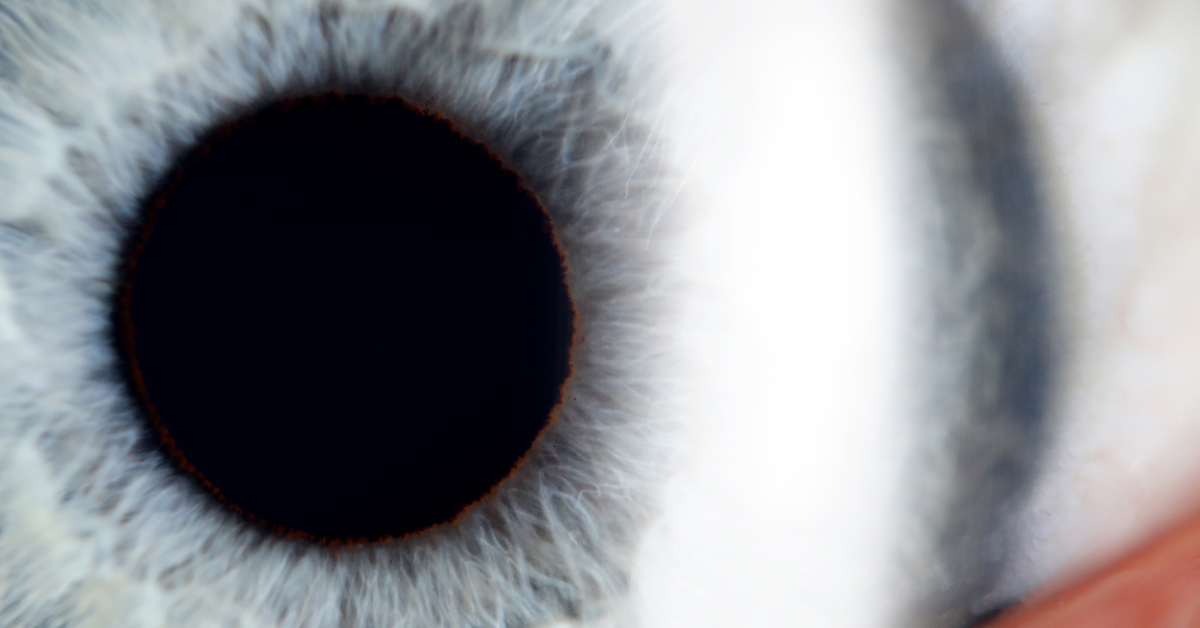
Retinoblastoma is a rare type of eye cancer that usually develops in early childhood, typically before age 5. This form of cancer develops in the Retina, and typically affects only one eye, although one out of three children with Retinoblastoma eventually develop the cancer in both eyes. The most common first sign of Retinoblastoma is a visible white spot in the pupil, also called a “cat’s eye reflex,” that is noticeable in dim light or in photographs taken with a flash. Other symptoms of Retinoblastoma include crossed eyes, or eyes that don’t point in the same direction. Retinoblastoma is often curable when diagnosed early, but if not treated promptly it can spread beyond the eye to other parts of the body. Learn how one mother’s intuition saved her son’s eye, and his life at http://bit.ly/39V3Wun.

Has your Ophthalmologist or Optometrist talked with you about Drusen?

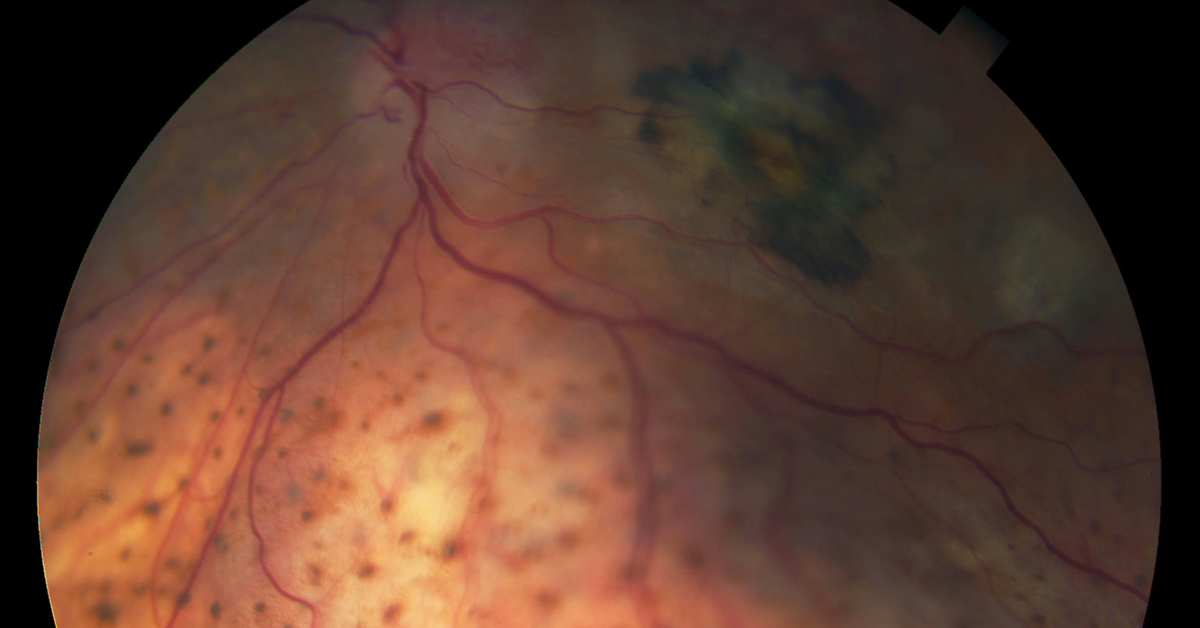
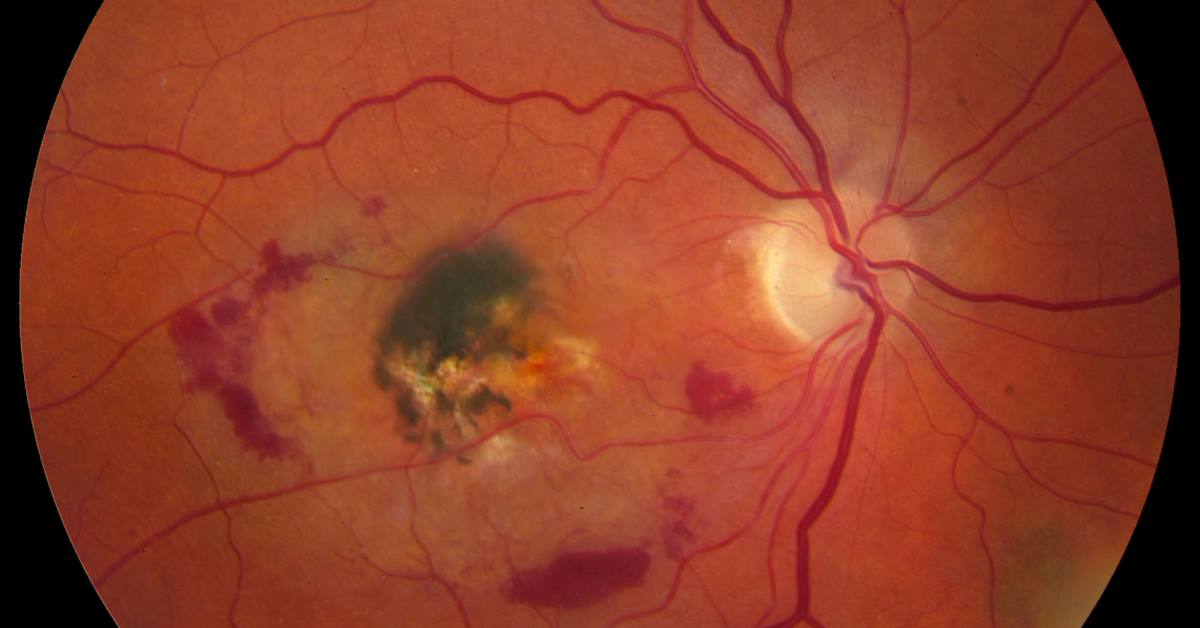
Has your Ophthalmologist or Optometrist talked with you about Drusen? Drusen, German for “rock” or “pebble,” can be a sign of Macular Degeneration. These small fatty deposits under the Retina often have no symptoms, but represent a risk for some degree of vision loss in the future. People with more or lager Drusen are at higher risk for developing Age-related Macular Degeneration (AMD) than those with fewer or smaller Drusen. It’s not known whether Drusen causes AMD, or if they are just a sign that the Retina is not functioning properly. If you have been diagnosed with Drusen, be sure to see your High Country Macula Retinologist for regularly scheduled exams.

Migraine sufferers and flashing lights

Although migraine sufferers often experience flashing lights, or photopsias, during a migraine episode, photopsias may also be a symptom of a retinal tear, a potentially blinding problem. With migraine, light flashes usually last up to 30 minutes and appear in both eyes. Unlike a migraine attack, lights seen with a retinal tear appear only in one eye, and tend to come and go without a defined length of time. Although flashes from migraine and retinal tears differ, it can be difficult to specifically determine their cause. Be sure to contact your Retinologist at High Country Macula whenever you experience flashes of light, and share with friends or loved ones who suffer from migraine.

“Flu-like illness” patient protocols update

In the spirit of the expanding Coronavirus COVID-19 pandemic, High Country Macula is adjusting our “flu-like illness” patient protocols to be more in-line with CDC COVID-19 recommendations. The purpose of these changes is to protect our patients and staff and to streamline the evaluation and management for those people with a flu-like illness. We have posted these new protocols to our website at:
http://hcm.mobiussites.com/…/our-practice/flu-like-illn…/

Please read these new protocols prior to your scheduled appointment at High Country Macula. We appreciate your understanding.

For information on COVID-19 please visit the following links:
https://wkxa.com/…/…/2020/02/VIDEO-2020-02-04-07-40-13-1.mp4

“What you should know.”
https://www.cdc.gov/coronavirus/2019-ncov/index.html

“Flu-like illness” patient protocols during Coronavirus COVID-19 pandemic

In the spirit of the expanding Coronavirus COVID-19 pandemic, High Country Macula is adjusting our “flu-like illness” patient protocols to be more in-line with CDC COVID-19 recommendations. The purpose of these changes is to protect our patients and staff and to streamline evaluation and management for those people with a flu-like illness.

Over the next days, we’ll be posting these new procedures to our website at
http://hcm.mobiussites.com.

For information on COVID-19 please visit the following links:
https://wkxa.com/…/…/2020/02/VIDEO-2020-02-04-07-40-13-1.mp4

“What you should know.”
https://www.cdc.gov/coronavirus/2019-ncov/index.html

Happy National Pi Day!

Happy National Pi Day! National Pi day is the official celebration of π, or 3.14, the infinite mathematical constant and ratio of a circle’s circumference to its diameter. Although a perfect circle conjures the spherical magnificence of an eye, the human eye is not perfectly round. Learn more about the anatomy of the eye at http://bit.ly/2XtJAD4

Promising New Treatments for Age-related Macular Degeneration

More than 2 million Americans suffer from Age-related Macular Degeneration (AMD), the leading cause of blindness among white Americans over 40, and the leading cause of irreversible vision loss throughout the world. Although there is no treatment for the more common form of the disease, Dry AMD, there are promising new treatments for Wet AMD, which is currently treated with injections of anti-VEGF drugs into the eye on a regular basis. New treatments that are creating hope with Wet AMD sufferers include gene therapy that provides a “one-and-done” treatment to help the eye produce its own anti-VEGF medicine, and a tiny refillable device smaller than a grain of rice that stores anti-VEGF medicine, and can be implanted into the wall of the eye. Learn more about new developments for treating both Wet and Dry AMD at http://bit.ly/2VfwBWQ, and be sure to share with friends or loved ones who suffer from AMD.

March 8 is International Women’s Day

March 8 is International Women’s Day. Today, we’d like to recognize the women of High Country Macula. Our patients’ successful outcomes are attributable to their hard work and dedication, helping patients restore their vision while addressing their feelings, expectations, and physical well-being in a positive and encompassing manner. They truly care, and it shows everyday. Join us in saying Thank You! to these amazing women.

March is Workplace Eye Wellness Month

Prevent Blindness recognizes March as Workplace Eye Wellness Month to help educate employers and employees of the dangers of blue light, digital eyestrain, and eye injury protection while at work. While the largest source of blue light is from the sun, there is concern about long-term effects of prolonged exposure to blue light from computer monitors and mobile devices due to our close viewing proximity, and length of time we spend looking at them during the workday. Early research shows that blue light exposure not only causes eyestrain and dry eye, but that it can also lead to damage to retinal cells over time. Learn more about blue light exposure at http://bit.ly/2HQkMi0, and be sure to share with anyone who spends long hours in front of a computer monitor or other digital screens.