

Do you have trouble sleeping?

Do you have trouble sleeping? Not sleeping well can lead to more than just tired eyes – insomnia has now been identified as a sign of increased risk of developing AMD, or Age-related Macular Degeneration. The study followed over 15,000 patients aged 55 and older with newly diagnosed insomnia experienced for over 9 years, and found that the group developed AMD at a rate higher than non-insomniacs. Researchers believe that older adults’ decreased levels of melatonin, a hormone produced by the pineal gland that regulates sleep and wakefulness may be the cause. If you or a loved one suffers from insomnia, regular eye exams should be an important part of your overall health regimen. Share with anyone you know who may suffer from insomnia.


“Smart” contact lenses may someday be used to monitor patients’ eye health

“Smart” contact lenses may someday be used to monitor patients’ eye health. A team of scientists in South Korea packed incredibly small electronic circuitry, batteries, and an antenna into a soft contact lens, which can continuously screen eye fluids for telltale signs of early eye disease, or illnesses such as Diabetes. Although initial tests in humans and rabbits have been promising, a large scale trial on humans has not yet been conducted. This research holds tremendous potential in innovating the ways we detect and prevent potentially blinding eye diseases in the future. Learn more at http://bit.ly/2GpRt5b

Meet Dr. Henry Hudson

In addition to being a nationally recognized Vitroretinal Surgeon and research publisher, High Country Macula’s Dr. Henry Hudson is also a competitive ballroom dancer. Dr. Hudson’s interests include all aspects of medical and surgical Retinal care. He is also deeply involved — nationally and internationally — in lecturing other Retinal specialists on new treatment modalities.

Endophthalmitis is an infection of the tissue or fluids inside the eyeball

Endophthalmitis is an infection of the tissue or fluids inside the eyeball. The most common type of Endophthalmitis is Exogenous Endophthalmitis, when the source of the infection comes from outside the body. Bacteria may get inside the eye during surgery, an injection to the eyeball, or an eye injury. Puncture wounds to the eye are the most likely cause of Endophthalmitis. The other type of Endophthalmitis is Endogenous Endophthalmitis, which starts as an infection in another part of the body, for example a urinary tract or blood infection, which then spreads to the eye. If you or a loved one suffers eye pain that gets worse after surgery, an injection or injury, or if you experience discharge from your eye, be sure to contact your Retinologist at High Country Macula, immediately. Endophthalmitis is an urgent medical emergency, and can cause blindness if not treated quickly. Learn more at http://bit.ly/37vn8xO

Just as our physical strength decreases with age, our eyes also exhibit an age-related decline in performance

Just as our physical strength decreases with age, our eyes also exhibit an age-related decline in performance. Although some age-related changes such as presbyopia, or difficulty in focusing on objects up close, are perfectly normal, other conditions like Macular Degeneration and Diabetic Retinopathy have greater potential for negatively impacting our quality of life. A healthy diet and regular eye exams are your best natural defenses against vision loss as you age. Learn more about vision and aging at http://bit.ly/2Q6piv1

A new and unexpected link between Wet and Dry forms of Age-related Macular Degeneration

Researchers have successfully treated Age-related Macular Degeneration (AMD) in mice after finding a new and unexpected link between Wet and Dry forms of the disease, the leading cause of vision loss in people age 60 and older. Dry AMD is more common and currently untreatable, and about 10% of those cases progress to Wet AMD, which is typically treated with frequent injections into the eye. A recent discovery found that the absence of an enzyme – Dicer – led to both forms of AMD. Dicer is lost with age, and leads to an overgrowth of blood vessels in the Retina. Early research used gene therapy to restore Dicer in mice, which successfully treated their AMD. This treatment approach requires further testing and large scale trials before use in humans, but its potential could be life-changing for those suffering from AMD. Learn more at http://bit.ly/30SHmiF

If you suffer from Atherosclerosis, you may also be at risk for Retinal Vascular Occlusion

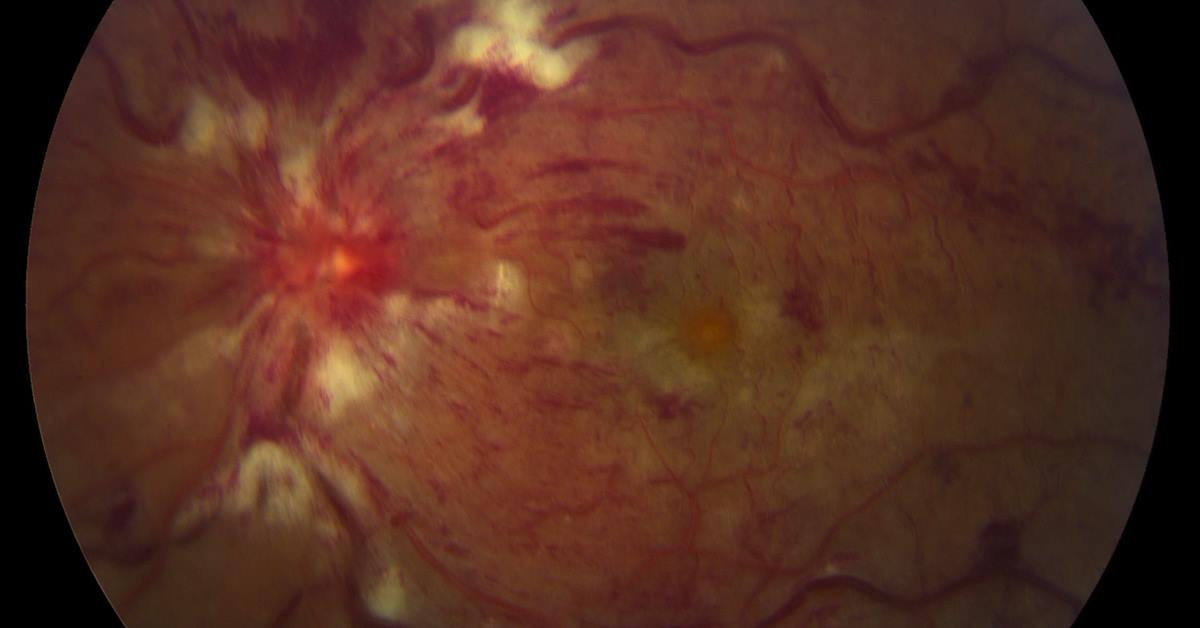
If you or a family member suffers from Atherosclerosis, you may also be at risk for Retinal Vascular Occlusion. Your Retina requires a constant supply of blood to make sure your cells receive enough nutrients and oxygen. If a blood vessel carrying blood to or from the Retina becomes blocked, or a clot occurs, you may experience occlusion. The primary symptom of Retinal Vascular Occlusion is a sudden change in vision, either sudden blurriness or partial or complete loss of vision, typically in just one eye. Be sure to immediately contact your Retinologist at High Country Macula should you unexpectedly experience blurriness or a loss of vision.

February is Low Vision Awareness Month

February is Low Vision Awareness Month. Low Vision is a condition where prescription eyeglasses, contact lens, medication or surgery cannot correct one’s vision. The National Eye Institute (NEI) of the National Institute of Health reports that over 4 million Americans age 40 and over are visually impaired, and that by the end of the decade this number is projected to soar to over 7 million. If you or a loved one has been diagnosed with Low Vision, talk with your Retinologist at High Country Macula about vision rehabilitation. Download a copy of “Living with Low Vision” from the National Eye Health Education Program (NEHEP) of the NEI, and share with anyone you know who suffers from Low Vision.

Suffer from Arthritis? It can also affect your eyes.

If you suffer from arthritis, you are already familiar with the swelling and associated pain in joints like your wrists, hands, and feet. But did you know that arthritis can also affect your eyes? Rheumatoid arthritis damages collagen, the connective tissue covering the ends of joint bones, which is also the primary substance that makes up the eye’s sclera and cornea. Most people who suffer from arthritis also suffer from dry eye, and it can also lead to other vision problems like uveitis, when the uvea – the layer of tissue between the Retina and the sclera, including the iris – becomes inflamed. Symptoms of uveitis include eye pain, light sensitivity and blurry vision. Whether or not you have arthritis, finding and treating eye problems early can help prevent vision loss. Learn more about arthritis and your eyes at http://bit.ly/2Z3F67c , and be sure to see your Retinologist at High Country Macula regularly to protect your sight.