

Have you heard that eating carrots is good for your eyesight? Fish may be even better.

Have you ever heard that eating carrots is good for your eyesight? Fish may be even better.
Results from two U.S. women’s health studies show that eating fish and vitamin D-rich foods may protect against Age-Related Macular Degeneration (AMD), the leading cause of blindness in people over 65. One study found that women who frequently ate fish high in omega-3 fatty acids were significantly less likely to develop AMD, and another study found a 57% decrease in risk of AMD in women who consumed the most vitamin D compared to those who consumed the least. Good sources of omega-3 fatty acids include salmon, trout, and tuna; and top food sources of vitamin D were fish, milk, and fortified cereal. Learn more at http://bit.ly/2EAh3ne and share with your friends and family.
Using the internet to diagnose eye problems can be dangerous to your health

Using the internet to diagnose eye problems can be dangerous to your health. Because most eye conditions and diseases require an in-person examination by an expert, online Ophthalmology-related symptom checkers have inherent limitations. A recent study showed that a popular online symptom checker was correct only 26% of the time, and in 14 of 17 cases made incorrect recommendations about what the patient should do next. Never hesitate to contact your Retinologist at High Country Macula should you ever experience any eye discomfort or distorted vision. Learn more about the study at http://bit.ly/2RgGwGY

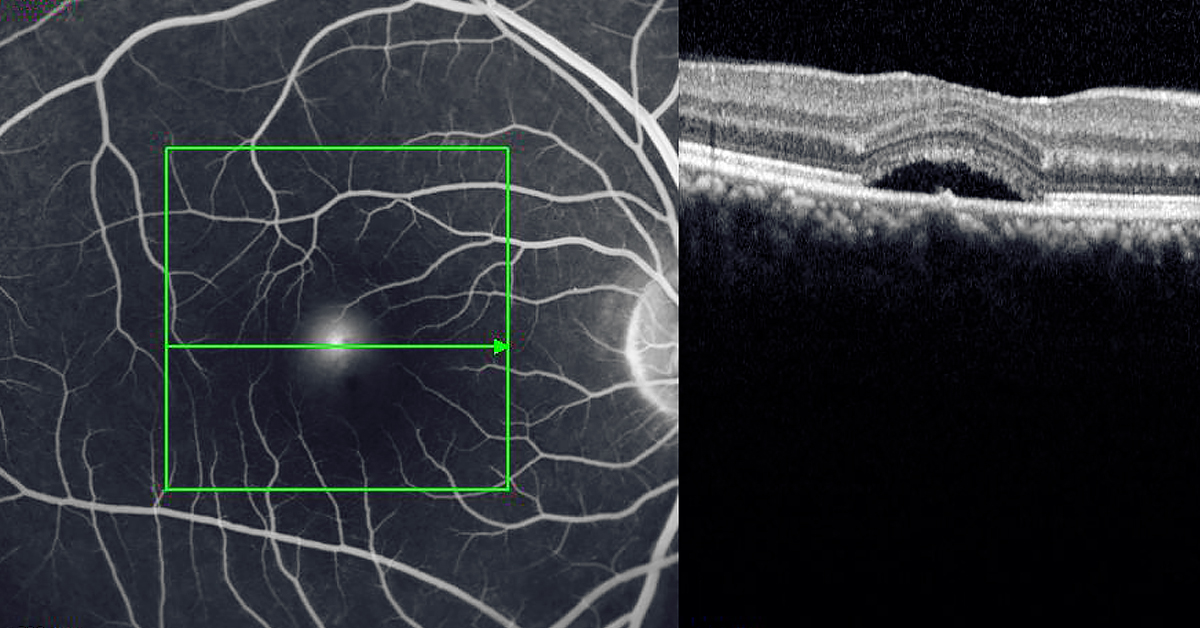
What is Central Serous Chorioretinopathy?

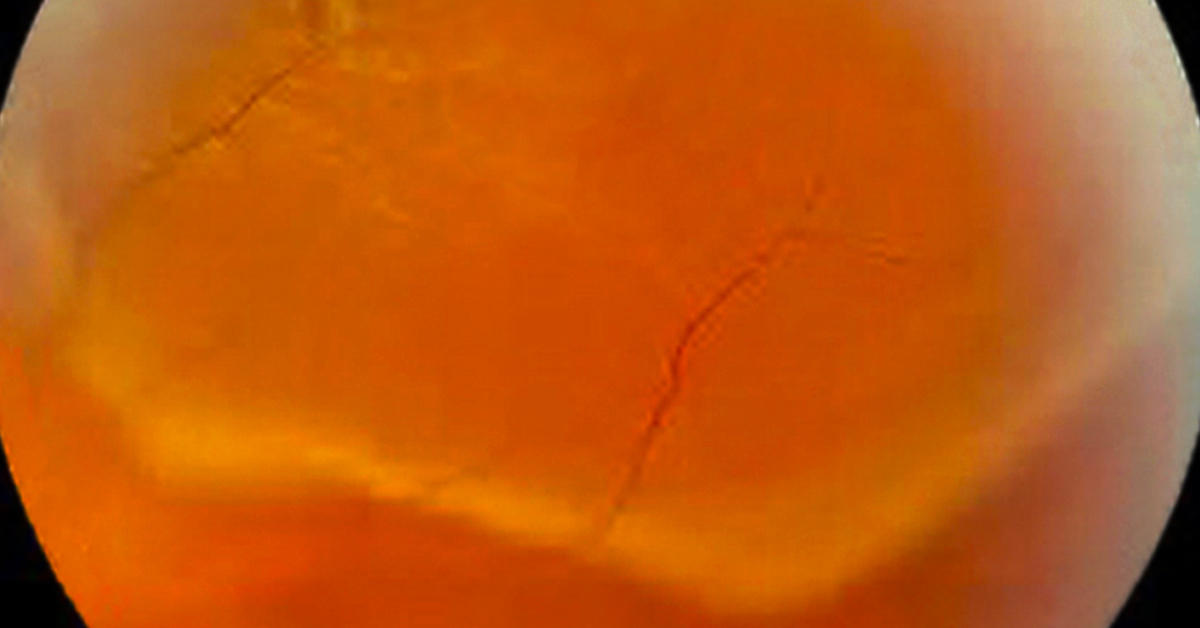
Central Serous Chorioretinopathy (CSCR) is when fluids from the choroid, a layer of tissues under the Retina, swell, creating a blister that can result in a small retinal detachment and visual distortion. Men in their 30s to 50s are more likely to develop CSCR than women, and those under a lot of stress are at particularly higher risk. Although long-term fluid accumulation can lead to permanent vision loss, if detected early, CSCR can be treated so that leaks are sealed and vision is restored. About half of the patients who have suffered from CSCR will have it return, so if you’ve ever experienced CSCR it’s critical to schedule regular follow-up exams with your Retinologist at High Country Macula. Learn more about CSCR at http://bit.ly/2Q5DTbH, and share with others who may be at risk.

Planning to spend time quality time outdoors this Winter?

Planning to spend time quality time outdoors this Winter? Be sure to take precaution to prevent damage to your Corneas and Retinas. Conditions like snowblindness result from a sunburned cornea due to overexposure to the sun’s UV rays. When hiking, skiing, or anytime you plan to be outdoors for extended periods of time, be sure to wear goggles or glasses that block 100% of the sun’s UV rays. For maximum protection also choose eyewear that are wrap-style or have side shields to protect your eyes from indirect as well as direct sunlight. Learn more at http://bit.ly/2RktUBO, and share with your friends who enjoy the outdoors this time of year.

Have you made your New Year’s resolution to schedule an eye exam?

Have you made your New Year’s resolution to schedule an eye exam? Although scheduling a comprehensive eye exam may not seem like a top priority, consider these facts:
– 61 million Americans are at risk for vision loss, but less than half have visited their eye doctor in the past 12 months.
– The number of blind or visually impaired Americans will double during this decade.
Many people have already made resolutions to improve their health, however many may not be aware that an eye exam can not only help protect vision, it can also uncover evidence of other diseases including diabetes or hypertension. We hope everyone has a happy and healthy
2020, and we look forward to seeing you in the new year!

Learn more about Retinitis Pigmentosa

Retinitis Pigmentosa (RP) is a group of rare genetic disorders that involve a breakdown and loss of cells in the Retina. RP is an inherited disorder that results from gene mutations that damage photoreceptors in the Retina. There are two types of photoreceptors – Rods, which allow us to see in dim and dark light, and Cones, which allow us to perceive fine visual detail and color. Symptoms of RP typically appear in childhood. Children may have difficulty getting around in the dark, and as their visual field becomes restricted, they often trip over things or appear clumsy. RP progression varies greatly from person to person. Some people experience a restricted visual field into their 50s, while others experience significant vision loss in early adulthood. Eventually, individuals with RP will lose most of their sight. Learn more at http://bit.ly/2CXyGfF .

Happy Holidays!

Happy Holidays! Best wishes to you and your loved ones from the entire staff at High Country Macula. Our patients are our inspiration, and we take tremendous pride in being able to help you preserve and restore your vision. May your home be filled with joy and love, and beautiful sights this Holiday season and throughout the upcoming year!

Changes in your Retina offer a glimpse into your heart health

Changes in your Retina offer a glimpse into your heart health. A recent study found that rising blood pressure and stiffening arteries – two indicators for vascular disease – create easily detectable changes to the tiny blood vessels in the back of the Retina. Although these changes don’t necessarily signal vision problems, narrowing Retinal arteries may signal a higher risk of cardiovascular events such as heart attacks, strokes, or death. Learn more at http://bit.ly/2XBJxWk. Share this with your loved ones, and be sure to schedule regular eye exams with your High Country Macula physician.

If you experience sudden flashes of light, be sure to see your Retinologist at HCM right away.

If you experience sudden flashes of light, be sure to see your Retinologist at HCM right away.
Flashes are pinpricks or spots of light that appear in your field of vision. People often refer to them as “shooting stars” or “lightning streaks.” Occasional flashes are usually harmless, but sudden or repeated flashes of light could be a sign that your Retina has torn or detached, which must be treated quickly to prevent blindness. Learn more at http://bit.ly/2Ow5uSv . If you or a loved one experiences these symptoms do not hesitate to contact your Retinologist at High Country Macula. Share this to help to preserve vision.

Learn about your family’s history of eye disease this Holiday season

As you gather with family during the Holidays, be sure to learn more about your family’s history of eye disease. Age-related Macular Degeneration and many other eye diseases can be genetic, so having a family history of eye disease can put you at a higher risk for developing one yourself. When you’re with family this holiday season, ask if any of your relatives have suffered with eye disease. Being aware of risks could help save your sight.