
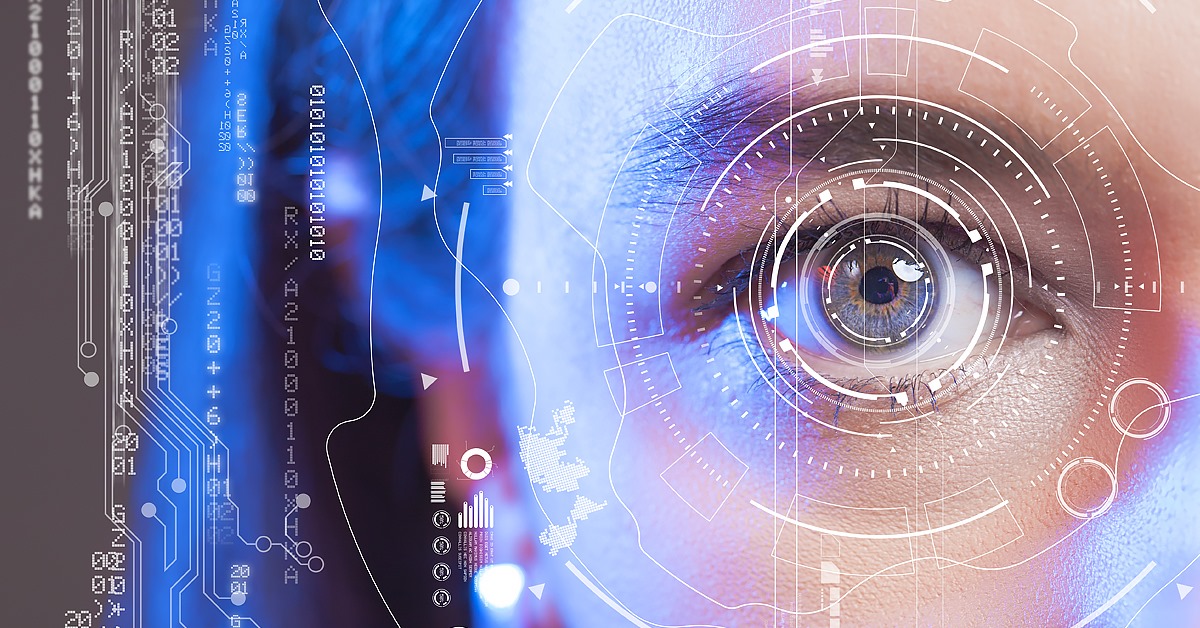
“Smart” contact lenses may someday be used to monitor patients’ eye health

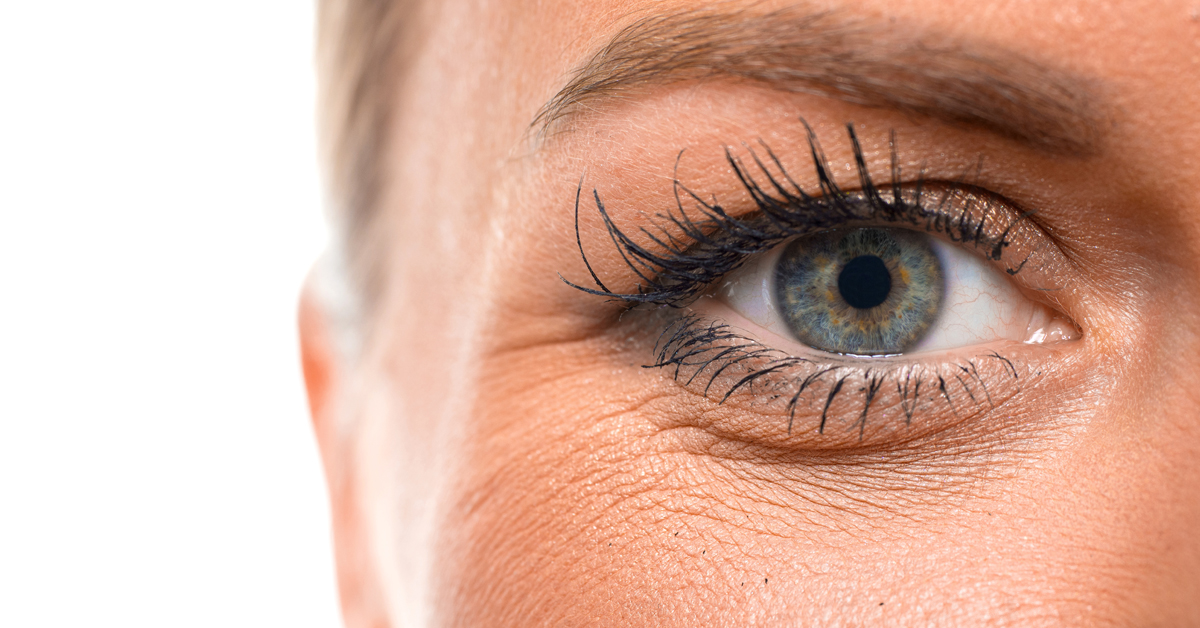
“Smart” contact lenses may someday be used to monitor patients’ eye health. A team of scientists in South Korea packed incredibly small electronic circuitry, batteries, and an antenna into a soft contact lens, which can continuously screen eye fluids for telltale signs of early eye disease, or illnesses such as Diabetes. Although initial tests in humans and rabbits have been promising, a large scale trial on humans has not yet been conducted. This research holds tremendous potential in innovating the ways we detect and prevent potentially blinding eye diseases in the future. Learn more at http://bit.ly/2GpRt5b

Americans aged 65 years and older have better vision than the same age group nearly a decade ago

Americans aged 65 years and older have better vision than the same age group nearly a decade ago. A recent study found that in 2008, 8.3% of U.S. residents reported serious vision impairment, while in 2017 that number had decreased to just 6.6%. For comparison’s sake, if 2017 impairment rates had remained at 2008 rates, an additional 848,000 Americans would be suffering serious vision impairment. The decline in vision problems was most pronounced in those 85 and older, who accounted for a 26% decrease in odds of impairment, and 75-84 year-olds who accounted for a 16% decline in impairment. The rate of decline in women was twice that of men, likely because research suggests women are more likely than men to visit eye care professionals. While other reasons for such a dramatic decrease in vision impairment remains a mystery, potential explanations may include advances in medical interventions for vision problems, and better management of health conditions impacting vision such as Diabetes. Learn more about declines in vision impairment amongst seniors at https://bit.ly/3u6GxAg

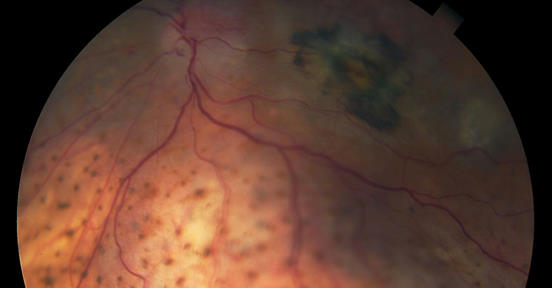
Retinoblastoma is a rare type of eye cancer that usually develops in early childhood

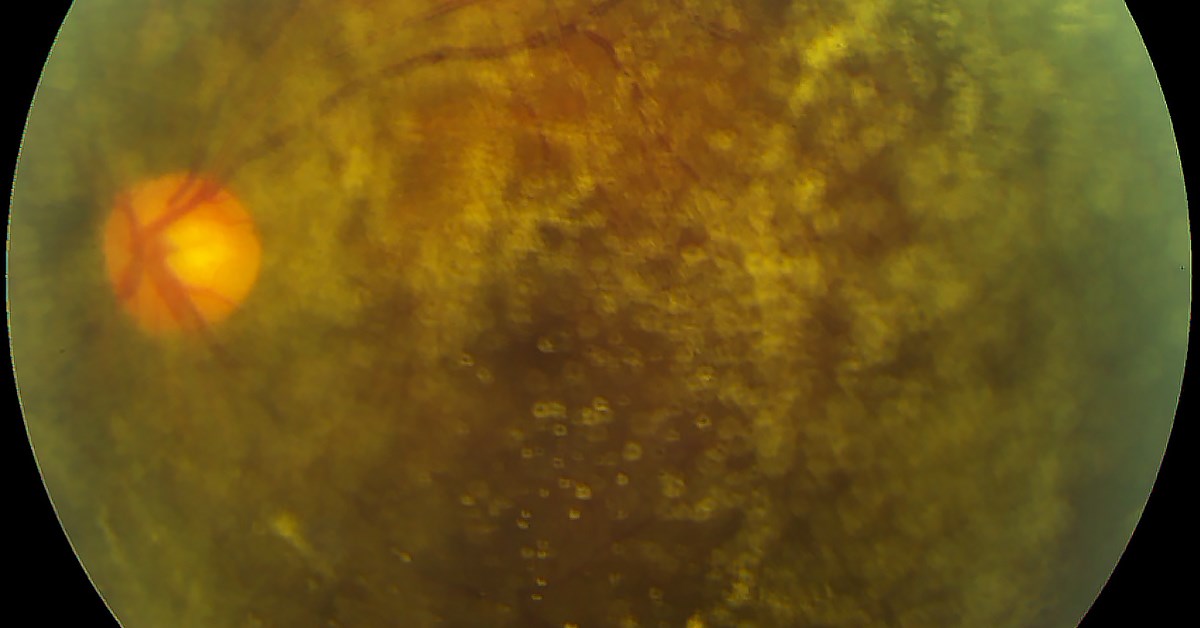
Retinoblastoma is a rare type of eye cancer that usually develops in early childhood, typically before age 5. This form of cancer develops in the Retina, and typically affects only one eye, although one out of three children with Retinoblastoma eventually develop the cancer in both eyes. The most common first sign of Retinoblastoma is a visible white spot in the pupil, also called a “cat’s eye reflex,” that is noticeable in dim light or in photographs taken with a flash. Other symptoms of Retinoblastoma include crossed eyes, or eyes that don’t point in the same direction. Retinoblastoma is often curable when diagnosed early, but if not treated promptly it can spread beyond the eye to other parts of the body. Learn how one mother’s intuition saved her son’s eye, and his life at http://bit.ly/39V3Wun.

Strokes not only affect the brain, they can also affect the eye

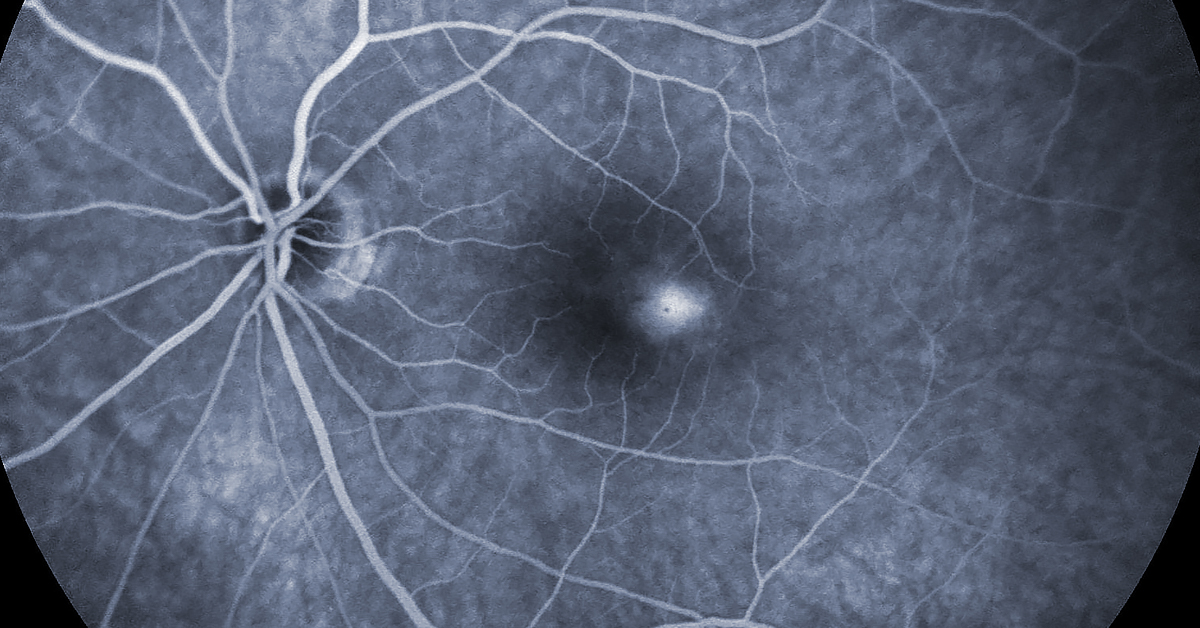
While most people think that strokes affect only the brain, they can also affect the eye. Central Retinal Artery Occlusion (CRAO) is a rare form of acute stroke that occurs when blood flow is blocked to the main artery of the eye. It typically causes painless, immediate vision loss, and fewer than 20% of those affected regain functional vision in the impacted eye. Because eye strokes are less common, they are often not diagnosed quickly, and often not referred for emergency care. While there is uncertainty in the medical community as to exactly what causes CRAO, and the best way to treat it, CRAO can be a warning sign of future brain strokes and heart attacks. As a potential early indicator for these vascular events, anyone experiencing CRAO should undergo urgent screening and treatment for cardiovascular risk factors. Learn more about Central Retinal Artery Occlusion and its warning signs at https://bit.ly/2QHz780

Does the appearance of new floaters qualify as an emergency?

Does the appearance of new floaters qualify as an emergency?
Yes!
While most floaters are harmless and not a threat to your vision, new floaters may be a sign of a serious problem such as a Retinal Tear or a Retinal Detachment. If you experience floaters that are darker than normal, there are significantly more of them, or if you see flashing lights and notice a loss of peripheral vision, these symptoms may be signs of a more serious problem requiring evaluation. If this is the case, contact your Retinologist at High Country Macula immediately. We can discuss your symptoms to determine if an emergency exam is necessary. We remain committed to performing the essential care to help you preserve your sight.

Some patients have expressed concerns about risk in traveling to their necessary appointments

While we continue in our rigorous adherence to protocols for safely accommodating those who may be at high-risk for COVID-19, some patients have expressed concerns about potential risk in traveling to their necessary appointments. If you have a friend, neighbor, or family member who can drive you, and you trust has been extra careful with their own exposure, this would be a better option than public transportation or ride-share. Don’t be embarrassed or shy in asking about their potential exposure, and what measures they’ve taken to stay isolated, or in asking them to wear a mask. If you have to travel on public transportation take along Lysol, bleach or alcohol wipes to wipe down areas within arm’s reach of where you are sitting or standing. Again, this does not take the place of washing your hands frequently while in public but it will make your immediate public spaces safer for you and others. Your health, and the health of our patients and staff during this difficult time remains our ultimate concern.

Meet Jenifer Hizny

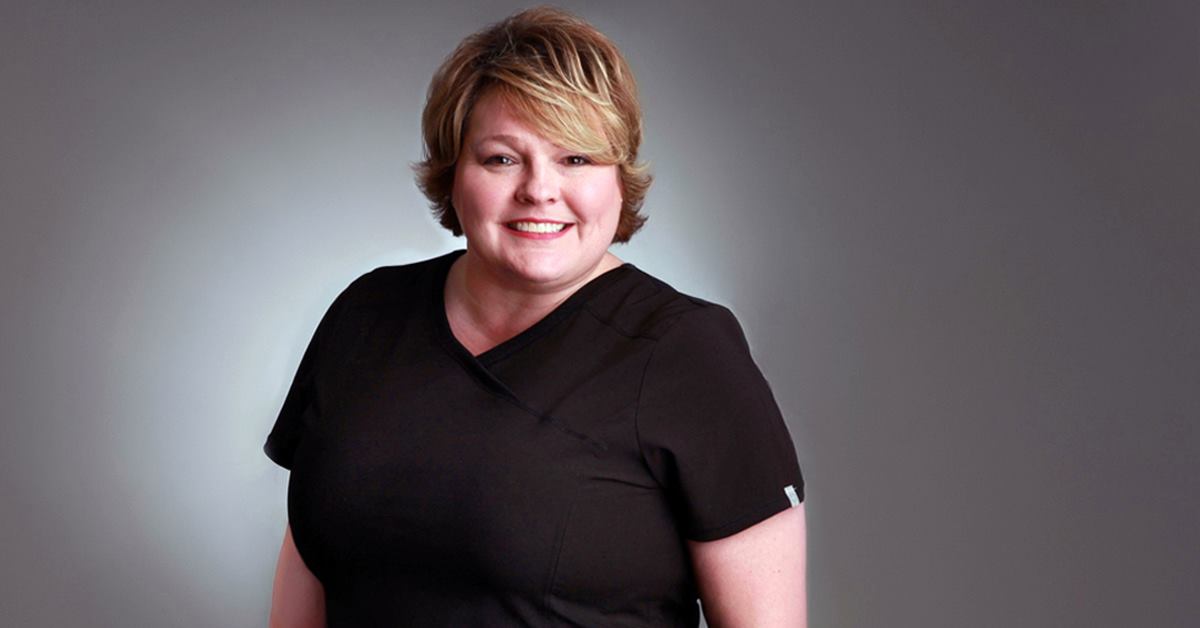
Jenifer Hizny, High Country Macula’s Practice Administrator, had an interesting career path before joining us in 2010. She originally earned her BS degree in Mechanical Engineering with a minor in Accounting, and then became a licensed Emergency Medical Technician (EMT). After moving to New Mexico, she worked as both a Pharmacological Representative and a Product Representative in the ophthalmic equipment sector. Jenifer enjoys spending time with her family, snowboarding, hiking, and swimming. She also loves Southern cooking and pretending to be the next Top Chef!

Potential new treatments offer hope for those suffering AMD

While there is no cure for Age-Related Macular Degeneration (AMD), the leading cause of blindness in seniors, there are potential new treatments that offer hope that this sight threatening disease may be slowed, or perhaps stopped or reversed. For more than a decade, Ophthalmologists’ only options have been to treat Wet AMD with monthly injections of an Anti-VEGF drug that blocks damaging proteins, and for Dry AMD, with a special formulation of antioxidant vitamins. But revolutionary new research suggests a future with more ways to protect people from blindness due to AMD. Developments in Wet AMD treatment include a tiny refillable reservoir smaller than a grain of rice that is surgically implanted into the wall of the eye under the eyelid that continuously releases the Anti-VEGF drug, and a gene therapy that helps to produce its own Anti-VEGF medicine. New Dry AMD treatments include drugs that target a part of the immune system identified as a culprit in Dry AMD, as well as the replacement of dying Retinal cells through stem cell transplants. Learn about these, and other revolutionary new treatments for AMD at http://bit.ly/3pKi68V

In addition to being a nationally recognized Vitroretinal Surgeon, Dr. Henry Hudson is also a competitive ballroom dancer

In addition to being a nationally recognized Vitroretinal Surgeon and research publisher, High Country Macula’s Dr. Henry Hudson is also a competitive ballroom dancer. Dr. Hudson’s interests include all aspects of medical and surgical Retinal care. He is also deeply involved — nationally and internationally — in lecturing other Retinal specialists on new treatment modalities.

At High Country Macula, Drs. Seligson and Hudson are fellowship trained in the management of all aspects of Vitreoretinal Pathology and perform comprehensive diagnostic services at their care centers in Albuquerque, Santa Fe, and Gallup. Learn more at highcountrymacula.com

Will getting the Covid-19 vaccine affect people’s vision?

Will getting the Covid-19 vaccine affect people’s vision? We’re happy to report there is no evidence at this time to suggest that widespread side effects from these vaccines are related to vision. While Covid-19 vaccines have not yet caused vision-related side effects, vaccines for other conditions have been linked to vision. The seasonal flu vaccine, the Measles Mumps Rubella (MMR) vaccine, and the chickenpox vaccine have all been known to cause mild symptoms like eye redness and inflammation, and the shingles vaccine can actually prevent vision problems that can arise as a result of contracting the disease. While some vaccines may be linked to mild side effects related to vision, experts maintain that the benefit of being vaccinated against Covid-19 outweighs any potential side effect. Learn more at http://bit.ly/3brJy6r