March 8 is International Women’s Day

March 8 is International Women’s Day. Today, we’d like to recognize the women of High Country Macula. Our patients’ successful outcomes are attributable to their hard work and dedication, helping patients to preserve and restore their vision while addressing their feelings, expectations, and physical well-being in a positive and encompassing manner. They truly care, and it shows every day. Join us in saying Thank You! to these amazing women.

A new drug may make it possible to eliminate Diabetic Retinopathy with a single injection

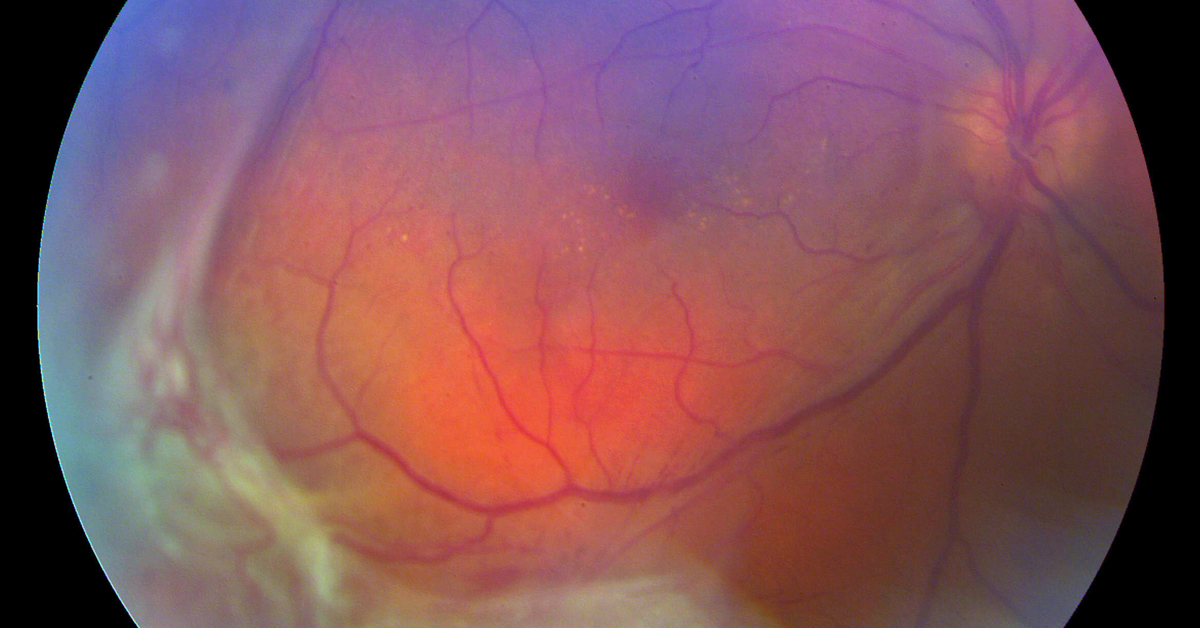
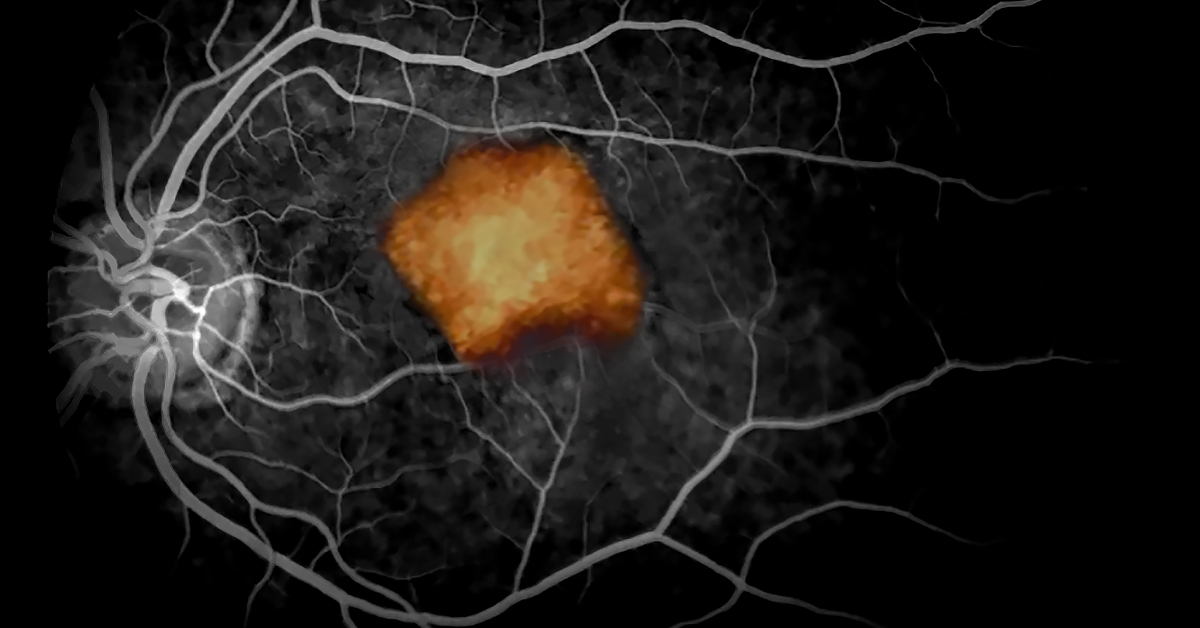
The discovery of a new drug may make it possible to eliminate Diabetic Retinopathy with a single injection. Diabetic Retinopathy is the leading cause of blindness in working age adults, and occurs when high blood sugar levels cause damage to blood vessels that feed the Retina in people with diabetes. These damaged blood vessels grow abnormally, and leave scars that obstruct vision. The main challenge in the treatment of Diabetic Retinopathy has been determining which blood vessels are healthy, and which are damaged. This new drug has been effective at identifying a molecular target present in damaged Retinal blood vessels, and selectively eliminating them, allowing the Retina to repair itself. Learn more about this promising breakthrough at http://bit.ly/3sg2jk8

Meet Dr. Michael Seligson

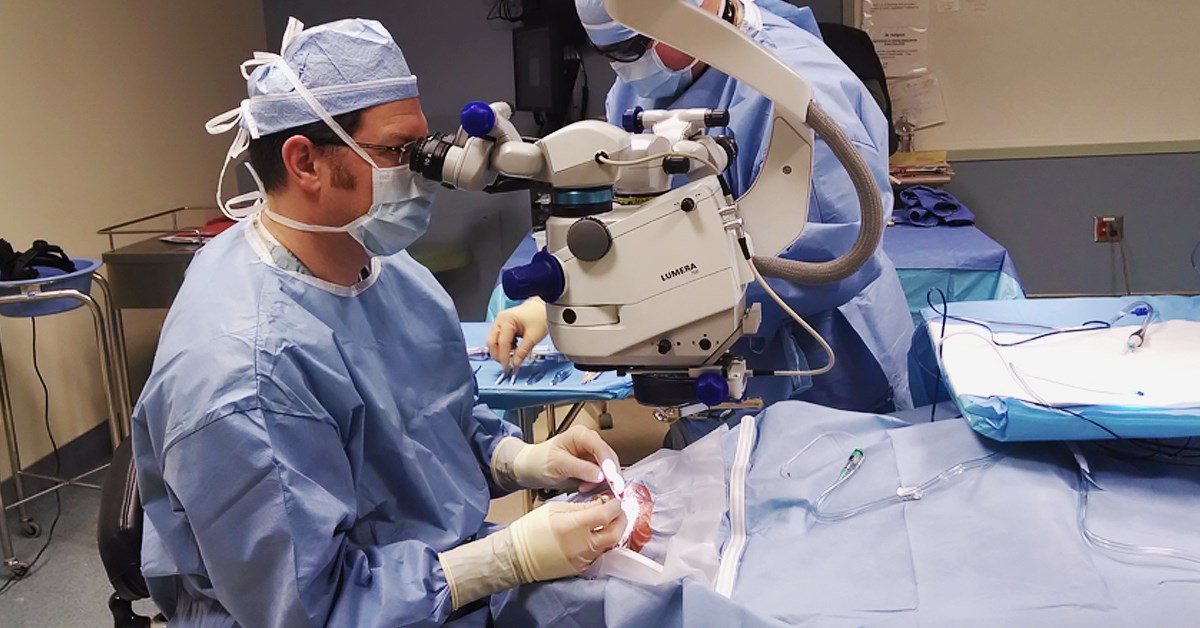
High Country Macula’s Dr. Michael Seligson is a board certified Ophthalmologist and highly-respected Vitreoretinal surgeon. He has extensive experience in Microincisional (Sutureless) Pars Plana Vitrectomy (PPV), commonly recommended for diseases of the rear of the eyeball which include Macular Pucker, Macular Hole, and Retinal Detachment, as well as with traditional methodologies. Prior to pioneering High Country Macula, the first full-service, Vitreoretinal-only practice in New Mexico, in 2004, Dr. Seligson practiced for four years each in Buffalo, NY and in Kansas City, MO. He lives in Albuquerque with his wife and daughter, and their rescue dog, Ringo. Dr. Seligson enjoys literature, the outdoors, road-trips, ice-cream, and performance-car-driving.

At High Country Macula, Drs. Seligson and Hudson are fellowship trained in the management of all aspects of Vitreoretinal Pathology and perform comprehensive diagnostic services at their care centers in Albuquerque, Santa Fe, and Gallup. Learn more at highcountrymacula.com


Air pollution is linked to Age-related Macular Degeneration

A long-term study has revealed that air pollution is linked to Age-related Macular Degeneration (AMD), the leading cause of blindness among those over 50 years of age. Known AMD risk factors include older age, smoking, and genetics, but given the fact that ambient air pollution has been associated with heightened risk of heart and respiratory disease, researchers wanted to learn if it might also be linked to AMD. After counting for factors like health condition and lifestyle, studies showed that higher exposure to particulate pollution matter was associated with an 8% higher risk of AMD. The study also showed a direct relationship between air pollution and Retinal layer thickness, which indicates that air pollution may make Retinal cells vulnerable to other vision risks in addition to AMD. Learn more about the links between air pollution and progressive and irreversible sight loss at http://bit.ly/3iZ1fNV

Alcohol-based hand sanitizer is harming children’s eyes

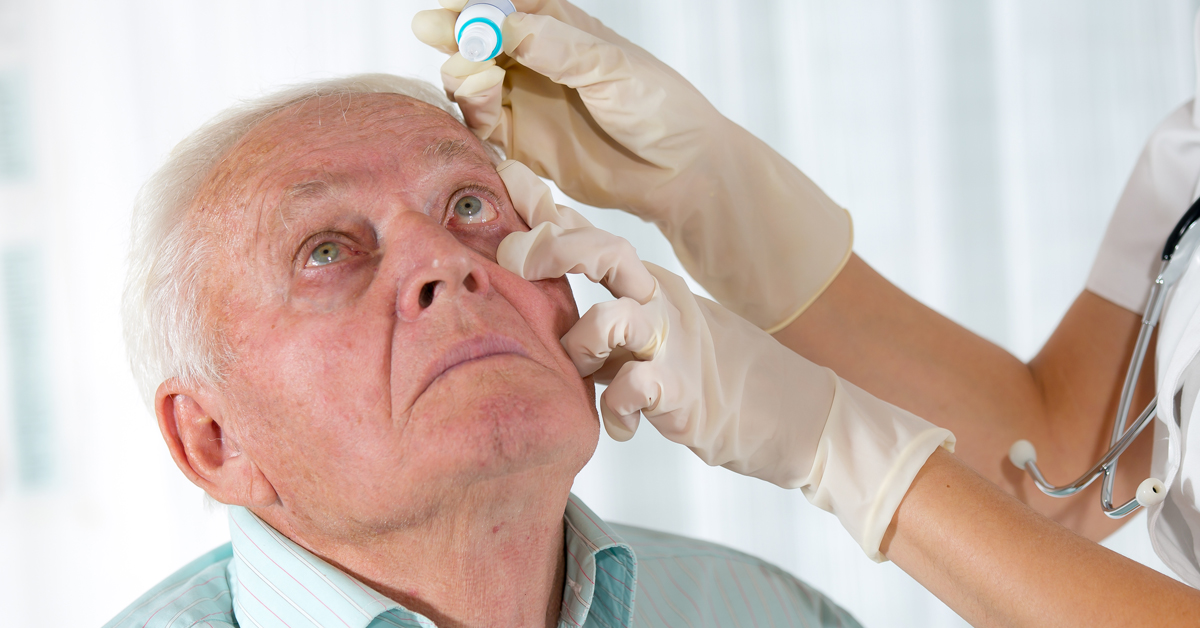
Alcohol-based hand sanitizer is harming children’s eyes. A recent study by a Paris children’s hospital reported a sevenfold increase in accidental eye injuries to kids under the age of 18 – increased exposure to public hand sanitizers is suspected as the primary cause. Hand sanitizers consist mainly of isopropyl alcohol, which is toxic to delicate structures like the eye. The increase in sanitizer-related eye injuries in children is most likely due to the increased availability of public hand sanitizer dispensers, and the fact that they are typically placed at children’s eye level. Children who use the sanitizer, often without their parent’s knowledge, then rub their eyes before the alcohol has evaporated. Although exposure to the alcohol in sanitizer can lead to blindness or corneal ulcers, most reported cases have been relatively mild in severity. Learn more about the safe use of hand sanitizer at http://bit.ly/3pz04Y7

Looking forward to some quality time outdoors this winter?

Looking forward to some quality time outdoors this winter? Be sure to take precaution to prevent damage to your Corneas and Retinas. Conditions like snowblindness result from a sunburned cornea due to overexposure to the sun’s UV rays. When hiking, skiing, or anytime you plan to be outdoors for extended periods of time, be sure to wear goggles or glasses that block 100% of the sun’s UV rays. For maximum protection also choose eyewear that are wrap-style or have side shields to protect your eyes from indirect as well as direct sunlight. Learn more at http://bit.ly/2RktUBO, and share with your friends who enjoy the outdoors this time of year.

Medicated drops may help close Macular Holes

Medicated drops may help close Macular Holes, allowing some patients to avoid complicated surgery. A Macular Hole is a small break in the Macula, the central area of the Retina that is responsible for sharp central vision. While 5% to 10% of Macular Holes close on their own, the rest require a Vitrectomy, a surgical procedure that involves removing the gel-like fluid between the Retina and lens, and repairing the hole. Unfortunately, Vitrectomy patients must remain face down for several days and nights after the procedure. As an alternative to surgery, researchers tested a regimen of medicated eye drops that showed promise in helping Macular Holes to close in 2 to 8 weeks, up to 4 times faster than non-surgical closure. Although further research is necessary, this approach is tremendously promising, even if only effective on a small subset of those suffering from a Macular Hole. Learn more about new developments for treating Macular Holes at http://bit.ly/39u8uKT

Have you ever heard that eating carrots is good for your eyesight?

Have you ever heard that eating carrots is good for your eyesight? Fish may be even better.
Results from two U.S. women’s health studies show that eating fish and vitamin D-rich foods may protect against Age-related Macular Degeneration (AMD), the leading cause of blindness in people over 65. One study found that women who frequently ate fish high in omega-3 fatty acids were significantly less likely to develop AMD, and another study found a 57% decrease in risk of AMD in women who consumed the most vitamin D compared to those who consumed the least. Good sources of omega-3 fatty acids include salmon, trout, and tuna; and top food sources of vitamin D were fish, milk, and fortified cereal. Learn more at

A breakthrough advancement in the development of a cell therapy to treat blindness

Scientists have made a breakthrough advancement in the development of a cell therapy to treat blindness. A recent study showed that Retinal cells from a human cadaver eye can survive when transplanted into a primate model. The Retinal Pigment Epithelium, or RPE, is a layer of pigmented cells in the Retina which functions as a barrier and regulator to maintain vision. RPE dysfunction can lead to a multitude of eye disorders, including Age-related Macular Degeneration. The study found that RPE patches from donated adult cadaver eyes could partially replace the function of the RPE in the Macula of a non-human primate. Although the study suggests that donor RPE is safe to transplant, further studies are necessary to determine whether RPE stem cells from donated eyes could restore vision in human patients. Learn more about this fascinating study at http://bit.ly/3aeDYnl


Retinitis Pigmentosa is a group of rare genetic disorders that involve a breakdown and loss of cells in the Retina

Retinitis Pigmentosa (RP) is a group of rare genetic disorders that involve a breakdown and loss of cells in the Retina. RP is an inherited disorder that results from gene mutations that damage photoreceptors in the Retina. There are two types of photoreceptors – Rods, which allow us to see in dim and dark light, and Cones, which allow us to perceive fine visual detail and color. Symptoms of RP typically appear in childhood. Children may have difficulty getting around in the dark, and as their visual field becomes restricted, they often trip over things or appear clumsy. RP progression varies greatly from person to person. Some people experience a restricted visual field into their 50s, while others experience significant vision loss in early adulthood. Eventually, individuals with RP will lose most of their sight.
Share this with others to help to preserve vision and visit both http://bit.ly/2CXyGfF and highcountrymacula.com to learn more.