
What is Vitreomacular Traction?

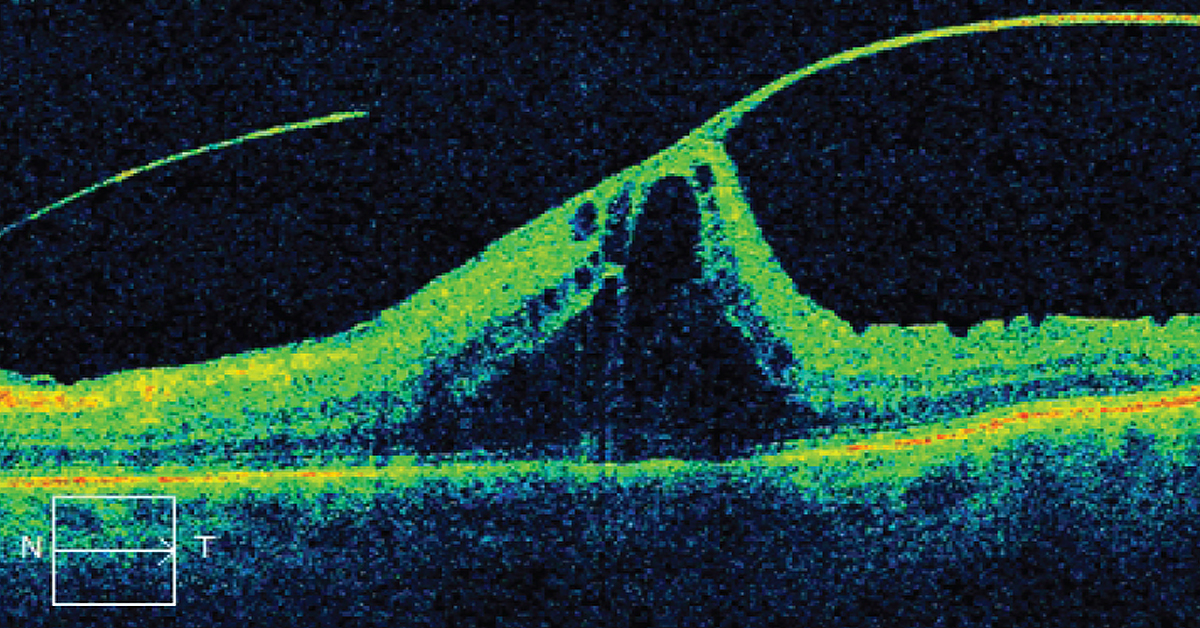
What is Vitreomacular Traction (VMT)? The middle of the eye is filled with a substance called Vitreous. In a young, healthy eye, this gel-like substance is firmly attached to the Retina and Macula by millions of microscopic fibers. As we age, or as a result of eye disease, the Vitreous shrinks and pulls away from the Retina, and over time completely separates, which is normal and happens to most people by age 70. But in some people, the Vitreous doesn’t detach completely, and remains partly stuck to the Macula at the center of the Retina. The Vitreous then pulls and tugs on the Retina, causing VMT, which can create vision loss if not treated. If VMT is mild and doesn’t impact vision, treatment may not be needed, and may only require home monitoring with an Amsler Grid. Severe cases can lead to vision threatening conditions such as Macular hole, when tugging of the vitreous creates a hole in the Macula, or Macular pucker, when macular scar tissue builds up and distorts vision. If ones vision is impaired, it is urgent to contact a Retinologist at High Country Macula to preserve vision. Learn more at highcountrymacula.com and at https://bit.ly/36icbSa


America’s ongoing opioid epidemic is costing an increasing number of addicts their eyesight

America’s ongoing opioid epidemic is costing an increasing number of addicts their eyesight. Eye infections caused by bacteria that invade the bloodstream through the use of dirty needles have quadrupled between 2003 and 2016, and the number continues to rise. Pathogens injected in to the bloodstream through IV drug use can cause infection in many different organs, including the brain and heart valves, but the eyes are often the first that are noticeably affected, because by weight, the eye has the highest blood flow of any organ in the body. Once in the eye, infection can spread to the Retina and cause irreparable damage. In the worst cases, an infection can spread outside the eye socket and back into the brain, resulting in a lethal infection. Learn more about the impact of the opioid epidemic on vision at https://bit.ly/2KGVmrG

You’re not imagining it – wearing a mask can make your eyes feel dry

You’re not imagining it – wearing a mask can make your eyes feel dry. Mask-Associated Dry Eye (MADE) is an emerging phenomenon that eye experts are urging the public to be mindful of. MADE is triggered by air being expelled over the top of the mask, and flowing over the surface of your eyes. That moving air dries the tear film, a thin layer of fluid covering the eye’s surface. Masks may also aggravate oil glands near the eye, causing inflammation and speeding up tear evaporation. Experts urge that the benefits of mask-wearing outweigh the discomfort of MADE, but suggest that people be conscious of symptoms of dry eye and treat them proactively. Learn ways to help alleviate MADE at https://wapo.st/36lm41H

Could a fish hold the secret to curing damaged Retinas in humans?

Could a fish hold the secret to curing damaged Retinas in humans? Currently, there are few effective treatments for diseases such as Age-related Macular Degeneration (AMD), the most common cause of blindness in millions of Americans over age 55. Mammals can’t regenerate retinal neurons that are damaged by disease, but in the tiny zebrafish, which is widely used as a “model organism” in biological research, retinal damage triggers a spontaneous regenerative response that restores both retinal structure and function. Since the cells and structure of the Retina are similar among vertebrates, understanding how zebrafish regenerate damaged Retinas could lead to new ways to regenerate Retinas in people. Learn more about this fascinating study at https://bit.ly/37PPKDD

Simple adjustments in the home can lessen dependencies for those with low vision

Low vision can be a significant challenge for those trying to maintain their independence as they age. It can make everyday activities more difficult, increasing reliance on loved ones and caregivers while increasing the risk of falls and depression. In addition to keeping up with eye exams, there are simple adjustments that can be made to lessen dependencies for those with less severe forms of low vision. Using brighter lighting around the home can go a long way towards decreasing the incidence of missteps and falls, and increasing image size, color and contrast in digital accessories can make for a far better low vision experience. Learn more tips to help those with low vision at https://bit.ly/37hBPWr

We wish you a happy and healthy Thanksgiving

At this time of Thanksgiving, we’re saddened by the tragic circumstances the Covid crisis has wrought upon us all. If there’s a silver lining, it’s that we’ve all been forced to slow down a bit and focus on the simpler things in life – spending quality time with immediate family, taking walks, sharing in housework, seeing more of our children, cooking meals at home. At High Country Macula, we’re appreciating the circumstances for what they are, and we hope that some of the simple tasks and lessons with which we’re becoming reacquainted will have a lasting impact. We’re thankful for your trust, and for our being able to help you preserve and restore your vision. From all of us, we wish you a happy and healthy Thanksgiving, and we hope you enjoy something sweet on this special day.

We suggest reviewing your insurance policies now for 2021 so that you better understand your coverages

We all understand that insurance policies are quite complex, and that coverages can vary, greatly. With deductibles, copays, medication tiers, and coverage limitations, disappointments can happen. We suggest reviewing your policies now for 2021 so that you better understand your coverages, and limit the possibility of any surprises next year. If you are confused about your coverages, simply call us and ask us to help. At High Country Macula, we have staff members who are able to assist you.

Have you been seeing stars?

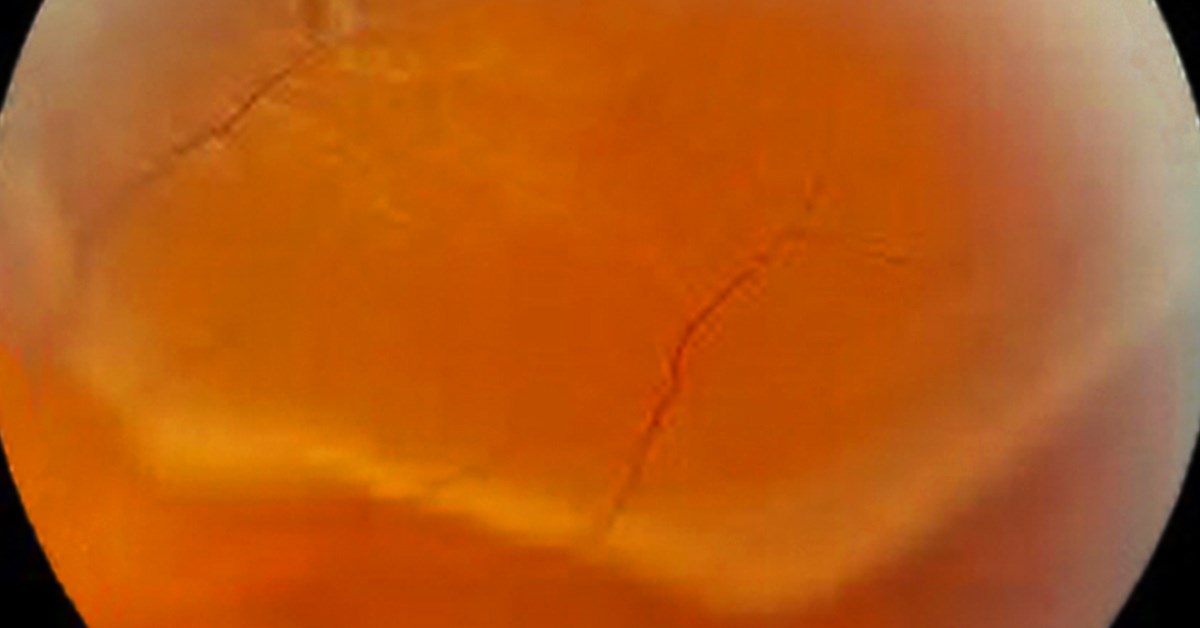
Have you been seeing “stars?” As we get older, the vitreous, or clear gel that fills our middle eye, can shrink and pull away from the Retina. When this happens you may notice what look like “stars” or flashing lights, which could be a sign of a Detached Retina, a serious sight threatening eye condition. If you ever experience seeing what look like “stars,” please call High Country Macula immediately to rule out possible causes including a Detached Retina, a Retinal Tear, or symptom of another emergency.

Sufferers from dry eye can try adding more fish to their diets

Sufferers from dry eye can try adding more fish to their diets. Dry eye occurs when our eyes don’t produce enough, or the right type of tears. Without lubrication from tears, eye can become red, scratchy, and irritable. Dry eye becomes more common with age, and many women develop dry eye during menopause due to hormonal changes. Although artificial tears are the most common treatment, a new study found that women who consumed the most omega-3 fats from fish had a 17% lower risk of dry eye compared with women who ate little or no seafood. Learn more about the benefits of fish oil for dry eye at https://bit.ly/2HBRUNn