Although eye cancer is rare, the most common form is Choroidal Melanoma

Although eye cancer is rare, the most common form is Choroidal Melanoma, which originates in the Choroid, a dense layer of vessels that supplies blood to the Retina. In its early stages the cancer doesn’t interfere with vision, but later it may cause blurred vision or Retinal Detachment, with symptoms such as flashes of light or the illusion of a veil across the visual field. Regular eye exams are important, as early diagnosis of Choroidal Melanoma can be treated with laser or radiation treatments which may preserve vision and save the eye. Contact your Retinologist at High Country Macula to learn more.


Exercise may help deter Age-Related Macular Degeneration

Exercise may help deter Age-Related Macular Degeneration (AMD). Regular exercise can help slim your waistline and lift your mood; now new research suggests that regular exercise may help prevent serious eye disease such as AMD and Diabetic Retinopathy. In the study researchers studied two groups of mice, one that had access to an exercise wheel, and another that did not. After 4 weeks the physically active mice had up to 45% less eye damage than the non-active mice. The study suggests that exercise may protect against the overgrowth of blood vessels, and boost the eye’s resilience. Learn more at https://bit.ly/37GBEWI

2021 open enrollment has started for many medical insurance policies

2021 open enrollment has started for many medical insurance policies. These policies can be quite complex and coverages can vary, greatly. With deductibles, copays, medication tiers, and coverage limitations, disappointments can happen. We suggest reviewing policies now, so that you better understand your 2021 coverages, and limit the possibility of any surprises. If you are confused about your coverages, simply reach-out and ask us to help. We have staff members who are able to assist you at High Country Macula. As always, we remain committed to performing the essential care you need to help you preserve your sight.

November is Diabetic Eye Disease Awareness Month

November is Diabetic Eye Disease Awareness Month. People with diabetes are more likely to develop blinding eye conditions and diseases such as diabetic retinopathy, the fourth leading cause of blindness in the world. Yet recent studies have revealed low awareness of the issue, particularly among ethnicities at higher risk for diabetes. Early detection, timely treatment, and appropriate follow-up care can reduce the risk of severe vision loss by 95%. To raise awareness that Americans may not be defending themselves against diabetes-related vision loss, this November the American Academy of Ophthalmology encourages those with diabetes to take proactive steps to protect their vision. Learn more about the diabetic eye diseases and the importance of frequent vision screenings and Retinal health checks at https://bit.ly/3kunCuO

Eye injuries from falls are increasing as the population ages

Eye injuries from falls are increasing as the population ages. A new study found that hospitalizations of people who had eye trauma has risen by 18 percent, and most of the increase was due to falls among people over age 65. The most common eye injury from a fall was orbital fracture, typically the result of blunt force trauma to the eye socket. Anyone with decreased vision is at increased danger of falling. Learn steps to reduce your risk at http://bit.ly/2U3gQ2E.

A vaccine that is used to reverse an incurable type of blindness may prove effective as a coronavirus vaccine

A vaccine that is used to reverse Leder congenital amaurosis (LCA), an incurable type of blindness that affects over 100,000 Americans, may prove effective as a coronavirus vaccine. The vaccine AAACOVID leverages a unique strategy, adeno-associated viral vector (AAV), to eradicate a virus before it can establish a foothold in the body. Administered through a single injection, it works by exposing genetic sequences of the SARS-CoV-2 Spike antigen to the body’s immune system. The body then quickly learns to recognize and defend against it. AAACOVID’s delivery system is what makes it unique, and it has a distinct advantage in the race for a coronavirus vaccine because it’s proven safe, effective, and quickly adaptable for use in a wide variety of indications over the past 25 years. It is also the only vaccine in development that’s already approved by the FDA for clinical use. Learn more at https://bit.ly/36qXSvh

New studies suggest that Diabetic Retinopathy may be the result of a vitamin A deficiency

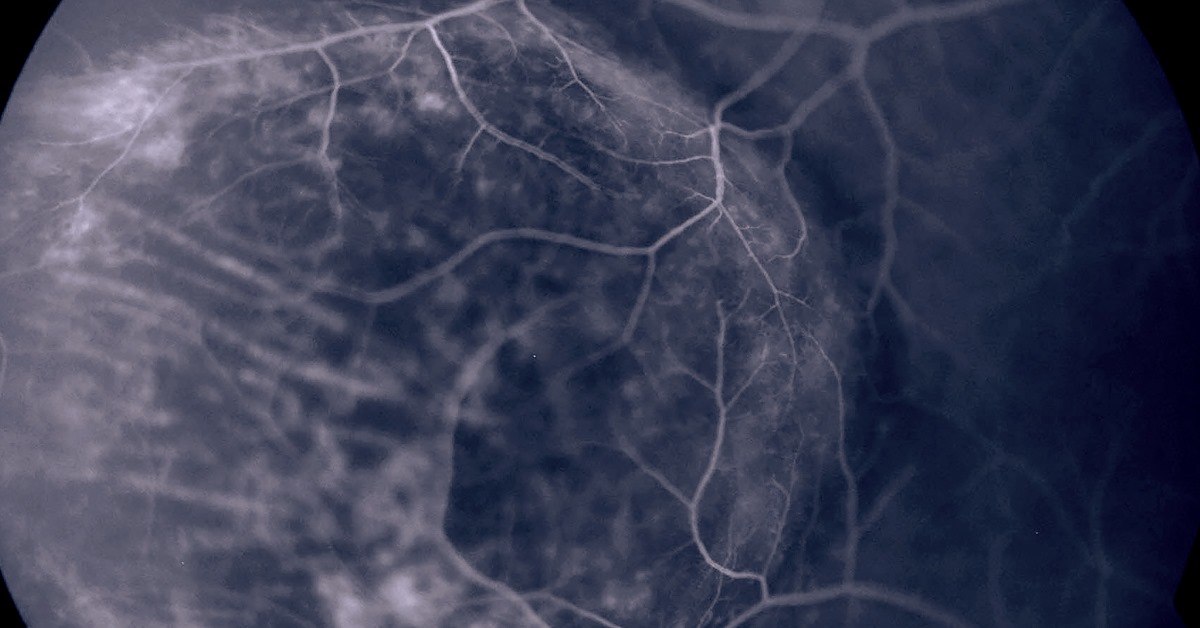
Long thought to be caused by blood vessel complications in the Retina, new studies suggest that Diabetic Retinopathy (DR), the leading cause of new cases of blindness in adults may actually be the result of a vitamin A deficiency in the eye. DR is a complication of diabetes, and puts diabetics at increased risk for Retinal Detachment and Vitreous Hemorrhage, in which leaking blood fills the back of the eye and blocks light from reaching the Retina. Although the only way to slow DR progression has been through controlling blood glucose levels through diet, exercise, and medication, new studies in mice suggest that administering a vitamin A analog, or synthetic version of vitamin A, can quickly reverse diabetic vision impairment with only one dose. If this research translates to similar findings in the human eye, we may be on the verge of a major breakthrough in preventing one of the most prevalent forms of blindness. Learn more at https://bit.ly/2ScqH5X

How Vision Rehabilitation is helping people with low vision make the most of their sight

After part of your world disappears as a result of Age-related Macular Degeneration or other eye disease, what’s next? Although people suffering from low vision or visual impairment have vision that can’t be fixed or improved with glasses, contacts, or surgery, it doesn’t mean that they are completely blind. Learn how Vision Rehabilitation is helping people with low vision make the most of their sight at http://bit.ly/2EuiDHt

Happy World Sight Day!

Happy World Sight Day! World Sight Day is an event sponsored by the Internal Agency for the Prevention of Blindness and observed each year on the second Thursday in October. It’s meant to draw attention to blindness and vision impairment across the globe. 36 million people worldwide are considered blind, but it’s estimated that 75% of sight loss can be preserved or restored with proper care and treatment. World Sight Day recognizes the importance of proper eye health, and serves as a reminder that you and your family should receive comprehensive eye exams annually. Learn more about World Sight Day at https://bit.ly/3kRgtV2

Scientists have created functional human Retinas that accurately replicate the real organ

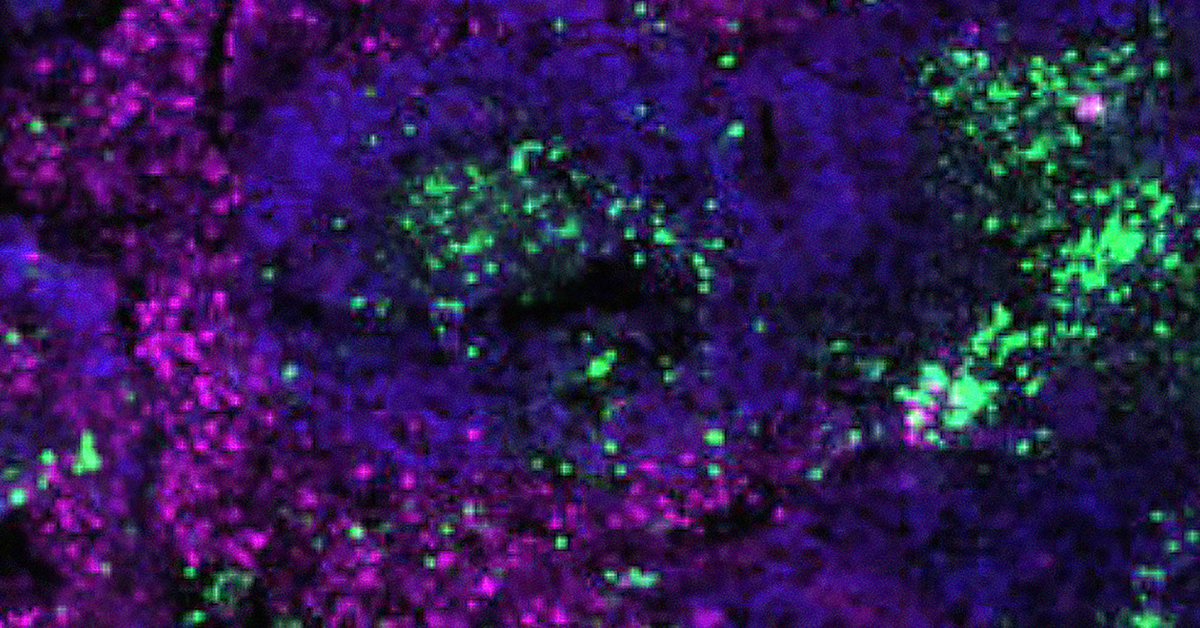
In an exciting new advancement, scientists have created functional human Retinas in a lab environment. These cultured retina, called organoids, are derived from stem cells organized into the five layers of light sensitive cells and nerves that send signals to the brain so that people can see. This development addresses a fundamental unmet need – the creation of Retina models that accurately replicate the real organ. Doctors can now map a disease to the model cells that they can grow and study in a dish, then use to tailor a treatment to meet a patient’s individual needs. Learn more at https://bit.ly/3jbxrx2