

Do you suffer from itching, burning eyes during the Fall?

Do you suffer from itching, burning eyes during the Fall? If so, you’re not alone. More than 35 million people in the U.S. are affected by seasonal allergies. Most Fall eye allergies are caused by ragweed and other pollens, or by mold spores. If you’re sensitive to Fall allergies, some precautions you can take are to stay indoors during early morning hours and to avoid yard chores that can stir up mold and pollen. Don’t hesitate to contact your Retinologist at High Country Macula if you’re experiencing Fall eye allergies.

Those Puppy Dog Eyes You Can’t Resist? Thank Evolution

Are you one of the thousands who adopted a puppy during the coronavirus pandemic? If you couldn’t resist your canine friends’ “puppy dog eyes,” the reason may lie in evolution. A recent study discovered that dogs have a developed a muscle not found in wolves that allows them to raise their inner eyebrows. And there is evidence that those dogs who use the “eyebrow raise” are more likely to get adopted from shelters. Learn more about this fascinating study at https://nyti.ms/2ELRzqA and share with fellow dog lovers.

Can red light therapy recharge aging eyes?

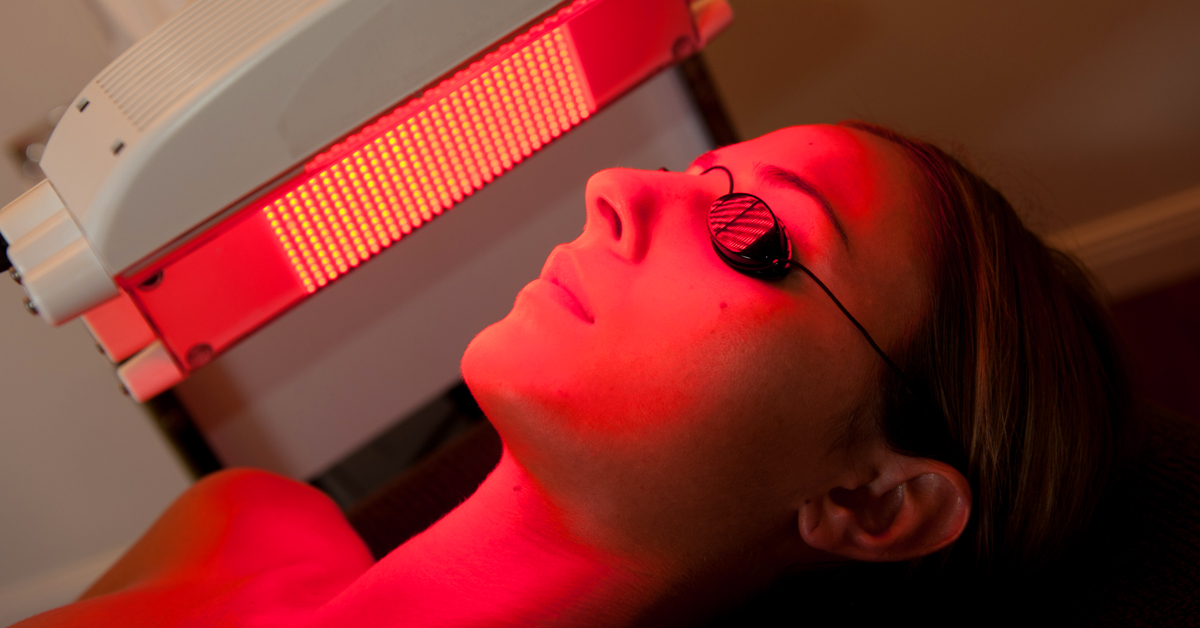
Can red light therapy recharge aging eyes? Red light therapy is used to calm acne, heal wounds, and treat arthritis, new research suggests that it may also help protect eyes as people age. A recent study found that brief exposure to deep red light – three minutes a day for two weeks – improved older adults’ color contrast sensitivity, the ability to discern letters against a similarly colored background. Earlier studies have also found that red light partially reversed the effects of aging in the retinas of old mice, enhancing retinal performance by 25%. Although red light therapy may hold promise for treating conditions like Macular Degeneration, don’t attempt red light therapy at home. Further testing in clinical trials is necessary to determine whether it can be used to treat ocular disease or aging eyes, and the most effective wavelength, dose, duration of treatment, and delivery method. Learn more at https://bit.ly/3jq92Ug

Helpful tech solutions that can make life easier for people with vision impairments

Recent technological advances in vision care are amazing, whether you may need support with reading, navigating to a destination, or enjoying other activities, there is a huge selection of apps, devices, and resources for people with low vision. From Screen Readers and Object Identifiers to Virtual Maps and technology that uses vibrations to allow passengers to “feel” the view through a car window, here’s a list of helpful tech solutions from the American Academy of Ophthalmology that can make life easier for people with vision impairments https://bit.ly/2G8M2L5

Have you experienced trouble falling asleep after staring at your phone or tablet before bed?

Have you experienced trouble falling asleep after staring at your phone or tablet before bed? Blue light – whether from the sun or your digital screen – wakes us up and stimulates us. This also means that too much blue light exposure late at night can disrupt our our ability to fall asleep. Many devices now have a “dark” or “night mode” setting to decrease screen brightness, but does it help with eyestrain, or to decrease blue light exposure? Learn more at http://bit.ly/2JZck21

A new cell injection technique could help reverse vision loss

A new cell injection technique could help reverse vision loss. Millions of people around the world live with reduced vision due to conditions such as Age-related Macular Degeneration (AMD) or Retinitis Pigmentosa, both of which are caused by the loss of cells in the Retina, at the back of the eyeball. Over time, many researchers have experimented with injecting healthy cells to replace the dead cells, but integrating the new cells into existing tissue is a major challenge, and most injected cells end up dying as well. But a new delivery method for injecting not only dying photoreceptor cells, the cells responsible for vision, but also Retinal pigmented epithelium (RPE) cells, has shown that mice who received the co-injection regained 10% of their normal visual acuity. Initial tests are promising, but extensive further testing in animal models will be required before trials on humans can begin. Learn more at https://bit.ly/3b6aSq7

Retinoschisis is a rare condition that can result in progressive vision loss

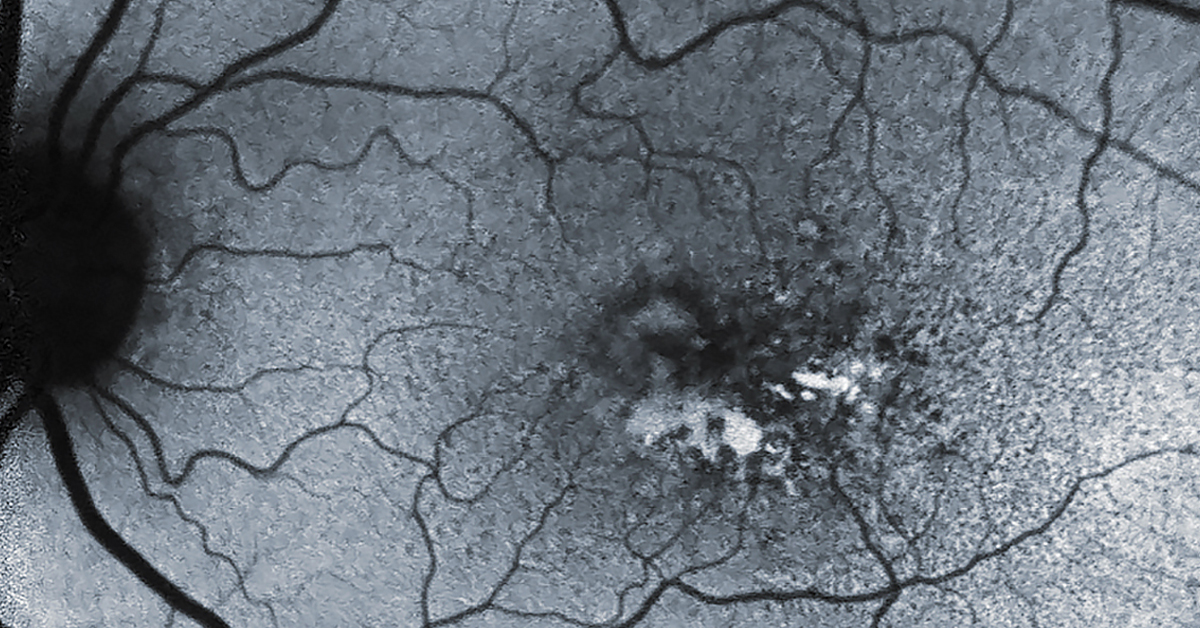
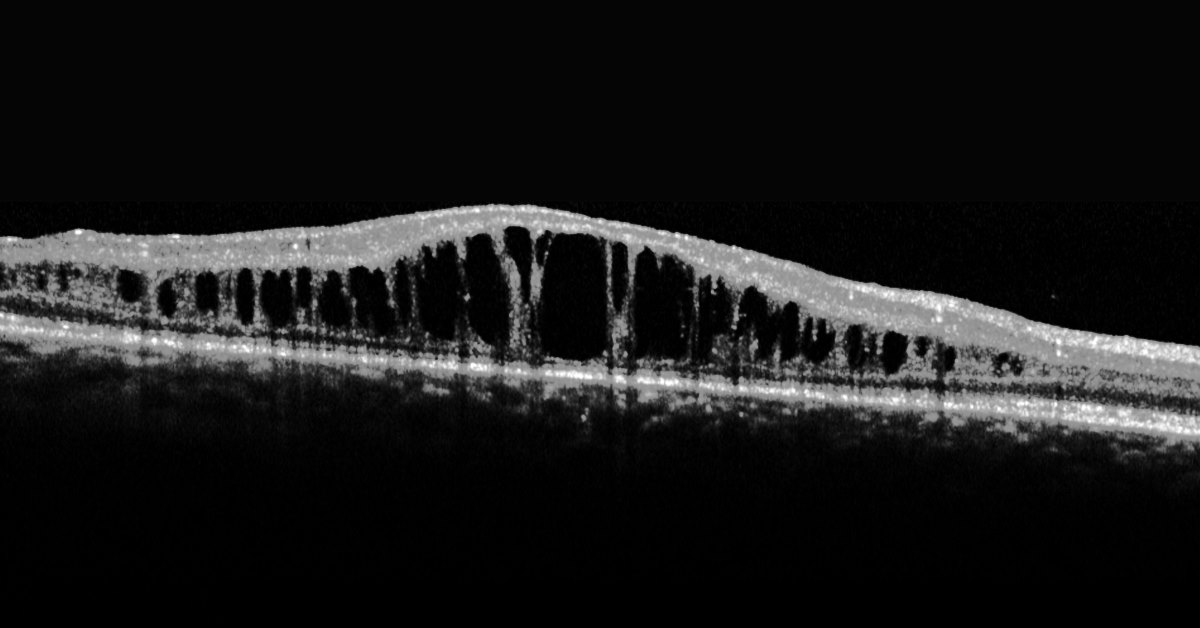
Retinoschisis is a rare inherited or acquired condition where the Retina separates into two layers resulting in progressive vision loss. When the Retina splits, tiny cysts form between the layers and can damage nerves, and preventing light signals from reaching your brain, which can make vision blurry. There are two forms of this condition, Juvenile X-Linked (XJR), and Degenerative or Senile Retinoschisis. XJR is a genetic condition caused by a problem with the X chromosome and mainly affects boys and men. The exact cause of Degenerative Retinoschisis isn’t know, but it seems to be related to the natural aging process and typically affects both men and women between the ages of 50 and 80. Although Retinoschisis isn’t a serious condition and can often be treated with glasses, it can increase the risk of Retinal Detachment. Be sure to see your High Country Macula Retinologist for regularly scheduled exams.

Grilling this Labor Day weekend?

Happy Labor Day! Grilling this weekend? Consider adding some colorful veggies to your Labor Day cookout to help boost eye health. EyeCare America has teamed up with celebrity chefs from across the country to create healthy recipes that include foods rich in eye-healthy vitamins and antioxidants. The Feast Your Eyes on This! Summer Cookbook features recipes that everyone will love, and that are also good for your eyes. Download it here, an share it with all your friends! https://bit.ly/32aufeT

Concerns about increased screen time and its effect on children’s vision have parents apprehensive

With many kids returning to school in distance learning environments, concerns about increased screen time and its effect on children’s vision have parents apprehensive. Headaches, blurry vision, and dry, tired eyes are often symptoms of not blinking enough while using digital devices, and focusing at the same distance for long periods of time causes vision to blur temporarily. The good news is most symptoms can be avoided by taking a few simple steps. To help parents and their kids, the American Academy of Ophthalmology has prepared a Back-to-Online School checklist to help prevent digital eyestrain. Learn more at https://bit.ly/31Ersuh, and be sure to share with your friends with school-age kids and grandkids.


September is Healthy Aging Month

September is Healthy Aging Month. One in six Americans age 65 and older have a vision impairment that can’t be corrected with glasses or contact lenses. The risk of eye disease also increases with age, yet many older adults neglect to see an ophthalmologist for care. To bring attention to taking care of our eyes as we age, the National Eye Health Education Program (NEHEP) helps raise awareness about eye health among older adults and lets them know how they can protect their vision. Learn more at https://bit.ly/2ELEo8w, and be sure to share with your friends and loved ones.