

The sun’s ultraviolet rays pose a serious threat to your eyes

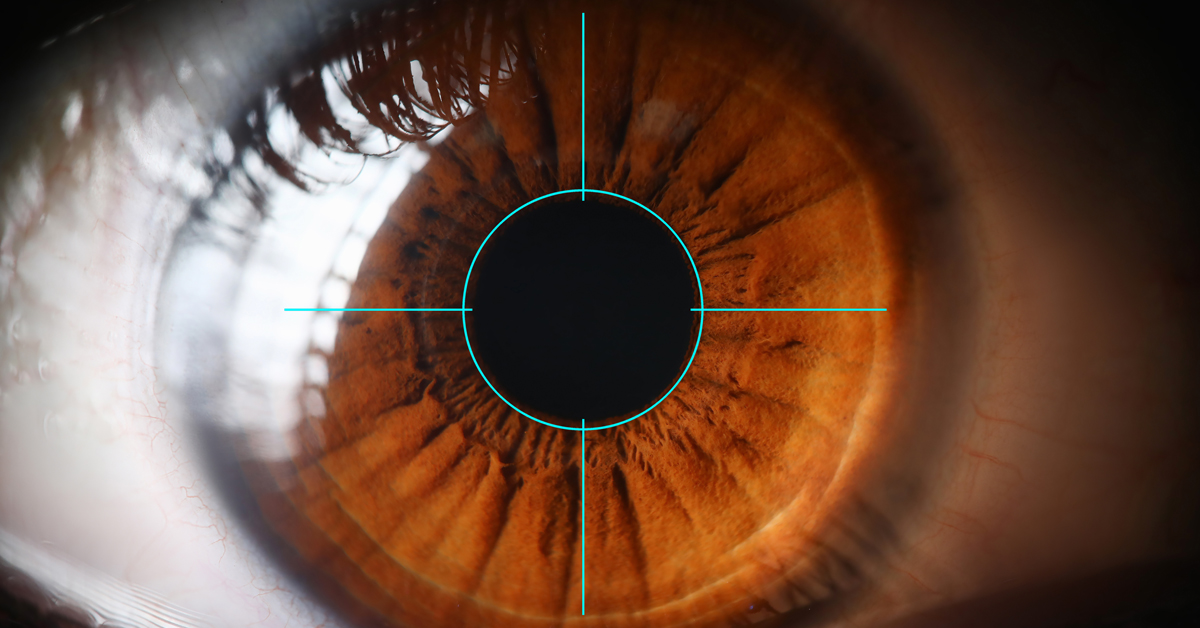
When most people think about damage from the sun, they worry about their skin. But the sun’s ultraviolet (UV) rays also pose a serious threat to your eyes. The Macula, the central area of the Retina at the back of the eye is particularly sensitive to ultraviolet radiation. If you imagine a target in the center of the Retina behind the pupil, the Macula would be the bulls-eye. When you’re not wearing sunglasses and UV light comes into the eye, it hits the Macula like a laser beam. Although wearing sunglasses can protect your eyes, not all shades are created equal. It’s important that your sunglasses block 99% to 100% of UVA and UVB rays. Learn more about how sunglasses help protect your eyes at https://bit.ly/30RqYPV.
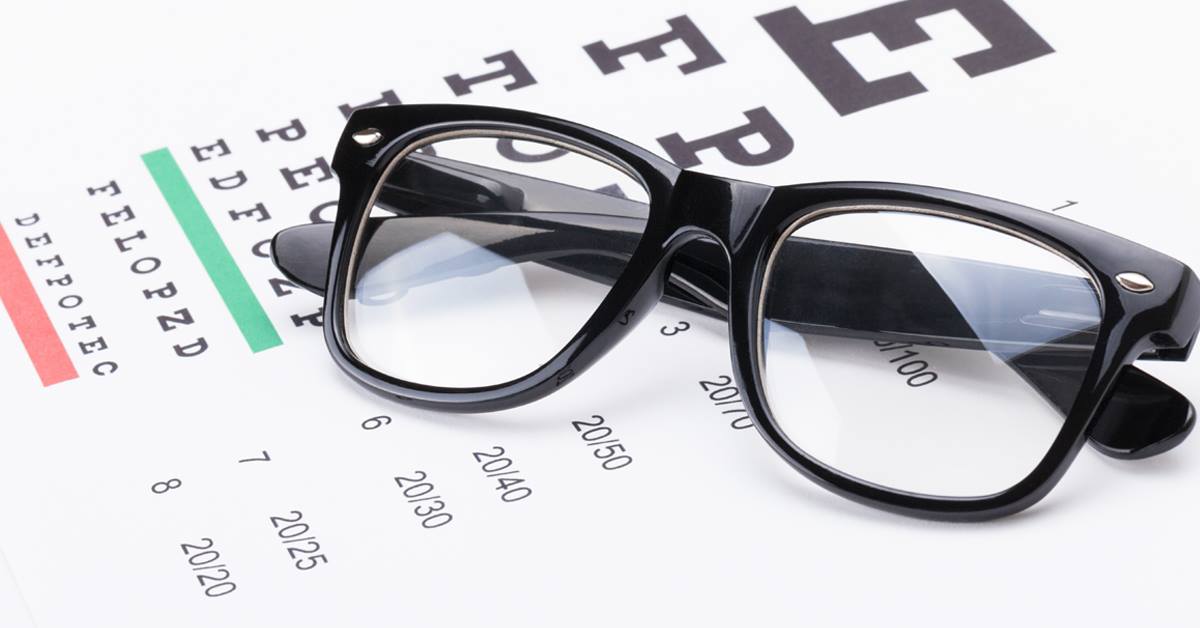

Could eye protection be as effective as face coverings in helping to prevent the spread of the coronavirus?

Could eye protection be as effective as face coverings in helping to prevent the spread of the coronavirus? Although it’s not clear whether someone can become ill from exposure to the coronavirus in their eyes, recent studies have shown that Covid-19 can be present on the surface of the eye, and because the eye has direct communication to the nasal passages via the nasolacrimal, or tear duct, the virus has access to the respiratory system. These new findings add to a body of evidence that the eye can be a source of both transmission and infection in both symptomatic and asymptomatic carriers. As studies undergo further review, experts advise that eye protection that shields against droplets may be prudent. Read the scientific abstract of this study at https://bit.ly/2OZKrsc.

Can Alzheimer’s Disease be detected through the eyes?

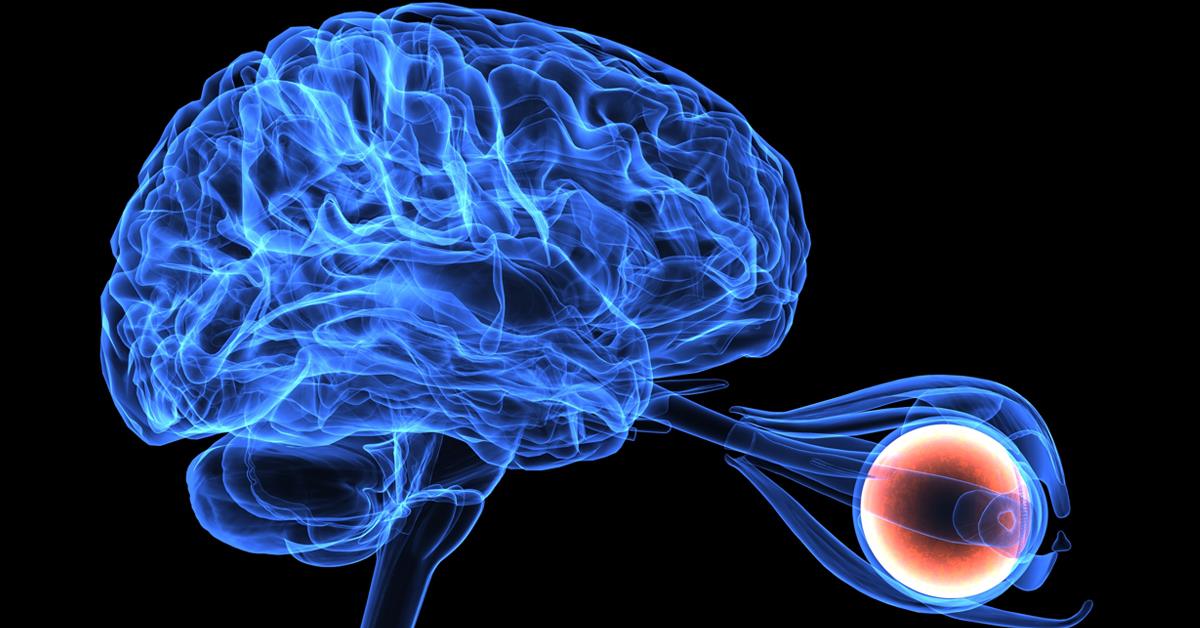
Can Alzheimer’s Disease be detected through the eyes? We don’t have eye exams to help diagnose dementia yet, but there is a clear relationship between brain tissue and eye tissue because the Retina and optic nerve are actually brain tissue that extends outside the brain case. Promising research has shown changes in the Retina in people with Alzheimer’s, and there is hope in the future that eye exams may be able to identify early stage brain disease. Learn more at http://bit.ly/2Nu10P9

During Children’s Eye Health and Safety Month, parents and grandparents are reminded to the thoughtful about how much screen time children are allowed

Sheltering in place during Covid-19 has led to adults and children more time than ever on computers, smartphones, and tablets. During Children’s Eye Health and Safety Month, parents and grandparents are reminded to the thoughtful about how much screen time children are allowed. Extended screen use per day has been associated with digital eye strain, poor sleep quality and obesity, and research from Canada found that preschoolers who spent more than 2 hours of screen time per day had a nearly 8-fold increase of Attention Deficit Hyperactivity Disorder (ADHD). Learn more at https://bit.ly/32UIWU7, and share with your friends with children and grandchildren.

When asked about their biggest fear, the most common response among those diagnosed with Diabetes is losing their eyesight

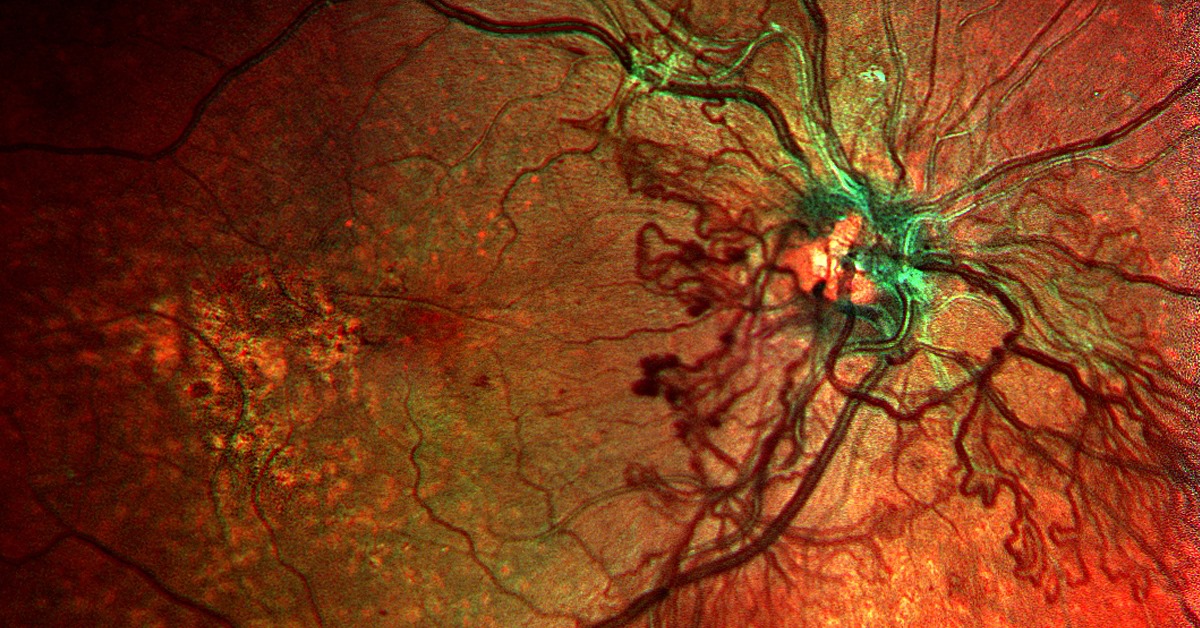
When asked about their biggest fear, the most common response among those diagnosed with Diabetes is losing their eyesight. Poorly controlled blood sugar can lead to a condition called Diabetic Retinopathy, which occurs when abnormal new blood vessels rupture and bleed inside the eye. Although laser treatments can stop the damage, it can’t restore lost vision. It’s recommended that people with Type 1 Diabetes have annual screenings for Diabetic Retinopathy beginning 5 years after the onset of their disease, and those with Type 2 Diabetes should have an eye exam at the time of diagnosis, and at least once a year thereafter. If you suffer from Diabetes make sure you schedule regular exams with your High Country Macula physician.

Does calcium increase or lower the risk of Age-related Macular Degeneration?

Does calcium increase or lower the risk of Age-related Macular Degeneration (AMD)? Choosing between strong bones and healthy eyesight isn’t a choice seniors should have to make, but conflicting studies concerning calcium supplements and AMD, the leading cause of vision loss in adults over 50, has created anxiety for many older Americans. Early clinical evidence suggested that taking calcium supplements may be linked to an increased risk of AMD, but other research suggested that a diet too low in calcium might also be harmful. But rest assured, investigators from the National Institutes of Health recently conducted a secondary analysis of the groundbreaking Age-related Eye Disease Study (AREDS), and found that there is no evidence of risk linking eating a calcium rich diet, or taking calcium supplements, and AMD. Findings also seem to support the theory that calcium may play a protective role in AMD. Learn more at https://bit.ly/30LzDDy, and share with your friends who take calcium supplements.

Eye exams with a smartphone camera may have promise for early detection of Retinal damage

A new study found that eye exams with a smartphone camera may have promise for early detection of Retinal damage in residents of third world countries. It is estimated that 8 in 10 people with diabetes worldwide live in developing and emerging countries, whose health systems aren’t equipped for Retinal screening of diabetics, and who are most at high risk for loss of vision and ultimately blindness. The study involved having medical assistants document changes in a patient’s Retina by filming the back of the eye with a smartphone camera, then sending those images to a trained Ophthalmologist for further diagnosis. The initial study was presented with an award for innovative digital approaches in the fight against diabetes, and has tremendous potential for improving eye care in developing countries. Learn more at https://bit.ly/383OHzl .