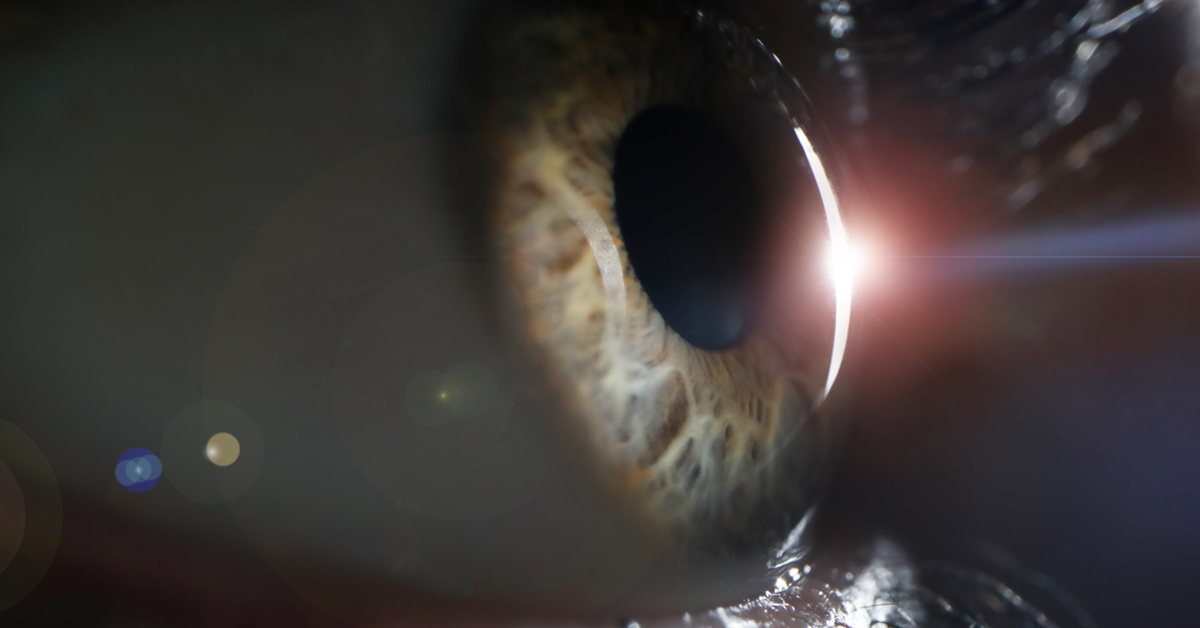




Those who suffer from arthritis are familiar with the swelling and associated pain in joints like the wrists, hands, and feet. But did you know that arthritis can also affect the eyes? Rheumatoid arthritis damages collagen, the connective tissue covering the ends of joint bones, which is also the primary substance that makes up the eye’s sclera and cornea. Most people who suffer from arthritis also suffer from dry eye, and it can also lead to other vision problems like uveitis, when the uvea – the layer of tissue between the Retina and the sclera, including the iris – becomes inflamed. Symptoms of uveitis include eye pain, light sensitivity and blurry vision. Whether or not you have arthritis, finding and treating eye problems early can help prevent vision loss. Learn more about arthritis and your eyes at http://bit.ly/2Z3F67c, and be sure to see your Retinologist at High Country Macula regularly to protect your sight.

Did you know that a poor diet can lead to blindness? Dietary deficiencies are rare in developed world because of easy access to nutritious food, but the story of the 17-year-old boy who became legally blind from eating a diet of only chips, fries, white bread, and processed pork shows that you can be blinded by what you don’t eat. It was concluded that his diet resulted in B12 deficiency; low levels of vitamin D, copper and selenium; high levels of zinc, and severe optic neuropathy, which damaged his optic nerve and stole his sight. Physicians have long known that good nutrition benefits your vision, visit http://bit.ly/2OqBPKw to learn more.

An international research team has taken a further step to solve Age-Related Macular Degeneration (AMD) blindness by developing the first biohybrid artificial Retina, built with silk fibroin, an insoluble protein present in silk with the characteristics of healthy Retina cells. This biohybrid Retina, which integrates with surrounding Retina tissue, is a cell therapy designed to reconstruct a damaged Retina. Though further research is necessary, the promise of artificial Retinas is an important step toward solving the problem of blindness faced by AMD patients. Learn more at http://bit.ly/2JlDmmm

Although beginning a little later than last year, the NBA season is in now full swing, and we’re reminded of the sobering statistics that show that basketball is the leading cause of sports-related eye injuries in the United States. The most common injuries among basketball players include scratched corneas, orbital trauma and fractures, and hyphema, when a contusion causes blood to collect in the front of the eye. Most of these injuries can be prevented by one simple step – wearing protective eyewear. Protective eyewear has become more and more prevalent on NBA courts in recent years – hopefully more and more stars take this precaution that can save their vision and possibly their careers. Stay safe.

Are you one of the thousands who adopted a puppy during the coronavirus pandemic? If you couldn’t resist your canine friends’ “puppy dog eyes,” the reason may lie in evolution. A recent study discovered that dogs have a developed a muscle not found in wolves that allows them to raise their inner eyebrows. And there is evidence that those dogs who use the “eyebrow raise” are more likely to get adopted from shelters. Learn more about this fascinating study at https://nyti.ms/2ELRzqA and share with fellow dog lovers.

September is Healthy Aging Month. One in six Americans age 65 and older have a vision impairment that can’t be corrected with glasses or contact lenses. The risk of eye disease also increases with age, yet many older adults neglect to see an ophthalmologist for care. To bring attention to taking care of our eyes as we age, the National Eye Health Education Program (NEHEP) helps raise awareness about eye health among older adults and lets them know how they can protect their vision. Learn more at https://bit.ly/2ELEo8w, and be sure to share with your friends and loved ones.

August is Children’s Eye Health and Safety Month. As schools debate on when it will be safe for schools to resume in-person classes, we’re reminded how critical good vision and eye health are to learning. Children have very different eye health needs than adults – learn more about eye screening for children at http://bit.ly/2Mh1Qwd

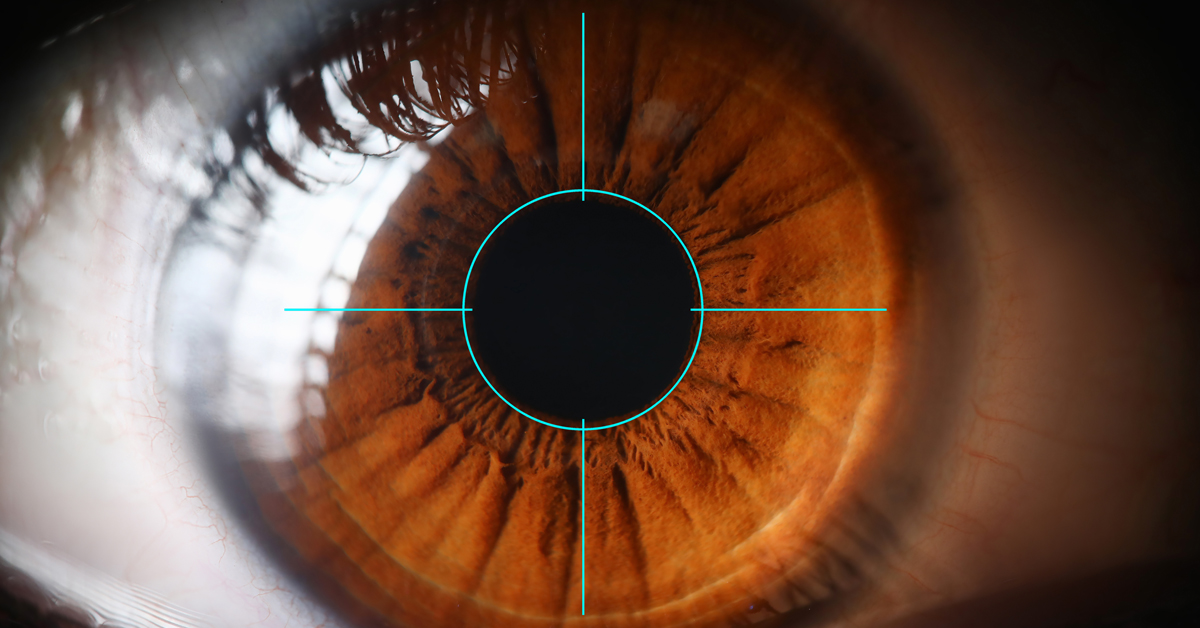
Did you know that about 10,000 years ago, every human on earth had brown eyes? Blue eyes are the result of a mutation in a gene that regulates melanin production in a single common ancestor almost 6,000 years ago. Now only 45% of the U.S. population has brown eyes. Learn more at http://bit.ly/2ERv6Hb and share with your friends who have blue eyes.

A new study found that eye exams with a smartphone camera may have promise for early detection of Retinal damage in residents of third world countries. It is estimated that 8 in 10 people with diabetes worldwide live in developing and emerging countries, whose health systems aren’t equipped for Retinal screening of diabetics, and who are most at high risk for loss of vision and ultimately blindness. The study involved having medical assistants document changes in a patient’s Retina by filming the back of the eye with a smartphone camera, then sending those images to a trained Ophthalmologist for further diagnosis. The initial study was presented with an award for innovative digital approaches in the fight against diabetes, and has tremendous potential for improving eye care in developing countries. Learn more at https://bit.ly/383OHzl .