

Eye disease is more common than you think

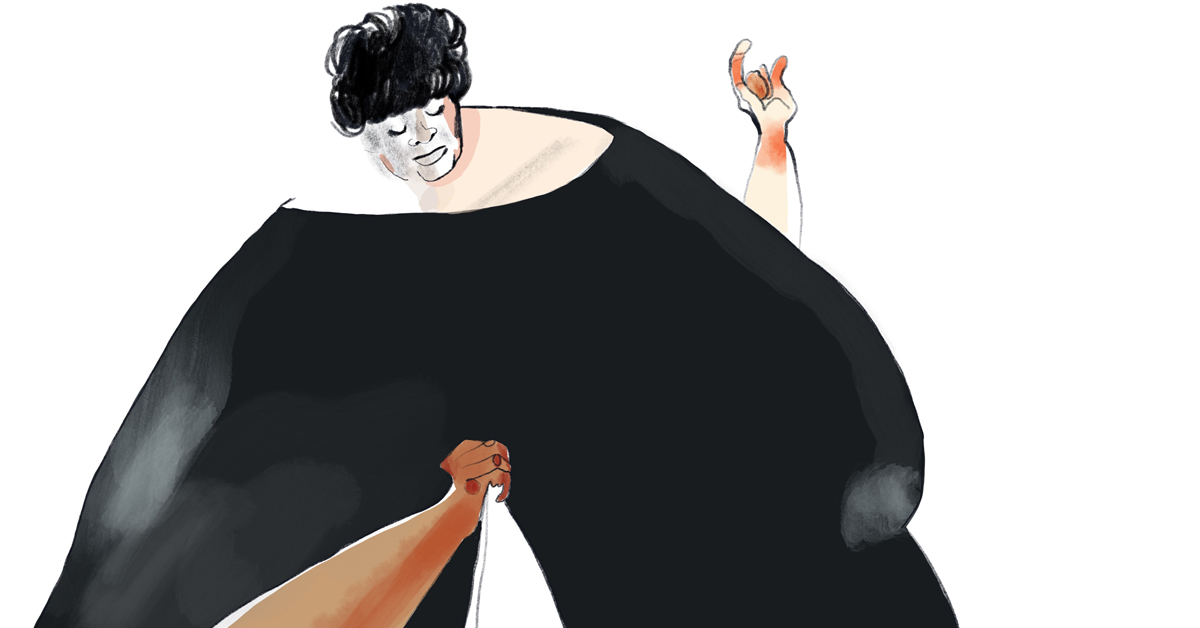
Eye disease is more common than you think. Though discouraging, vision impairment does not have to keep you from living a rich and rewarding life. Some famous people who have achieved success while living with chronic eye conditions include Stevie Wonder, whose blindness is a result of premature Retinopathy, and Ella Fitzgerald, who suffered from Diabetic Retinopathy. Famed author Stephen King, and Dame Judi Dench have Age-related Macular Degeneration, and pop singer Brittany Howard of the band Alabama Shakes is blind in one eye as a result of Retinoblastoma, a type of eye cancer. Learn about other famous actors, musicians and artists with vision impairment at https://bit.ly/2YAqBZZ .
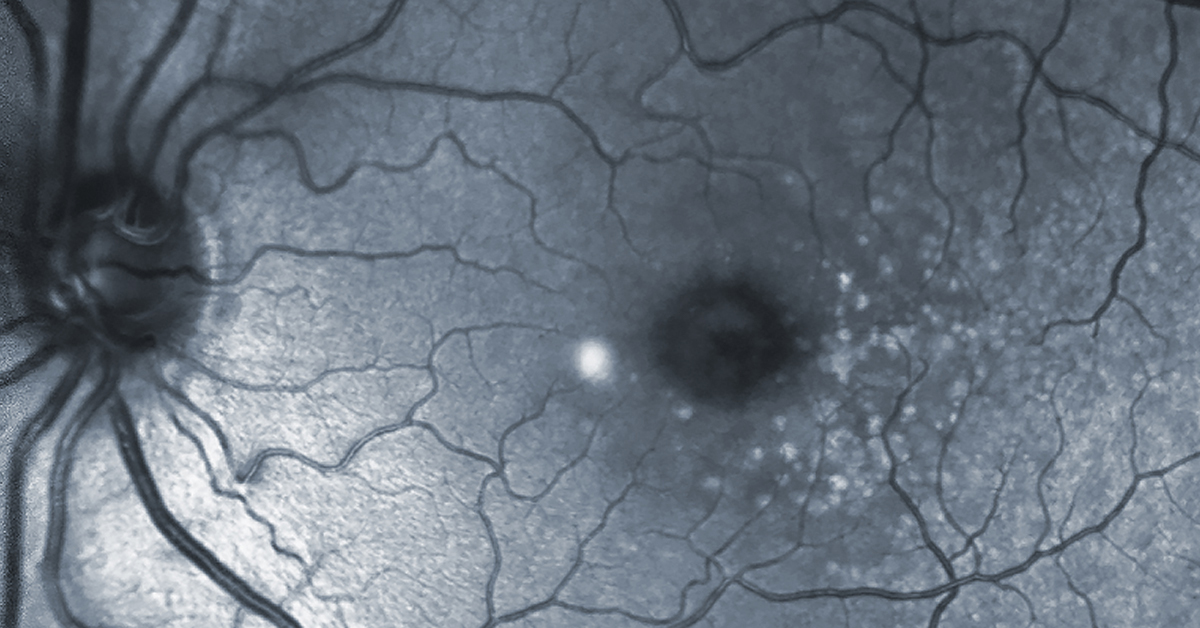

A protein that normally deposits mineralized calcium in tooth enamel may also be responsible for calcium deposits found in the back of the eye of people with Dry AMD

A protein that normally deposits mineralized calcium in tooth enamel may also be responsible for calcium deposits found in the back of the eye of people with Dry Age-Related Macular Degeneration (AMD). In Dry AMD, deposits of lipids, proteins, and chemicals, called drusen, form under the layer of cells that transport nutrients from the blood vessels below, to the light sensing photoreceptors of the Retina above them. As drusen develop, the cell layer and photoreceptors eventually die, leading to blindness. The photoreceptors cannot grow back, so the blindness is permanent. There is not—as of yet—an approved treatment or cure for Dry AMD. Researchers have, however, discovered a calcium-containing mineral called hydroxyapatite (HAP), which is a key component of tooth enamel and bone, in drusen of people with Dry AMD, but not in people with Wet AMD, or with no AMD at all. Further studies investigating how HAP accumulates in drusen may lead to treatments that block its buildup in the eye, which may prevent the progression of the disease. Learn more at https://bit.ly/2X20B92

American Diabetes Association Alert Day®

The last Tuesday of March each year is The last Tuesday of March each year is American Diabetes Association Alert Day®. One in every 3 Americans is at risk for developing Type 2 Diabetes, a serious disease that is the leading cause of vision loss and blindness. But Type 2 diabetes doesn’t have to be permanent – it can be prevented or delayed with healthy lifestyle modifications. Learn more about lowering your risk for diabetes and take the Type 2 Diabetes Risk Test at https://bit.ly/2Jyspdz. One in every 3 Americans is at risk for developing Type 2 Diabetes, a serious disease that is the leading cause of vision loss and blindness. But Type 2 diabetes doesn’t have to be permanent – it can be prevented or delayed with healthy lifestyle modifications. Learn more about lowering your risk for diabetes and take the Type 2 Diabetes Risk Test at https://bit.ly/2Jyspdz

Happy National Pi Day!

Happy National Pi Day! National Pi day is the official celebration of π, or 3.14, the infinite mathematical constant and ratio of a circle’s circumference to its diameter. Although a perfect circle conjures the spherical magnificence of an eye, the human eye is not perfectly round. Learn more about the anatomy of the eye at http://bit.ly/2XtJAD4

March 8 is International Women’s Day

March 8 is International Women’s Day. Today, we’d like to recognize the women of High Country Macula. Our patients’ successful outcomes are attributable to their hard work and dedication, helping patients restore their vision while addressing their feelings, expectations, and physical well-being in a positive and encompassing manner. They truly care, and it shows everyday. Join us in saying Thank You! to these amazing women.

Have you ever wondered how Retinal scanning works?

You’ve probably seen movies where access to a secure area required an eye scan. Have you ever wondered how Retinal scanning works?

A Retinal scan maps the pattern of the blood vessels within a person’s Retina. Each person’s network of Retinal blood vessels is unique and remains stable throughout life. The pattern is so complex that even identical twins don’t have the same blood vessel configuration. The Retina contains as much or more individual data as a fingerprint, but because it is an internal organ, it’s less susceptible to modification. After someone has had their unique blood vessel pattern scanned and stored in a database, future scans can determine whether a person is an exact match. Retinal scans are already in use in the Pentagon and organizations where people need to be identified before they can enter an area. Some states require that truck and bus drivers be mapped by Retinography to prevent bad drivers from holding licenses. Learn more at http://bit.ly/35CVdLr , and share with others who might find Retinal scanning interesting.

Basketball is the leading cause of sports-related eye injuries in the United States

Now that the NBA season is in full swing, we’re reminded of the sobering statistics that show that basketball is the leading cause of sports-related eye injuries in the United States. The most common injuries among basketball player include scratched corneas, orbital trauma and fractures, and hyphema, when a contusion causes blood to collect in the front of the eye. Most of these injuries can be prevented by one simple step – wearing protective eyewear. Protective eyewear has become more and more prevalent on NBA courts in recent years, hopefully more and more stars take this precaution that can save their vision and possibly their careers. Share this with friends and family who are active in contact sports, and leave us a review if this is helpful to you or someone you care about.