

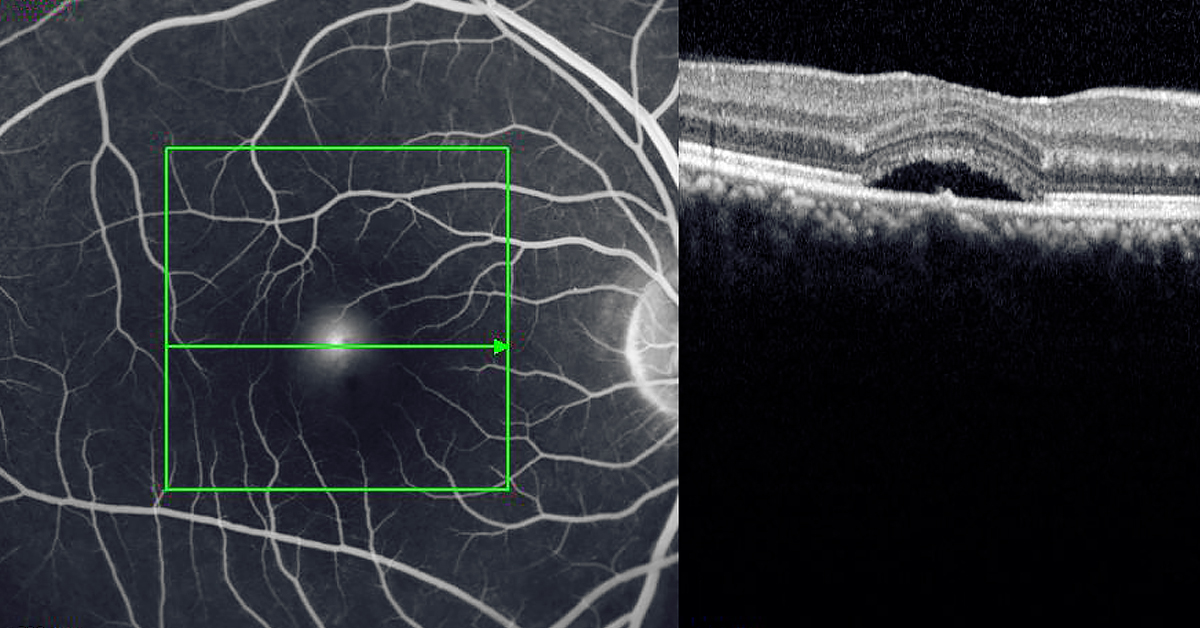
What is Central Serous Chorioretinopathy?

Central Serous Chorioretinopathy (CSCR) is when fluids from the choroid, a layer of tissues under the Retina, swell, creating a blister that can result in a small retinal detachment and visual distortion. Men in their 30s to 50s are more likely to develop CSCR than women, and those under a lot of stress are at particularly higher risk. Although long-term fluid accumulation can lead to permanent vision loss, if detected early, CSCR can be treated so that leaks are sealed and vision is restored. About half of the patients who have suffered from CSCR will have it return, so if you’ve ever experienced CSCR it’s critical to schedule regular follow-up exams with your Retinologist at High Country Macula. Learn more about CSCR at http://bit.ly/2Q5DTbH, and share with others who may be at risk.
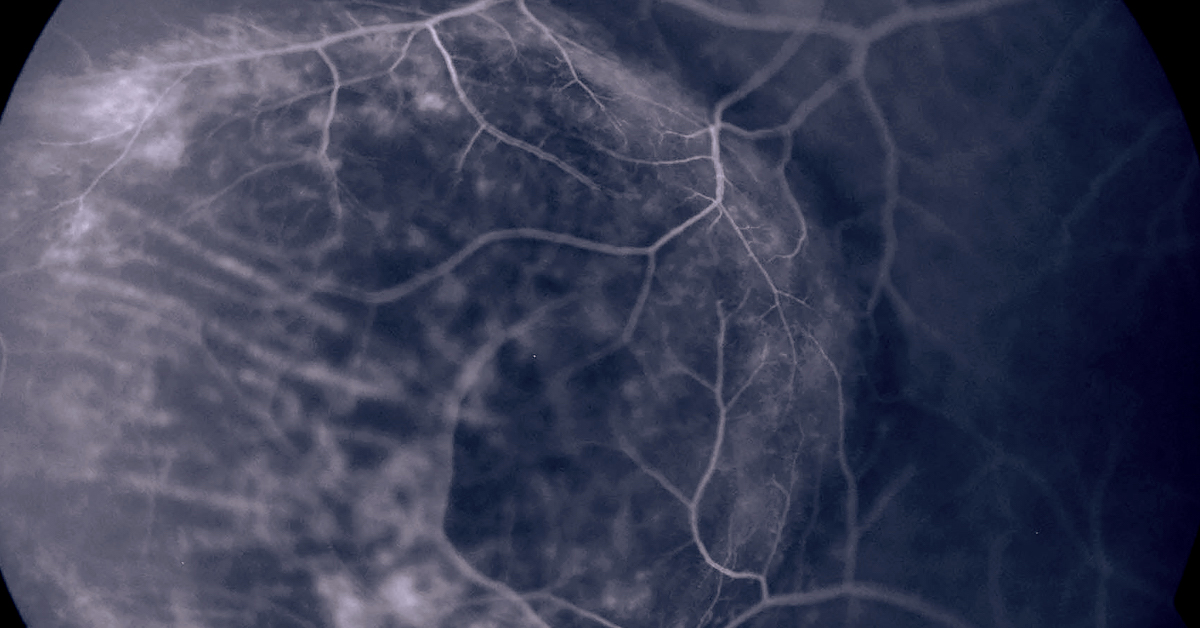
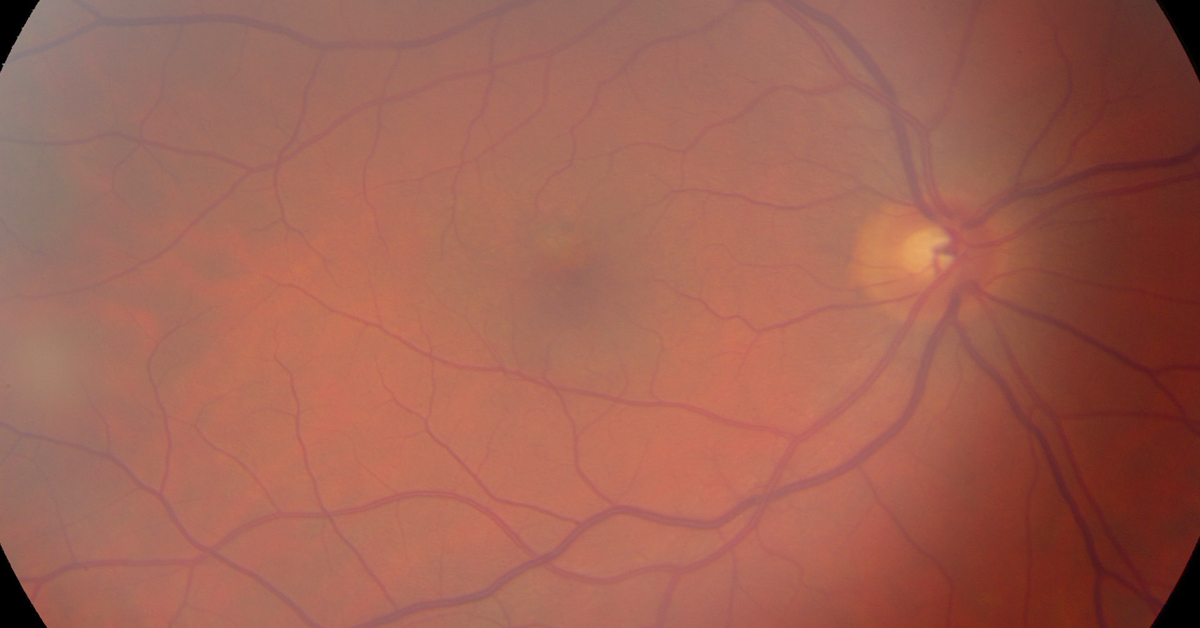
Although eye cancer is rare, the most common form is Choroidal Melanoma

Although eye cancer is rare, the most common form is Choroidal Melanoma, which originates in the Choroid, a dense layer of vessels that supplies blood to the Retina. In its early stages the cancer doesn’t interfere with vision, but later it may cause blurred vision or Retinal Detachment, with symptoms such as flashes of light or the illusion of a veil across the visual field. Regular eye exams are important, as early diagnosis of Choroidal Melanoma may be treated with laser or radiation treatments which may preserve vision and save the eye. If you or a loved one experiences these symptoms do not hesitate to contact your Retinologist at High Country Macula. Share this to help to preserve vision.

Although having red or bloodshot eyes is usually a temporary symptom of irritation, it may also be a sign of Uveitis

Although having red or bloodshot eyes is usually a temporary symptom of irritation, it may also be a sign of Uveitis. Uveitis occurs when the middle layer of the eyeball gets inflamed. This layer, called the Uvea, contains many blood vessels that nourish the eye. Causes of Uveitis can range from infections like shingles or Lyme’s disease, to systemic diseases such as lupus or rheumatoid arthritis. Left untreated, Uveitis can damage vital eye tissue, leading to permanent vision loss. If your eye suddenly becomes red, or your eyes are continually red, contact your Retinologist at High Country Macula for a diagnosis.