



As the weather warms up and people are spending more time out of doors, questions may arise about whether exercise is safe for those with Retinal conditions. While most exercise is safe when the strength of the Retina is uncertain, sports that involve the potential for blows to the head or whiplash, like kickboxing or contact martial arts, should be avoided. When resuming physical activity after Retinal surgery, one should not engage in strenuous exercise, and swimming should be restricted for 2 weeks. Swimming is also restricted immediately after certain injections to treat Age-related Macular Degeneration (AMD). For those who have undergone Retinal surgery with a gas bubble, flying, high altitudes, and scuba diving are off limits. In general, exercise is encouraged in those with Retinal disease. It benefits overall health, and may even improve eye health, as it helps lower important health indicators like high blood pressure and high cholesterol. Learn more about safe exercise tips for those with retinal conditions at https://bit.ly/3nj4d29

Human and artificial intelligence applied to people’s online social media posts identified what people are most looking forward to after a year of sacrifice. While one might think that seeing friends and family would be the most anticipated activity people are looking forward to, it’s not at the top of the list. What people are most looking forward to is pampering. Whether going to the salon or spa, and getting back to regular mani-pedis, beauty therapy tops the list of the activities people are most exited to get back to. Eating out, or “dinner and a movie” were next on the list, followed by a night out at the bar or club. Then travel, and concerts and sporting events. Seeing loved ones, friends, and family rounded out the list, just ahead of going back to work. See the entire list of most anticipated activities at https://bit.ly/32JTswg

May is Healthy Vision Month. This is the perfect time to learn how to protect your eyes and help prevent vision loss in the future. Make your eye health a priority now and for years to come by following these guidelines from the Center for Disease Control and Prevention
http://bit.ly/2PvQwvJ

After a year of disruption to daily routines, people are beginning to resume some of their normal activities. While there were some unexpected perks of being at home, like always being steps from the kitchen or being able to take an afternoon nap if needed, those returning to the office or school may benefit from some healthy lifestyle changes. Some tips that may help the transition include choosing energizing to-go meals and snacks that balance lean protein, high fiber carbs, and healthy fats; reestablishing a decent bedtime routine, and getting outside to enjoy walking, hiking, swimming, and other outdoor activities. Learn more tips for making healthy transitions to your routine at https://bit.ly/3xlp2OV

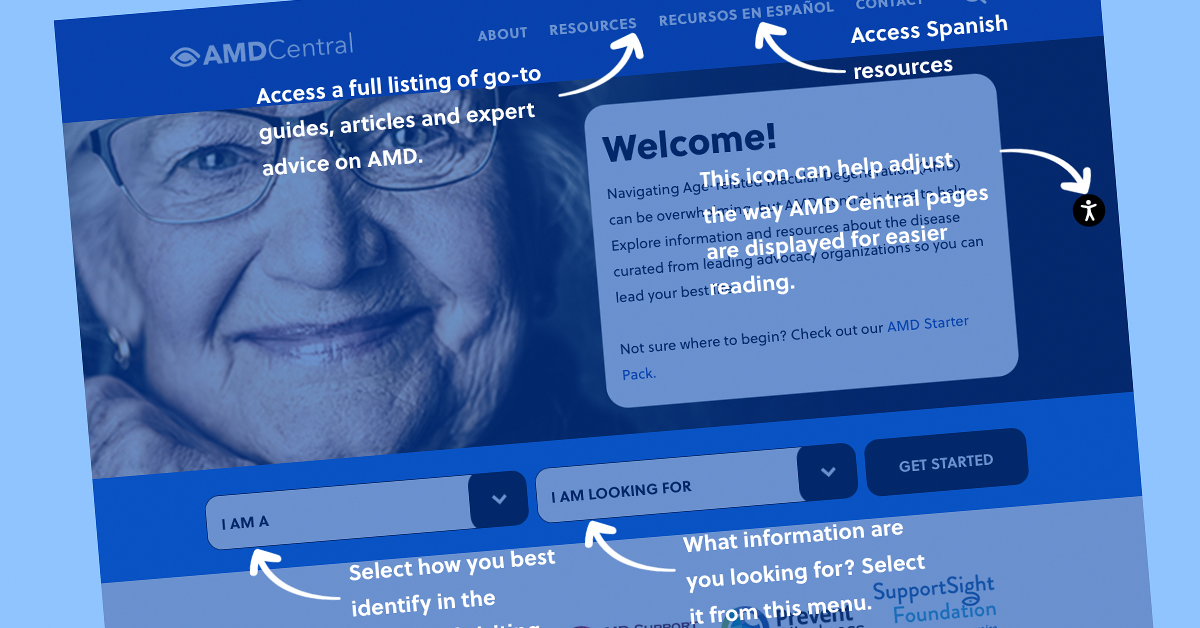
AMDCentral.org is a newly launched website that assembles trusted information, tools, and resources to support the Age-related Macular Degeneration (AMD) patient and caregiver community. AMD is the leading cause of blindness in people over 65, and impacts over 20 million people worldwide. For many suffering AMD, managing life as they lose their sight can be overwhelming, and only made worse by trying to navigate the plethora of AMD content available online. Realizing there was an opportunity to improve this experience, patient advocacy groups created AMDCentral.org as the pre-eminent resource to help patients and caregivers more easily find AMD support in one place, and to help empower patients to take ownership of their eye condition as a catalyst to improve the way they handle their changing lives. Featuring a wide range of materials including clinical details and practical advice for living with low vision, the site also takes accessibility in mind, allowing users to alter display settings on both desktop and mobile, and resources are available both as print and audio files. Learn more at AMDCentral.org, and share with friends and loved ones who suffer from AMD.

As more parents have switched to working from home, and their children spend time in virtual classrooms, concerns have arisen about the potential for harm to normal vision. Both kids and adults can experience tired, dry eyes from concentrating on laptops and tablets for extended periods of time. But this doesn’t mean you need a prescription for computer glasses, or that blue light is damaging your eyes. It means that you need to take more frequent breaks. The simple fact behind headaches, blurred vision, and tired eyes is that we don’t blink as often while using computers and digital devices, leaving eyes dry and irritated. And focusing at the same distance causes muscles around the eye to tire, which can cause headaches. To fix the problem, remember the 20 Rule, and take at least a 20 second break every 20 minutes. Other important factors are ergonomics and posture, and remembering to make sure to spend some time outdoors. Find more information about how to protect one’s vision while spending more time on digital screens at https://bit.ly/2QR0nRG

“Smart” contact lenses may someday be used to monitor patients’ eye health. A team of scientists in South Korea packed incredibly small electronic circuitry, batteries, and an antenna into a soft contact lens, which can continuously screen eye fluids for telltale signs of early eye disease, or illnesses such as Diabetes. Although initial tests in humans and rabbits have been promising, a large scale trial on humans has not yet been conducted. This research holds tremendous potential in innovating the ways we detect and prevent potentially blinding eye diseases in the future. Learn more at http://bit.ly/2GpRt5b

Americans aged 65 years and older have better vision than the same age group nearly a decade ago. A recent study found that in 2008, 8.3% of U.S. residents reported serious vision impairment, while in 2017 that number had decreased to just 6.6%. For comparison’s sake, if 2017 impairment rates had remained at 2008 rates, an additional 848,000 Americans would be suffering serious vision impairment. The decline in vision problems was most pronounced in those 85 and older, who accounted for a 26% decrease in odds of impairment, and 75-84 year-olds who accounted for a 16% decline in impairment. The rate of decline in women was twice that of men, likely because research suggests women are more likely than men to visit eye care professionals. While other reasons for such a dramatic decrease in vision impairment remains a mystery, potential explanations may include advances in medical interventions for vision problems, and better management of health conditions impacting vision such as Diabetes. Learn more about declines in vision impairment amongst seniors at https://bit.ly/3u6GxAg

While most people think that strokes affect only the brain, they can also affect the eye. Central Retinal Artery Occlusion (CRAO) is a rare form of acute stroke that occurs when blood flow is blocked to the main artery of the eye. It typically causes painless, immediate vision loss, and fewer than 20% of those affected regain functional vision in the impacted eye. Because eye strokes are less common, they are often not diagnosed quickly, and often not referred for emergency care. While there is uncertainty in the medical community as to exactly what causes CRAO, and the best way to treat it, CRAO can be a warning sign of future brain strokes and heart attacks. As a potential early indicator for these vascular events, anyone experiencing CRAO should undergo urgent screening and treatment for cardiovascular risk factors. Learn more about Central Retinal Artery Occlusion and its warning signs at https://bit.ly/2QHz780