

Heading out of town for Thanksgiving?

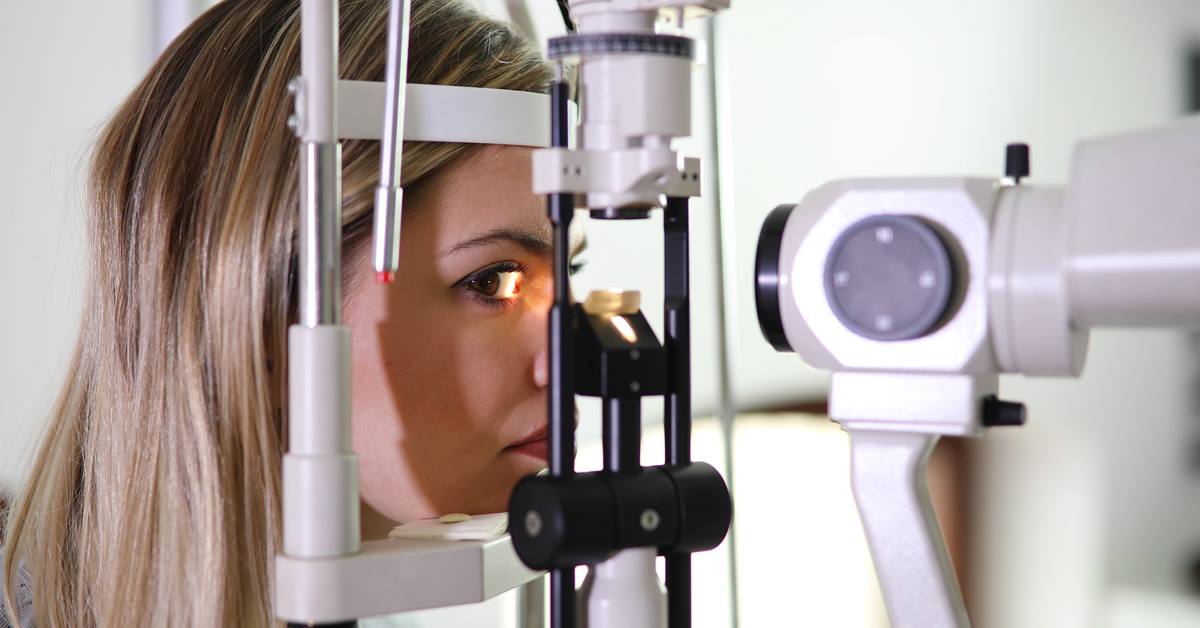
Heading out of town for Thanksgiving? If you’ve had eye surgery, remember to check with your doctor before flying off on any holiday trip. Depending on the type of procedure you’ve had, you shouldn’t fly for at least 2 weeks after surgery. If you have a gas bubble to help heal a retina repair, you won’t be able to travel until the bubble is gone. Be sure to discuss your holiday travel plans with your Retinologist at High Country Macula.

Do you know anyone who vapes? It may be damaging their vision

Do you know anyone who vapes? It may be damaging their vision. With 18 deaths and more than 1,000 cases of a mysterious lung disease linked to vaping, healthcare professionals are now warning that it may also have adverse effects on your eyes. A study published recently in Optometry and Vision Science found moderate to severe cases of dry eye and lower quality tear film among 21 vapers compared with 21 healthy non-vapers. Doctors believe that the vapor from electronic cigarettes is just as dangerous to your eyes as the smoke from regular cigarettes, which have been shown to heighten the risk of a number of eye conditions, including Age-related Macular Degeneration and Diabetic Retinopathy. Learn more at http://bit.ly/2JwISj2 and share with anyone you know who vapes. Please leave us a review if this is helpful to you or someone you care about.

Low Vision is the term used to describe significant visual impairment that can’t be corrected with eyeglasses, contact lenses, or surgery.

Low Vision is the term used to describe significant visual impairment that can’t be corrected with eyeglasses, contact lenses, or surgery. Age-related Macular Degeneration (AMD) is the primary cause of low vision, although there are many others. If you or a loved one suffers from Low Vision or AMD, you may benefit from tips and tools that help partially-sighted computer users to do the same tasks as fully-sighted people. Learn more at http://bit.ly/2muoq9M , and be sure to share with others who may also suffer from Low Vision.

What’s the difference between an Optometrist and an Ophthalmologist?

People often ask about the difference between an Optometrist and an Ophthalmologist.
Although both are qualified to diagnose a variety of eye diseases and disorders, only Ophthalmologists are trained and qualified to perform eye surgery. An Ophthalmologist is a medical doctor (MD) specializing in eye care. After the completion of four years of undergraduate study, an Ophthalmologist must complete four years of medical school and spend a minimum of four years of Residency, and/or hospital-based training. An Optometrist has a degree of doctor of optometry. After completion of four years of undergraduate study, an Optometrist must attend four years of optometry school. It’s critical to have routine eye exams, not only with your Optometrist, but also with your Ophthalmologist to help you detect many treatable eye disorders and diseases, and to help you to preserve your very best vision.

Happy World Sight Day!

Happy World Sight Day! World Sight Day is an event sponsored by the Internal Agency for the Prevention of Blindness and observed each year on the second Thursday in October. It’s meant to draw attention to blindness and vision impairment across the globe. 36 million people worldwide are considered blind, but it’s estimated that 75% of sight loss can be preserved or restored with proper care and treatment. World Sight Day recognizes the importance of proper eye health, and serves as a reminder that you and your family should receive comprehensive eye exams annually. Learn more about World Sight Day at http://bit.ly/2OPVQca

Insurance policies can be quite complex and coverages can vary, greatly

Insurance policies can be quite complex and coverages can vary, greatly. With deductibles, copays, medication tiers, and coverage limitations, disappointments can happen. We suggest reviewing your policies periodically, so that you better understand your coverages, and limit the possibility of any surprises. If you are confused about your coverages, simply reach-out and ask us for help. We have staff members who are able to assist you.

Could a fish hold the secret to curing damaged Retinas in humans?

Could a fish hold the secret to curing damaged Retinas in humans? Currently, there are few effective treatments for diseases such as Age-related Macular Degeneration (AMD), the most common cause of blindness in millions of Americans over age 55. Mammals can’t regenerate retinal neurons that are damaged by disease, but in the tiny zebrafish, which is widely used as a “model organism” in biological research, retinal damage triggers a spontaneous regenerative response that restores both retinal structure and function. Since the cells and structure of the Retina are similar among vertebrates, understanding how zebrafish regenerate damaged retinas could lead to new ways to regenerate retinas in people. Learn more, and share this fascinating study from http://bit.ly/2kUlov1 with your friends.

Do you suffer from itching, burning eyes during the Fall?

Do you suffer from itching, burning eyes during the Fall? If so, you’re not alone. More than 35 million people in the U.S. are affected by seasonal allergies. Most Fall eye allergies are caused by ragweed and other pollens, or by mold spores. If you’re sensitive to Fall allergies, some precautions you can take are to stay indoors during early morning hours and to avoid yard chores that can stir up mold and pollen. Don’t hesitate to contact your Retinologist at High Country Macula if you’re experiencing Fall eye allergies.