
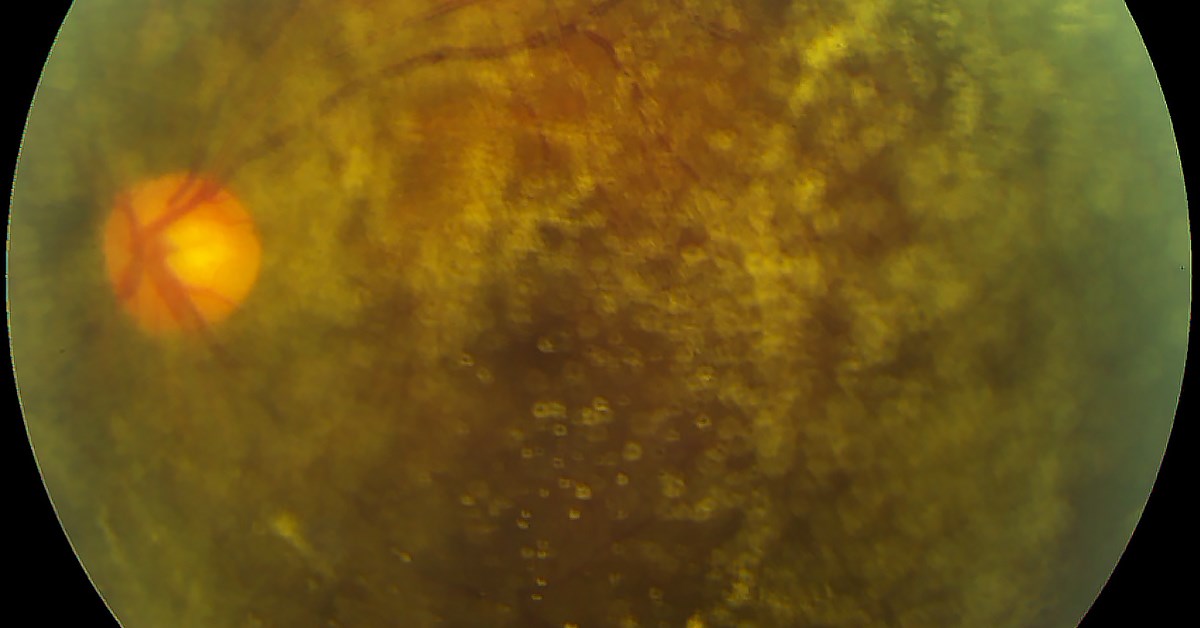
Does the appearance of new floaters qualify as an emergency?

Does the appearance of new floaters qualify as an emergency?
Yes!
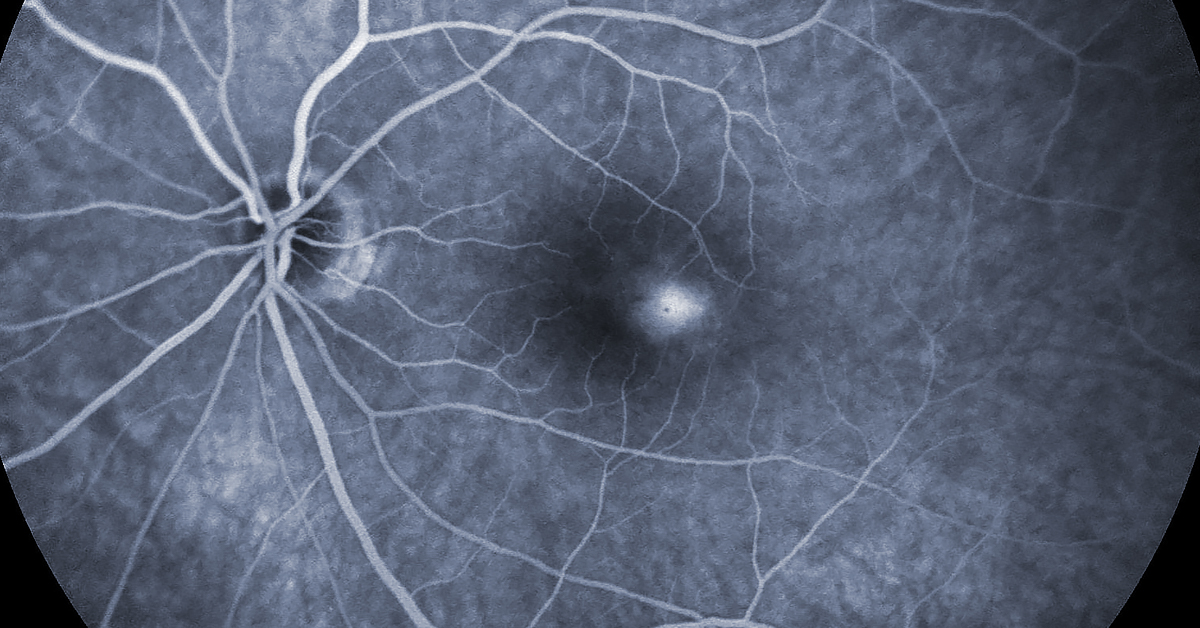
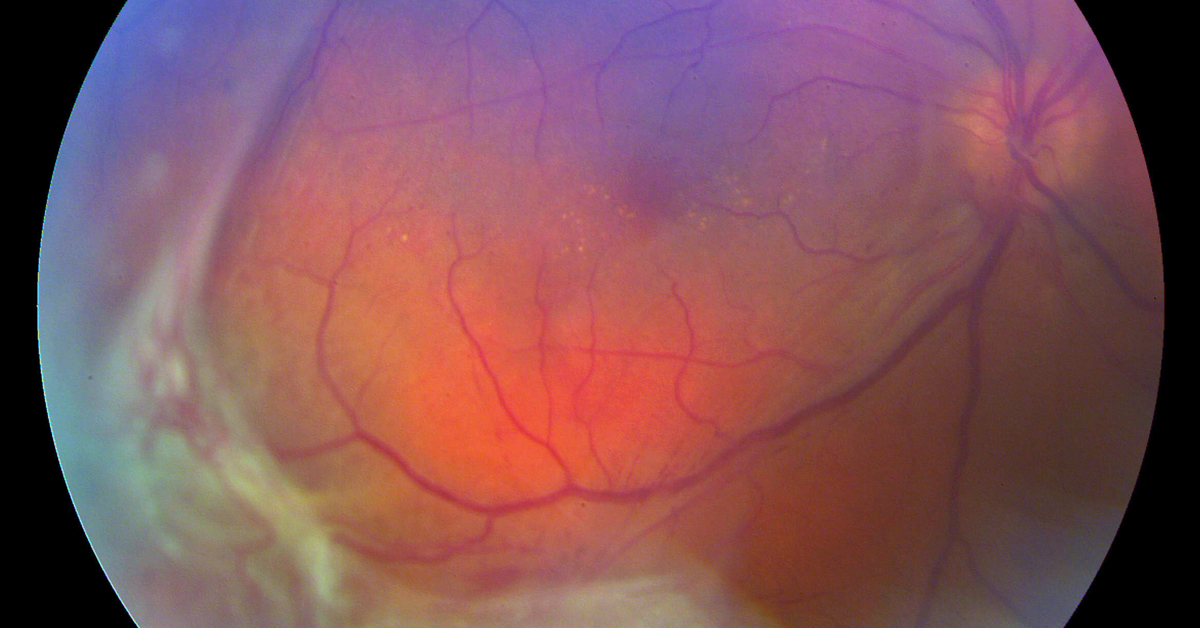
While most floaters are harmless and not a threat to your vision, new floaters may be a sign of a serious problem such as a Retinal Tear or a Retinal Detachment. If you experience floaters that are darker than normal, there are significantly more of them, or if you see flashing lights and notice a loss of peripheral vision, these symptoms may be signs of a more serious problem requiring evaluation. If this is the case, contact your Retinologist at High Country Macula immediately. We can discuss your symptoms to determine if an emergency exam is necessary. We remain committed to performing the essential care to help you preserve your sight.

April is Women’s Eye Health and Safety Awareness Month

April is Women’s Eye Health and Safety Awareness Month. With Women’s History Month behind us and Mother’s Day right around the corner, Prevent Blindness reminds women to take time to care for their eyesight. In an effort to create awareness of eye diseases that women are more prone to than men, including Age-related Macular Degeneration, the organization dedicates this month to educating women about eye care issues, and provides resources and recommendations about the steps one can take to help stop vision loss. Learn more about Women’s Eye Health and Safety Month at https://bit.ly/39n95xm

Some patients have expressed concerns about risk in traveling to their necessary appointments

While we continue in our rigorous adherence to protocols for safely accommodating those who may be at high-risk for COVID-19, some patients have expressed concerns about potential risk in traveling to their necessary appointments. If you have a friend, neighbor, or family member who can drive you, and you trust has been extra careful with their own exposure, this would be a better option than public transportation or ride-share. Don’t be embarrassed or shy in asking about their potential exposure, and what measures they’ve taken to stay isolated, or in asking them to wear a mask. If you have to travel on public transportation take along Lysol, bleach or alcohol wipes to wipe down areas within arm’s reach of where you are sitting or standing. Again, this does not take the place of washing your hands frequently while in public but it will make your immediate public spaces safer for you and others. Your health, and the health of our patients and staff during this difficult time remains our ultimate concern.

Potential new treatments offer hope for those suffering AMD

While there is no cure for Age-Related Macular Degeneration (AMD), the leading cause of blindness in seniors, there are potential new treatments that offer hope that this sight threatening disease may be slowed, or perhaps stopped or reversed. For more than a decade, Ophthalmologists’ only options have been to treat Wet AMD with monthly injections of an Anti-VEGF drug that blocks damaging proteins, and for Dry AMD, with a special formulation of antioxidant vitamins. But revolutionary new research suggests a future with more ways to protect people from blindness due to AMD. Developments in Wet AMD treatment include a tiny refillable reservoir smaller than a grain of rice that is surgically implanted into the wall of the eye under the eyelid that continuously releases the Anti-VEGF drug, and a gene therapy that helps to produce its own Anti-VEGF medicine. New Dry AMD treatments include drugs that target a part of the immune system identified as a culprit in Dry AMD, as well as the replacement of dying Retinal cells through stem cell transplants. Learn about these, and other revolutionary new treatments for AMD at http://bit.ly/3pKi68V

Will getting the Covid-19 vaccine affect people’s vision?

Will getting the Covid-19 vaccine affect people’s vision? We’re happy to report there is no evidence at this time to suggest that widespread side effects from these vaccines are related to vision. While Covid-19 vaccines have not yet caused vision-related side effects, vaccines for other conditions have been linked to vision. The seasonal flu vaccine, the Measles Mumps Rubella (MMR) vaccine, and the chickenpox vaccine have all been known to cause mild symptoms like eye redness and inflammation, and the shingles vaccine can actually prevent vision problems that can arise as a result of contracting the disease. While some vaccines may be linked to mild side effects related to vision, experts maintain that the benefit of being vaccinated against Covid-19 outweighs any potential side effect. Learn more at http://bit.ly/3brJy6r

A new drug may make it possible to eliminate Diabetic Retinopathy with a single injection

The discovery of a new drug may make it possible to eliminate Diabetic Retinopathy with a single injection. Diabetic Retinopathy is the leading cause of blindness in working age adults, and occurs when high blood sugar levels cause damage to blood vessels that feed the Retina in people with diabetes. These damaged blood vessels grow abnormally, and leave scars that obstruct vision. The main challenge in the treatment of Diabetic Retinopathy has been determining which blood vessels are healthy, and which are damaged. This new drug has been effective at identifying a molecular target present in damaged Retinal blood vessels, and selectively eliminating them, allowing the Retina to repair itself. Learn more about this promising breakthrough at http://bit.ly/3sg2jk8

Air pollution is linked to Age-related Macular Degeneration

A long-term study has revealed that air pollution is linked to Age-related Macular Degeneration (AMD), the leading cause of blindness among those over 50 years of age. Known AMD risk factors include older age, smoking, and genetics, but given the fact that ambient air pollution has been associated with heightened risk of heart and respiratory disease, researchers wanted to learn if it might also be linked to AMD. After counting for factors like health condition and lifestyle, studies showed that higher exposure to particulate pollution matter was associated with an 8% higher risk of AMD. The study also showed a direct relationship between air pollution and Retinal layer thickness, which indicates that air pollution may make Retinal cells vulnerable to other vision risks in addition to AMD. Learn more about the links between air pollution and progressive and irreversible sight loss at http://bit.ly/3iZ1fNV

Alcohol-based hand sanitizer is harming children’s eyes

Alcohol-based hand sanitizer is harming children’s eyes. A recent study by a Paris children’s hospital reported a sevenfold increase in accidental eye injuries to kids under the age of 18 – increased exposure to public hand sanitizers is suspected as the primary cause. Hand sanitizers consist mainly of isopropyl alcohol, which is toxic to delicate structures like the eye. The increase in sanitizer-related eye injuries in children is most likely due to the increased availability of public hand sanitizer dispensers, and the fact that they are typically placed at children’s eye level. Children who use the sanitizer, often without their parent’s knowledge, then rub their eyes before the alcohol has evaporated. Although exposure to the alcohol in sanitizer can lead to blindness or corneal ulcers, most reported cases have been relatively mild in severity. Learn more about the safe use of hand sanitizer at http://bit.ly/3pz04Y7

Looking forward to some quality time outdoors this winter?

Looking forward to some quality time outdoors this winter? Be sure to take precaution to prevent damage to your Corneas and Retinas. Conditions like snowblindness result from a sunburned cornea due to overexposure to the sun’s UV rays. When hiking, skiing, or anytime you plan to be outdoors for extended periods of time, be sure to wear goggles or glasses that block 100% of the sun’s UV rays. For maximum protection also choose eyewear that are wrap-style or have side shields to protect your eyes from indirect as well as direct sunlight. Learn more at http://bit.ly/2RktUBO, and share with your friends who enjoy the outdoors this time of year.

Medicated drops may help close Macular Holes

Medicated drops may help close Macular Holes, allowing some patients to avoid complicated surgery. A Macular Hole is a small break in the Macula, the central area of the Retina that is responsible for sharp central vision. While 5% to 10% of Macular Holes close on their own, the rest require a Vitrectomy, a surgical procedure that involves removing the gel-like fluid between the Retina and lens, and repairing the hole. Unfortunately, Vitrectomy patients must remain face down for several days and nights after the procedure. As an alternative to surgery, researchers tested a regimen of medicated eye drops that showed promise in helping Macular Holes to close in 2 to 8 weeks, up to 4 times faster than non-surgical closure. Although further research is necessary, this approach is tremendously promising, even if only effective on a small subset of those suffering from a Macular Hole. Learn more about new developments for treating Macular Holes at http://bit.ly/39u8uKT