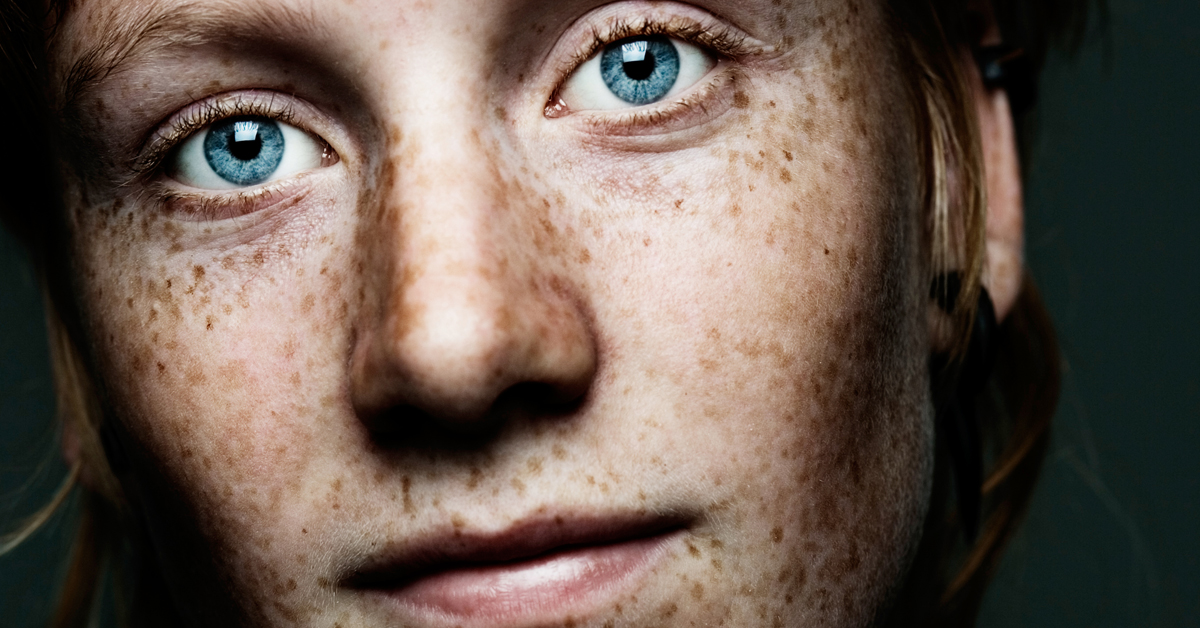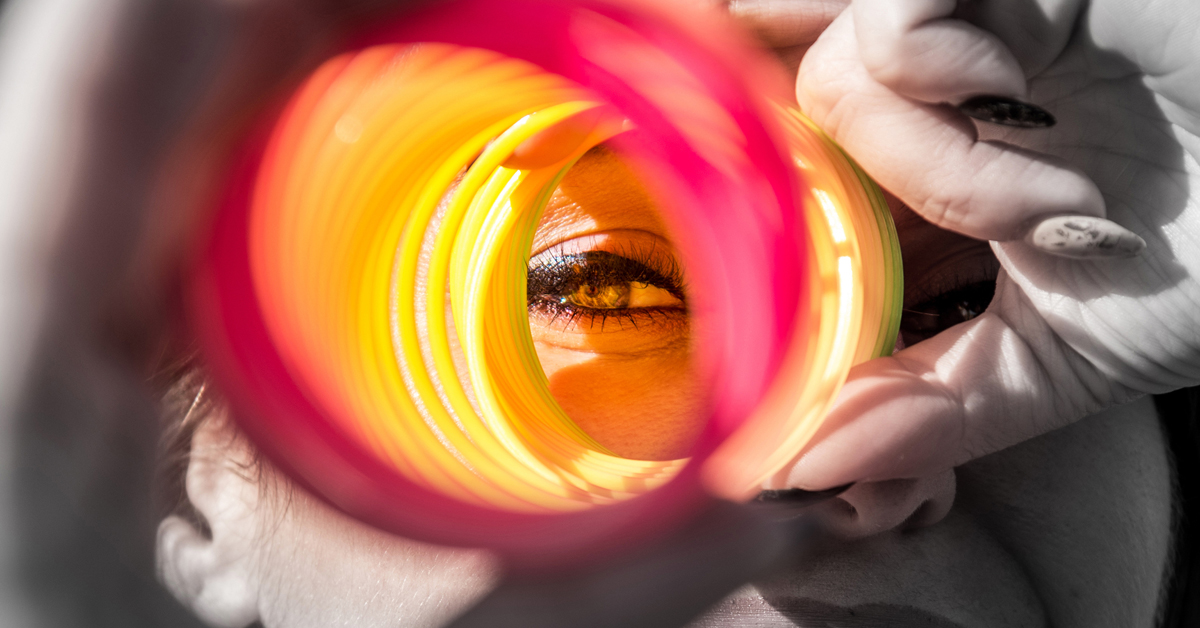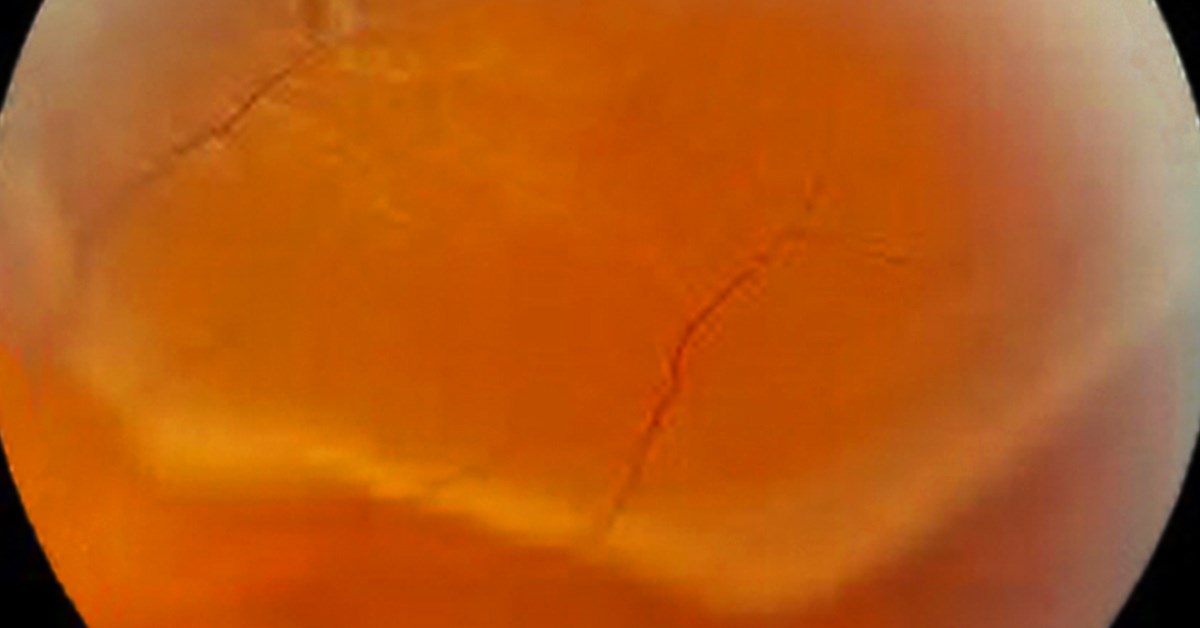




Although freckles in the eye, like freckles on the skin, are common, freckles in the eye may put one at higher risk for Uveal Melanoma, a primary ocular cancer that typically starts in the Choroid, the pigmented tissue filled with blood vessels that provides oxygen and nutrients to the eye. While Uveal and skin melanoma develop from the same pigmentation cells that create melanin and color our skin, Uveal Melanoma is very rare, with approximately 2000 men and 1500 women diagnosed in 2020. Uveal Melanoma can have no symptoms, and is most often identified during a routine eye exam. If not treated, it’s likely to spread to the liver. While many risk factors of Uveal Melanoma are beyond one’s control, Learn more at http://bit.ly/3rsbrmd, and be sure to schedule regular eye exams with your Retinologist at High Country Macula.


As people begin to reschedule their annual eye exams for 2021, some may feel nervous about venturing out to appointments. At High Country Macula, to protect our patients and staff, we ask everyone who enters our care centers to wear masks with two or more layers that cover the nose and mouth, and secure under the chin (please bring your own mask), and we’ll enforce social distancing. We have posted current procedures to our website at http://hcm.mobiussites.com/…/flu-like-illness-protocols. For additional information about what to expect, explore this collection of articles from the American Academy of Ophthalmology’s Coronavirus Guide for Eye Patients at http://bit.ly/34NWaSL. We wish you and every patient the very best of health, free of Covid-19.

It is estimated that 22 million people in the United States suffer from Sleep Apnea. Research shows that Sleep Apnea is a risk for developing Diabetic Retinopathy and Macula Edema, complications of Diabetes that are leading causes of vision loss or blindness in the United States. When people with Diabetes have poor control over their blood sugar levels, the tiny blood vessels at the back of the eyeball can become damaged. Researchers believe that Sleep Apnea may contribute to the development and worsening of these pathologies by increasing insulin resistance, elevating inflammation and raising blood pressure, all of which can damage the blood vessels behind the Retina. Learn more at http://bit.ly/2LHueJG


America’s ongoing opioid epidemic is costing an increasing number of addicts their eyesight. Eye infections caused by bacteria that invade the bloodstream through the use of dirty needles have quadrupled between 2003 and 2016, and the number continues to rise. Pathogens injected in to the bloodstream through IV drug use can cause infection in many different organs, including the brain and heart valves, but the eyes are often the first that are noticeably affected, because by weight, the eye has the highest blood flow of any organ in the body. Once in the eye, infection can spread to the Retina and cause irreparable damage. In the worst cases, an infection can spread outside the eye socket and back into the brain, resulting in a lethal infection. Learn more about the impact of the opioid epidemic on vision at https://bit.ly/2KGVmrG


Low vision can be a significant challenge for those trying to maintain their independence as they age. It can make everyday activities more difficult, increasing reliance on loved ones and caregivers while increasing the risk of falls and depression. In addition to keeping up with eye exams, there are simple adjustments that can be made to lessen dependencies for those with less severe forms of low vision. Using brighter lighting around the home can go a long way towards decreasing the incidence of missteps and falls, and increasing image size, color and contrast in digital accessories can make for a far better low vision experience. Learn more tips to help those with low vision at https://bit.ly/37hBPWr

Have you been seeing “stars?” As we get older, the vitreous, or clear gel that fills our middle eye, can shrink and pull away from the Retina. When this happens you may notice what look like “stars” or flashing lights, which could be a sign of a Detached Retina, a serious sight threatening eye condition. If you ever experience seeing what look like “stars,” please call High Country Macula immediately to rule out possible causes including a Detached Retina, a Retinal Tear, or symptom of another emergency.