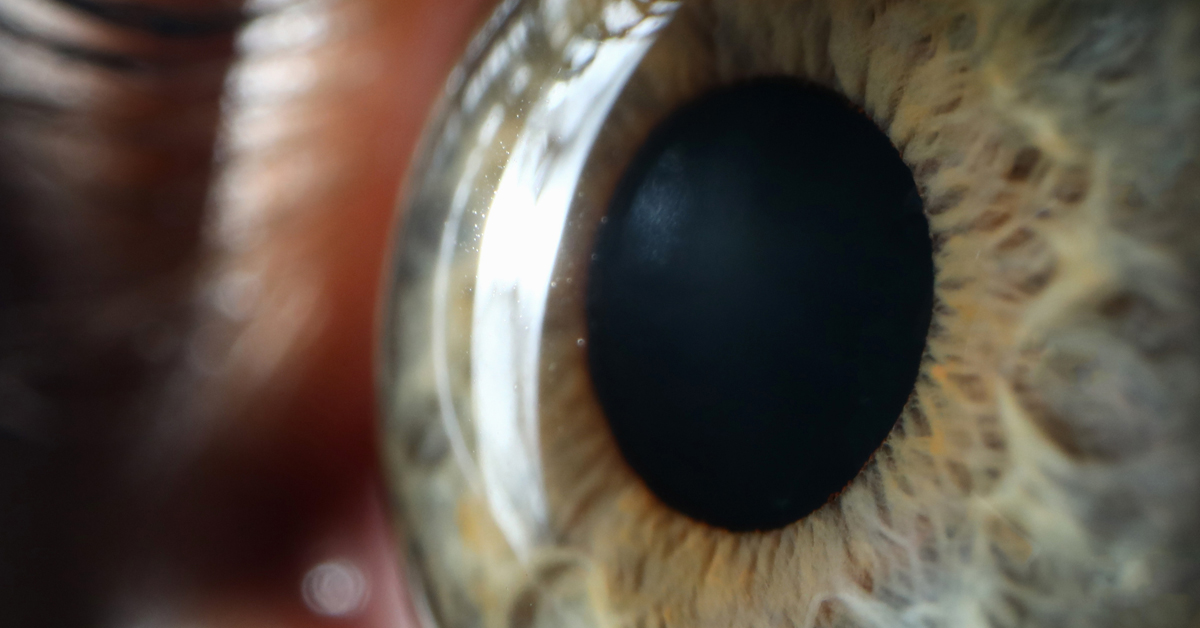

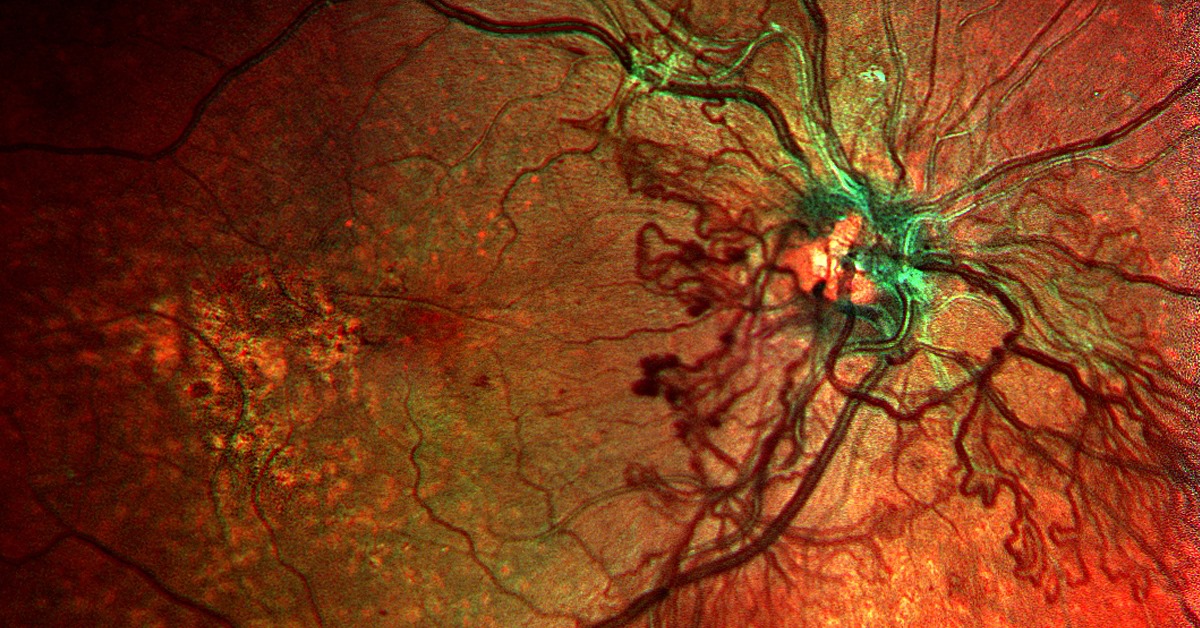
When asked about their biggest fear, the most common response among those diagnosed with Diabetes is losing their eyesight

When asked about their biggest fear, the most common response among those diagnosed with Diabetes is losing their eyesight. Poorly controlled blood sugar can lead to a condition called Diabetic Retinopathy, which occurs when abnormal new blood vessels rupture and bleed inside the eye. Although laser treatments can stop the damage, it can’t restore lost vision. It’s recommended that people with Type 1 Diabetes have annual screenings for Diabetic Retinopathy beginning 5 years after the onset of their disease, and those with Type 2 Diabetes should have an eye exam at the time of diagnosis, and at least once a year thereafter. If you suffer from Diabetes make sure you schedule regular exams with your High Country Macula physician.

Does calcium increase or lower the risk of Age-related Macular Degeneration?

Does calcium increase or lower the risk of Age-related Macular Degeneration (AMD)? Choosing between strong bones and healthy eyesight isn’t a choice seniors should have to make, but conflicting studies concerning calcium supplements and AMD, the leading cause of vision loss in adults over 50, has created anxiety for many older Americans. Early clinical evidence suggested that taking calcium supplements may be linked to an increased risk of AMD, but other research suggested that a diet too low in calcium might also be harmful. But rest assured, investigators from the National Institutes of Health recently conducted a secondary analysis of the groundbreaking Age-related Eye Disease Study (AREDS), and found that there is no evidence of risk linking eating a calcium rich diet, or taking calcium supplements, and AMD. Findings also seem to support the theory that calcium may play a protective role in AMD. Learn more at https://bit.ly/30LzDDy, and share with your friends who take calcium supplements.

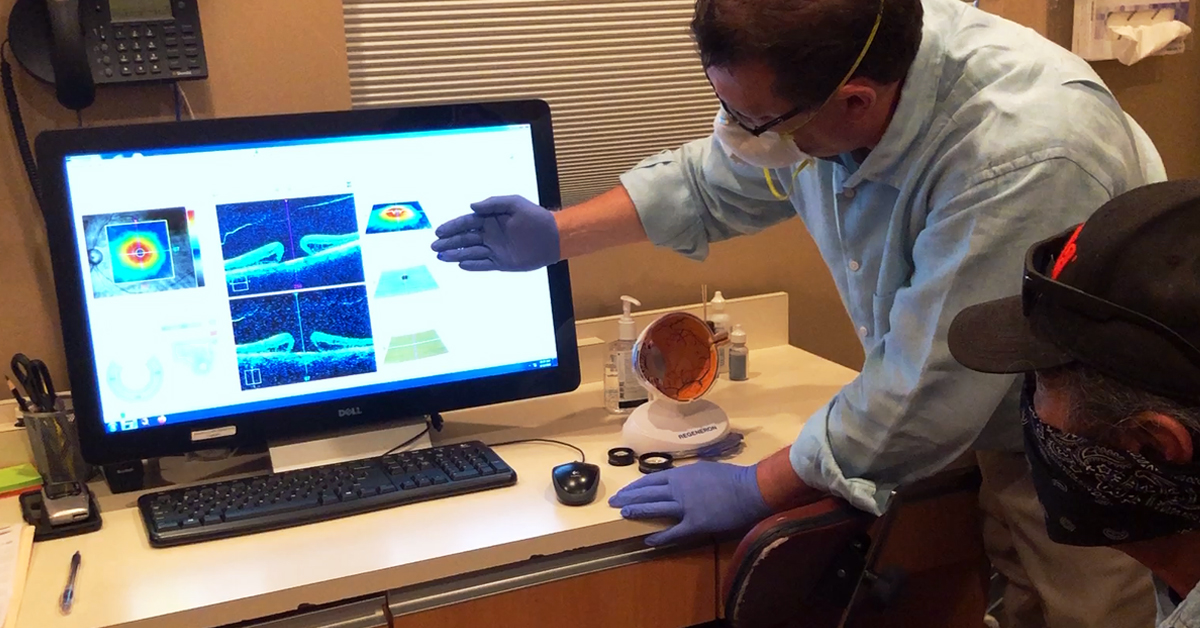
High Country Macula is the only independent practice in New Mexico that features OCT Angiography

High Country Macula is the only independent practice in New Mexico that features OCT Angiography. Although dye-based angiography had been the gold standard diagnostic test for assessing vascular disorders for many years, new OCT technology allows a fast, non-invasive 3D image of blood flow in the Retina in seconds. Investment in the latest technologies is just another example of the HCM commitment to helping our patients optimize their quality of life through compassionate, state-of-the-art Retinal care. Visit highcountrymacula.com to learn more.

Could contact lenses track and treat diabetes?

Could contact lenses track and treat diabetes? New research in animals shows that contact lenses may not only be able to check blood sugar levels, and measure pressure in glaucoma patients, but also deliver drugs directly to the eye for those with diseases related to Diabetic Retinopathy, the leading cause of blindness in adults 25-74. These new smart contact lenses contain a chemical that binds with glucose to trigger an electric current that releases a dose of drug to the eye. Although early studies are promising, further research is required to fully understand how glucose in tears compares to blood glucose for drug delivery. Learn more about new methods for drug delivery through a contact lens at https://bit.ly/2BEZTGE

Are you ready for the 4th of July?

Are you ready for the 4th of July? Although traditional Independence Day celebrations are likely to look much different this year, we’re still reminded that last year an estimated 11,000 people, many bystanders, were sent to the ER for fireworks related injuries – 10% of which were burns to the eye. Please take precautions to protect your eyes if you plan on enjoying fireworks this 4th.

High Country Macula is adjusting our “flu-like illness” patient protocols to be more in-line with current CDC COVID-19 recommendations

In conjunction with the easing of Coronavirus COVID-19 restrictions, High Country Macula is adjusting our “flu-like illness” patient protocols to be more in-line with current CDC COVID-19 recommendations. We’re easing scheduling restrictions to allow all patients to be seen, allowing one family member or guardian to accompany the patient into our care centers. We’ll enforce social distancing in waiting rooms, and we’ll ask everyone to wear masks (please bring your own mask). The purpose of this update is to ease patient burden, protect our patients and staff, and to streamline the evaluation and management for those people with a flu-like illness. We have posted these new procedures to our website at https://bit.ly/3bCYkWq

For information on COVID-19 please visit the following links:
“We Need to Get the Facts Straight” https://bit.ly/3diqTZw
“What You Should Know” https://bit.ly/2BoVfwc

A gene therapy being used to cure a form of blindness may hold the key to a speedy coronavirus vaccine

A gene therapy being used to cure a form of blindness may hold the key to a speedy coronavirus vaccine. The AAVCOVID vaccine has been tested for more than two decades, and is approved by the FDA to treat Luxturna, a form of inherited blindness, and spinal muscular dystrophy. AAVCOVID transforms a fragment of genetic code from the coronavirus (SARS-CoV-2) into the harmless AAV virus. But this time, instead of delivering gene therapy, it delivers instruction to the body to make the “spike” protein that could teach the immune system to recognize and fight off future infections of COVID-19. If studies continue to go well, AAVCOVID vaccine may begin testing in clinical trials this Summer. If regulatory approval is granted, vaccine production could be scaled up quickly to meet global demand, because multiple companies already make the AAVCOVID vaccine. Learn more at https://bit.ly/2Ac8nEi

Spending more time in front of your computer? You may be at risk for Computer Vision Syndrome

Whether you’re working from home or spending more time in front of your computer during “stay at home”, you may be at increased risk for the headaches, red and burning eyes, and stiff neck that are characteristic of Computer Vision Syndrome, or CVS. Learn how to create an ideal computer workstation that reduces your risk of stress, computer eye strain, and potential injury from prolonged computer use at https://bit.ly/2xU8aVy , and be sure to share with friends who may be working from home.

What’s the best way to wear a facemask without fogging your glasses?

What’s the best way to wear a facemask without fogging your glasses? Fogging occurs when warm breath escapes from the top of your mask and lands on the cooler surface of your lenses. Although by no means the biggest inconvenience of the coronavirus pandemic, it can be a nuisance nonetheless. To best prevent fogging, first make sure that your mask fits your face as tightly as possible. Pinch the top to make sure it fits the shape of your nose, and tighten the sides of your mask if it allows. You can also wash your glasses with soap and warm water often, which will keep water droplets from fogging.
Another way to clear things up is to use a tissue to absorb the fog from your breath. Just fold a tissue lengthwise 5 or 6 times to create a strip about a one inch high. Line the tissue strip up with the top of the inside of your mask, then anchor your mask with your chin and pull the mask with tissue in place up beneath your eyes. Adjust the straps over your ears, then put on your glasses to try it out. Please let us know which tips work best for you, and share with your friends who wear glasses. Learn more tips to prevent eyewear from fogging at https://bit.ly/2AcmM3m

Were you cooped up with the kids too long during quarantine?

Were you cooped up with the kids too long during quarantine? It’s time to send them outside to promote healthy eye development! Recent studies show that spending time outdoors may lower the risk of nearsightedness, which is more common today among children and adolescents than it was in the 1970s. One study in particular showed that for each additional hour children spent outdoors per week, their risk of being nearsighted dropped by about two percent. Learn more at: http://bit.ly/2HGAtpw