

March is Workplace Eye Wellness Month

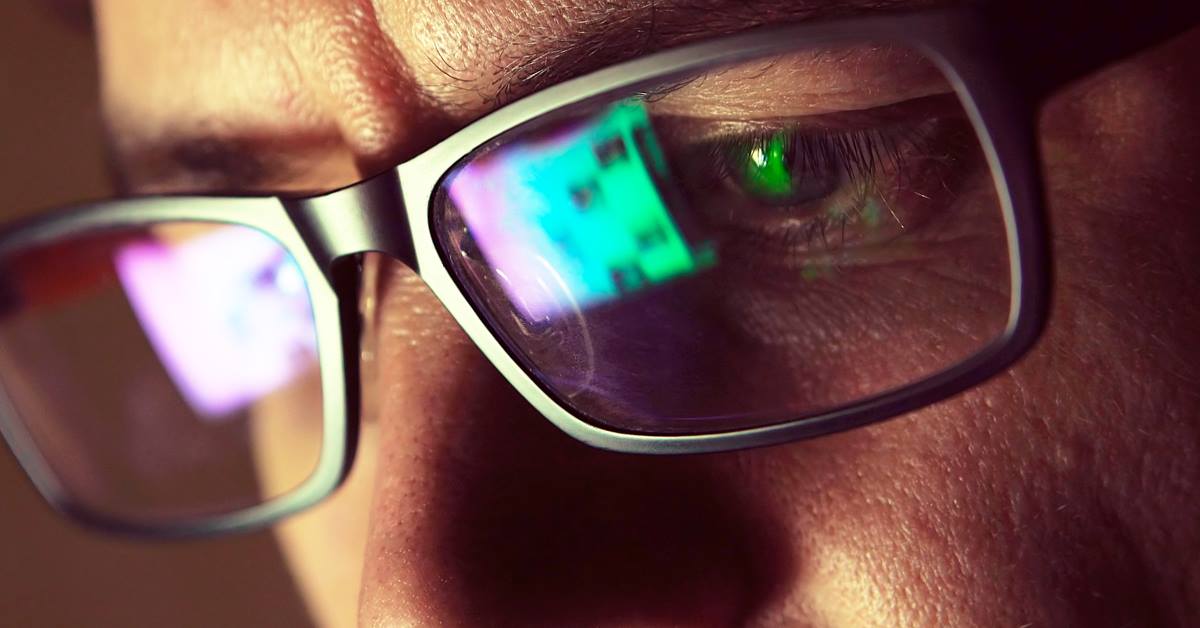
Prevent Blindness recognizes March as Workplace Eye Wellness Month to help educate employers and employees of the dangers of blue light, digital eyestrain, and eye injury protection while at work. While the largest source of blue light is from the sun, there is concern about long-term effects of prolonged exposure to blue light from computer monitors and mobile devices due to our close viewing proximity, and length of time we spend looking at them during the workday. Early research shows that blue light exposure not only causes eyestrain and dry eye, but that it can also lead to damage to retinal cells over time. Learn more about blue light exposure at http://bit.ly/2HQkMi0, and be sure to share with anyone who spends long hours in front of a computer monitor or other digital screens.


Do you have trouble sleeping?

Do you have trouble sleeping? Not sleeping well can lead to more than just tired eyes – insomnia has now been identified as a sign of increased risk of developing AMD, or Age-related Macular Degeneration. The study followed over 15,000 patients aged 55 and older with newly diagnosed insomnia experienced for over 9 years, and found that the group developed AMD at a rate higher than non-insomniacs. Researchers believe that older adults’ decreased levels of melatonin, a hormone produced by the pineal gland that regulates sleep and wakefulness may be the cause. If you or a loved one suffers from insomnia, regular eye exams should be an important part of your overall health regimen. Share with anyone you know who may suffer from insomnia.

“Smart” contact lenses may someday be used to monitor patients’ eye health

“Smart” contact lenses may someday be used to monitor patients’ eye health. A team of scientists in South Korea packed incredibly small electronic circuitry, batteries, and an antenna into a soft contact lens, which can continuously screen eye fluids for telltale signs of early eye disease, or illnesses such as Diabetes. Although initial tests in humans and rabbits have been promising, a large scale trial on humans has not yet been conducted. This research holds tremendous potential in innovating the ways we detect and prevent potentially blinding eye diseases in the future. Learn more at http://bit.ly/2GpRt5b

Just as our physical strength decreases with age, our eyes also exhibit an age-related decline in performance

Just as our physical strength decreases with age, our eyes also exhibit an age-related decline in performance. Although some age-related changes such as presbyopia, or difficulty in focusing on objects up close, are perfectly normal, other conditions like Macular Degeneration and Diabetic Retinopathy have greater potential for negatively impacting our quality of life. A healthy diet and regular eye exams are your best natural defenses against vision loss as you age. Learn more about vision and aging at http://bit.ly/2Q6piv1

A new and unexpected link between Wet and Dry forms of Age-related Macular Degeneration

Researchers have successfully treated Age-related Macular Degeneration (AMD) in mice after finding a new and unexpected link between Wet and Dry forms of the disease, the leading cause of vision loss in people age 60 and older. Dry AMD is more common and currently untreatable, and about 10% of those cases progress to Wet AMD, which is typically treated with frequent injections into the eye. A recent discovery found that the absence of an enzyme – Dicer – led to both forms of AMD. Dicer is lost with age, and leads to an overgrowth of blood vessels in the Retina. Early research used gene therapy to restore Dicer in mice, which successfully treated their AMD. This treatment approach requires further testing and large scale trials before use in humans, but its potential could be life-changing for those suffering from AMD. Learn more at http://bit.ly/30SHmiF

February is Low Vision Awareness Month

February is Low Vision Awareness Month. Low Vision is a condition where prescription eyeglasses, contact lens, medication or surgery cannot correct one’s vision. The National Eye Institute (NEI) of the National Institute of Health reports that over 4 million Americans age 40 and over are visually impaired, and that by the end of the decade this number is projected to soar to over 7 million. If you or a loved one has been diagnosed with Low Vision, talk with your Retinologist at High Country Macula about vision rehabilitation. Download a copy of “Living with Low Vision” from the National Eye Health Education Program (NEHEP) of the NEI, and share with anyone you know who suffers from Low Vision.

Suffer from Arthritis? It can also affect your eyes.

If you suffer from arthritis, you are already familiar with the swelling and associated pain in joints like your wrists, hands, and feet. But did you know that arthritis can also affect your eyes? Rheumatoid arthritis damages collagen, the connective tissue covering the ends of joint bones, which is also the primary substance that makes up the eye’s sclera and cornea. Most people who suffer from arthritis also suffer from dry eye, and it can also lead to other vision problems like uveitis, when the uvea – the layer of tissue between the Retina and the sclera, including the iris – becomes inflamed. Symptoms of uveitis include eye pain, light sensitivity and blurry vision. Whether or not you have arthritis, finding and treating eye problems early can help prevent vision loss. Learn more about arthritis and your eyes at http://bit.ly/2Z3F67c , and be sure to see your Retinologist at High Country Macula regularly to protect your sight.

Have you heard that eating carrots is good for your eyesight? Fish may be even better.

Have you ever heard that eating carrots is good for your eyesight? Fish may be even better.
Results from two U.S. women’s health studies show that eating fish and vitamin D-rich foods may protect against Age-Related Macular Degeneration (AMD), the leading cause of blindness in people over 65. One study found that women who frequently ate fish high in omega-3 fatty acids were significantly less likely to develop AMD, and another study found a 57% decrease in risk of AMD in women who consumed the most vitamin D compared to those who consumed the least. Good sources of omega-3 fatty acids include salmon, trout, and tuna; and top food sources of vitamin D were fish, milk, and fortified cereal. Learn more at http://bit.ly/2EAh3ne and share with your friends and family.

Using the internet to diagnose eye problems can be dangerous to your health

Using the internet to diagnose eye problems can be dangerous to your health. Because most eye conditions and diseases require an in-person examination by an expert, online Ophthalmology-related symptom checkers have inherent limitations. A recent study showed that a popular online symptom checker was correct only 26% of the time, and in 14 of 17 cases made incorrect recommendations about what the patient should do next. Never hesitate to contact your Retinologist at High Country Macula should you ever experience any eye discomfort or distorted vision. Learn more about the study at http://bit.ly/2RgGwGY